Avoiding Damage Claims: What Dealers Should Look For in a Professional Transport Company
For dealerships, damage claims are more than just a logistical inconvenience — they’re a drain on time, money, and customer confidence. When a vehicle arrives with transport-related damage, the dealership must navigate paperwork, delayed retail readiness, repair costs, and dissatisfied buyers. Even minor damage slows inventory flow and directly impacts profitability.
While no transport operation is entirely risk-free, choosing the right transport partner significantly reduces the likelihood of damage and strengthens your operational consistency. Dealerships that focus on selecting reliable, process-oriented carriers often see fewer claims, faster turnaround, and a smoother path from acquisition to lot.
Below is a detailed guide on what every dealer should look for in a professional transport company to minimize damage claims and maximize operational performance.
Why damage prevention matters for dealerships
Transport-related damage has a ripple effect across dealership operations. Even small issues create disruptions in:
- Recon scheduling
- Photography and merchandising
- Online listings
- Sales appointments
- Floorplan timelines
- Customer satisfaction
Every day lost to repairs or claims impacts profitability. Preventing damage is far more cost-effective than resolving it.
The key role of a professional transport company
A transport partner influences vehicle condition long before the truck arrives at your lot. A professional company follows structured processes that reduce risk at every stage of transit:
- Loading and securing
- Route planning
- Driver training
- Documentation
- Communication
- Delivery procedures
Dealers who focus on selecting transport partners with high operational standards experience fewer incidents, fewer delays, and better overall performance.
What Dealers Should Look For in a Professional Transport Company
1. A proven track record of low claim rates
Not all carriers operate with the same safety standards. Dealers should prioritize companies that can demonstrate:
- Consistently low damage frequency
- Strong historical performance
- Documented procedures for claim prevention
- Transparent reporting and operational metrics
Past performance is one of the clearest indicators of how a company will treat your inventory.
2. Experienced, well-trained drivers
Damage prevention starts with the people behind the wheel. Experienced drivers know how to:
- Load different vehicle types safely
- Secure units properly
- Avoid risky shortcuts
- Navigate tight spaces and challenging environments
- Follow safety protocols under pressure
Companies that invest in driver training typically deliver far better outcomes.
3. Structured loading and unloading procedures
Poor loading technique is one of the leading causes of damage claims. A professional transport company will have:
- Standardized loading protocols
- Proper wheel strap systems
- Verified tie-down methods
- Safety checklists for every pickup and delivery
- Procedures for handling low-clearance or wide vehicles
Consistency in loading dramatically reduces preventable damage.
4. Thorough pre-trip and post-trip inspections
A legitimate inspection routine protects both the dealer and the transport company. Dealers should look for companies that conduct:
- Detailed pre-load inspections
- Photo documentation
- VIN verification
- Condition reports with timestamps
- Post-load inspections at delivery
These steps establish accountability and reduce disputes.
5. Real-time communication and tracking visibility
When damage occurs, communication speed matters. But even better, transparency helps prevent issues before they escalate.
Professional carriers offer:
- ETA updates
- Real-time location tracking
- Delay notifications
- Simple communication channels with dispatch
Dealers benefit from knowing exactly where their vehicles are — and that they’re handled with care throughout the journey.
6. Strong dispatch coordination and route planning
Poor route planning leads to last-minute changes, stress on drivers, rushed loading, and riskier driving conditions.
Dealers should prioritize companies that excel in:
- Efficient route optimization
- Predictable scheduling
- Load balancing
- Weather and traffic considerations
- Avoiding unnecessary detours
Good planning means a safer and smoother delivery.
7. Modern, well-maintained equipment
Older or poorly maintained equipment contributes to:
- Tire blowouts
- Hydraulic malfunctions
- Strap failures
- Loading ramp issues
- Unstable platforms
A professional carrier maintains trucks and trailers to modern safety standards, reducing the risk of mechanical-caused damage.
8. Consistent communication at pickup and delivery
Dealers should expect:
- Courtesy calls before arrival
- Coordination with lot managers or team leads
- Smooth handoffs
- Signed delivery documentation
Clear communication ensures nothing is rushed, overlooked, or mishandled.
9. Professional insurance coverage and claims handling
A serious transport partner will always provide:
- Adequate cargo coverage
- Clear policy documentation
- Fast claims processing
- Transparent liability information
Dealers should avoid companies that hesitate to share insurance details or that complicate claims.
10. A partner, not just a vendor
Damage prevention improves drastically when a transport company operates like part of your team, not just a one-off service provider. Dealers benefit from long-term partnerships that include:
- Predictable scheduling
- Familiarity with dealership procedures
- Commitment to high standards
- Quick issue resolution
- Alignment with dealership goals
Companies that view transport as a long-term relationship put more emphasis on quality, care, and reliability.
How dealers can reduce damage even further
Beyond choosing a strong transport partner, dealerships can also take steps to improve outcomes:
- Ensure vehicles are accessible and ready at pickup
- Provide clean, safe loading space
- Share accurate notes about mechanical issues
- Remove loose accessories
- Communicate special handling instructions
When both sides follow structured processes, damage rates drop significantly.
Final thoughts
Damage claims are one of the most disruptive issues in automotive logistics. But with the right transport partner, the risk drops dramatically. Dealers should look for structured processes, trained drivers, transparent communication, and a culture of accountability.
Choosing a professional transport company isn’t just about getting vehicles from point A to B — it’s about protecting your inventory, maintaining operational flow, and delivering a better experience for customers and internal teams.
Reliable Experts in Automotive Transportation
Have any questions or wish to Schedule a pickup today?
Related Posts
FAQs for Car Dealers. Dealer Auto Transport & Car Delivery Services
Every day at CRC Transport, we receive numerous questions from car dealers regarding car delivery dealers and dealership car delivery. To simplify the process and save you time, we have compiled answers to the most frequently asked questions. In this guide, you will find all the key information to make your shipping experience smooth and hassle-free.
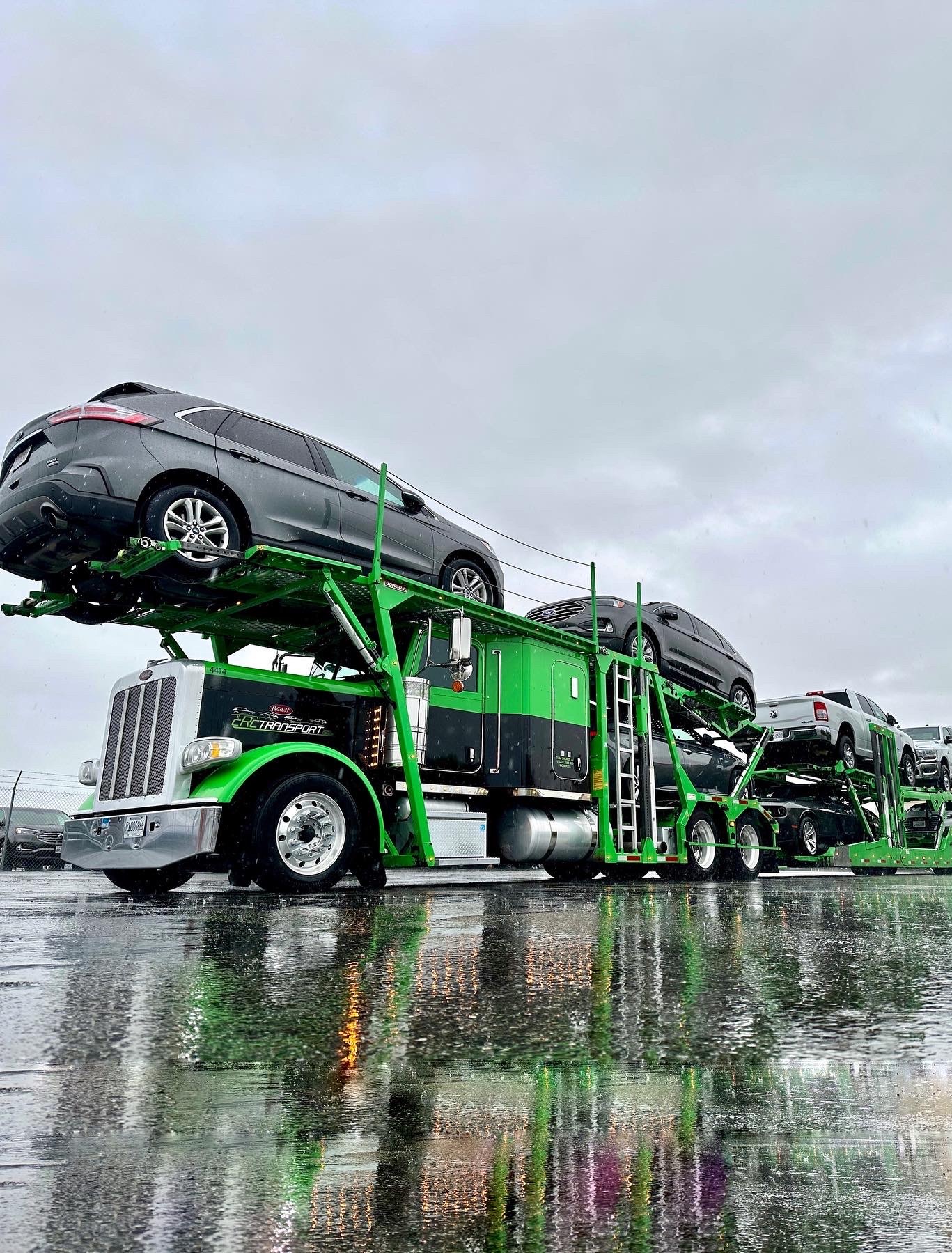
Fleet Expansion and Logistics Scalability
Fleet expansion without logistics scalability creates operational instability.

From Auction to Lot: Enhancing Vehicle Turnover with Smart Transport
For dealerships, time is money – especially when sourcing inventory from auctions. Whether you’re acquiring vehicles from in-state auctions or need to send car from state to state, every day a car isn’t on your lot is a missed sales opportunity.
How to Coordinate Simultaneous Deliveries Across Multiple Dealerships
Coordinating deliveries for multiple dealership locations can be a logistical nightmare – but with smart planning and the right transport company, you can turn complexity into competitive advantage. This post dives into proven strategies to streamline door-to-door transport, leverage volume discounts, and ensure your entire network stays stocked and ready. 1. Centralize Scheduling & Dispatch […]
