

Your Vehicle Transport Quote
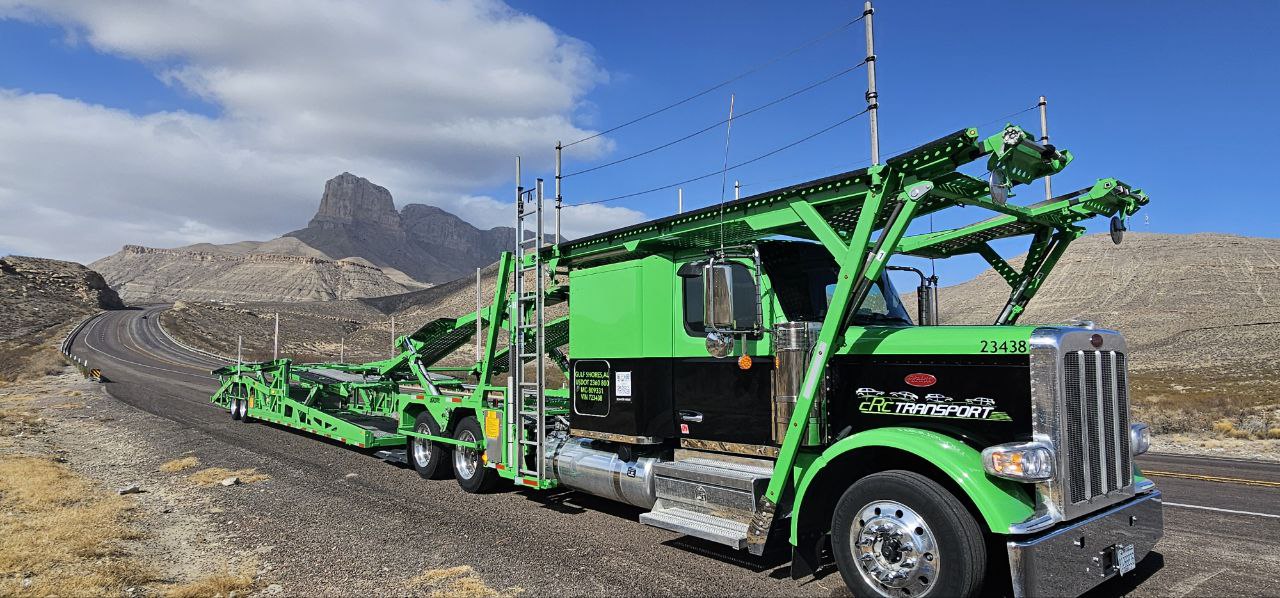
Building Long-Term Carrier Partnerships in Automotive Logistics
Building long-term carrier partnerships in automotive logistics is not about loyalty. It is about stability, scalability, and measurable performance alignment.
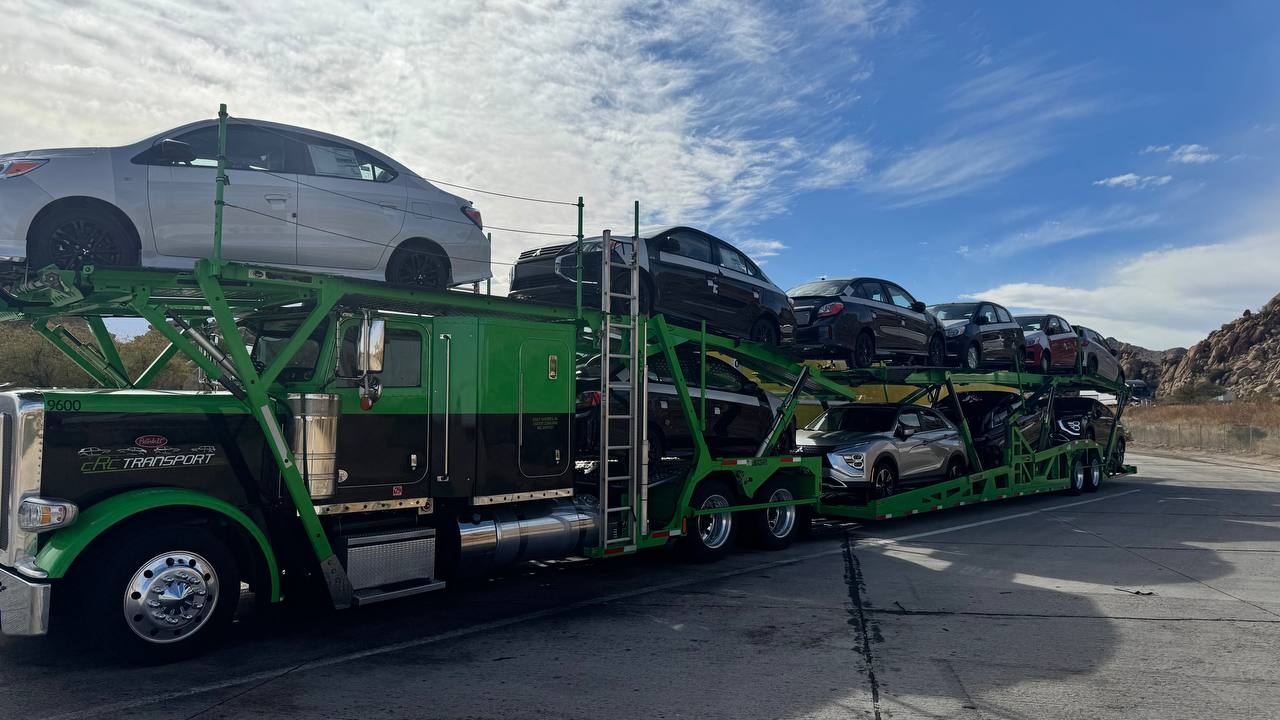
Weather Risk Mitigation in Cross-Country Vehicle Shipping
Weather risk mitigation in cross-country vehicle shipping is a core operational discipline, not a contingency afterthought.
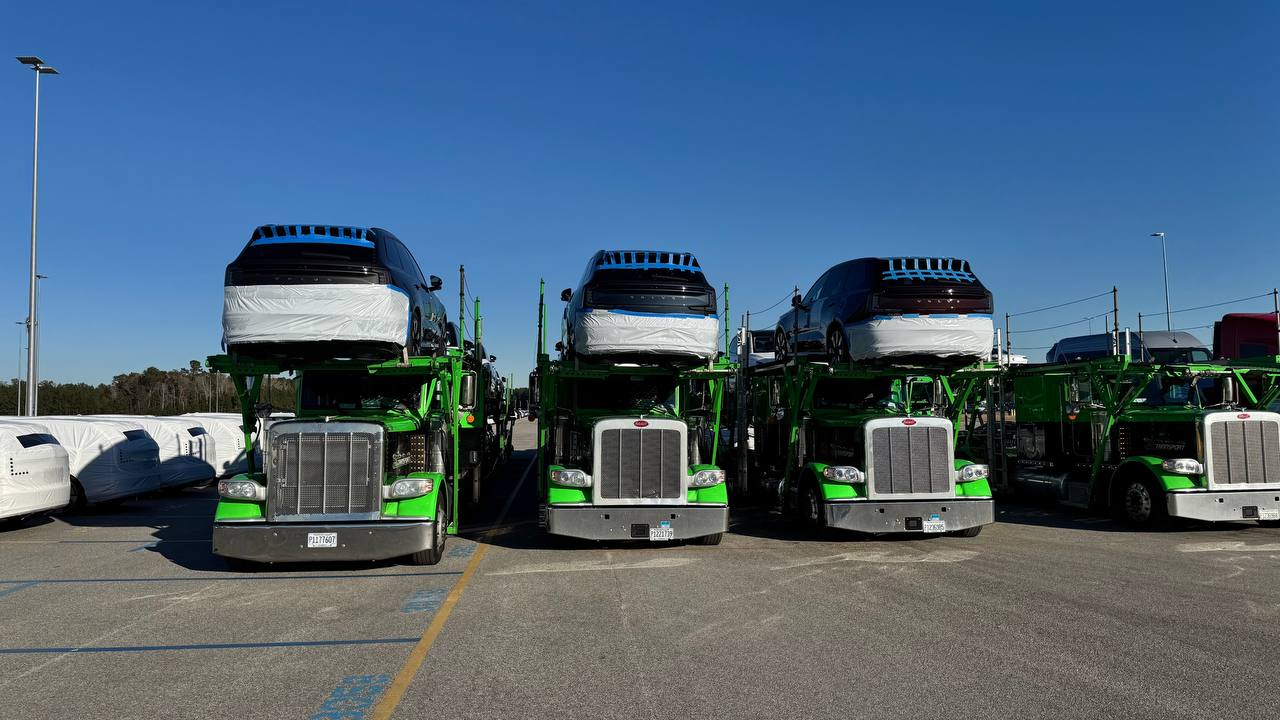
Digital Documentation Standards in Automotive Transport
Digital documentation standards in automotive transport are no longer an operational upgrade. They are a compliance and risk management requirement.
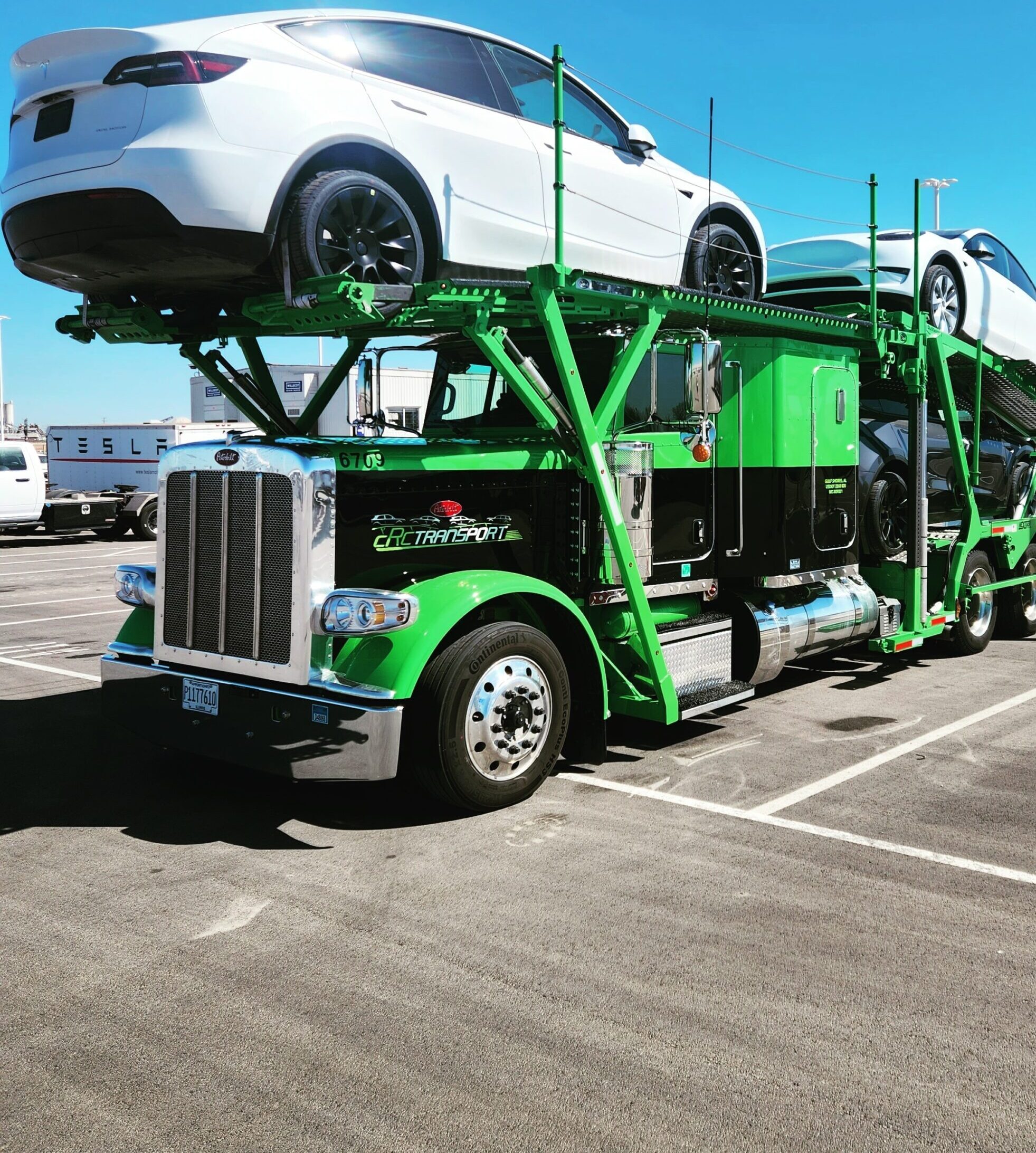
Reducing Floorplan Exposure Through Faster Recon Cycles
Reducing floorplan exposure is not only about negotiating better financing terms. It is about accelerating time to retail readiness.
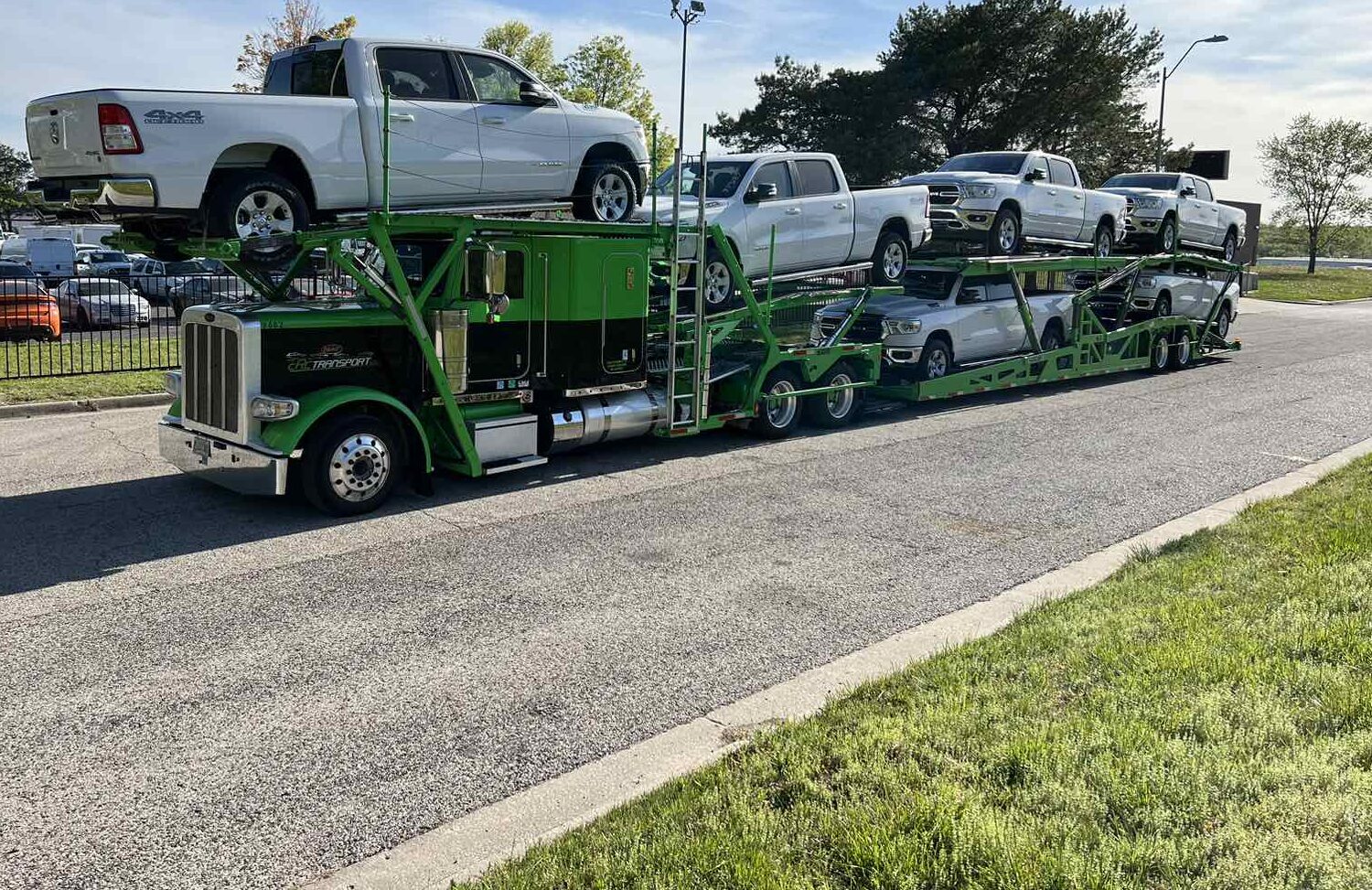
Capacity Planning Strategies for OEM Vehicle Distribution
Capacity planning in OEM vehicle distribution determines whether growth translates into stability or volatility.
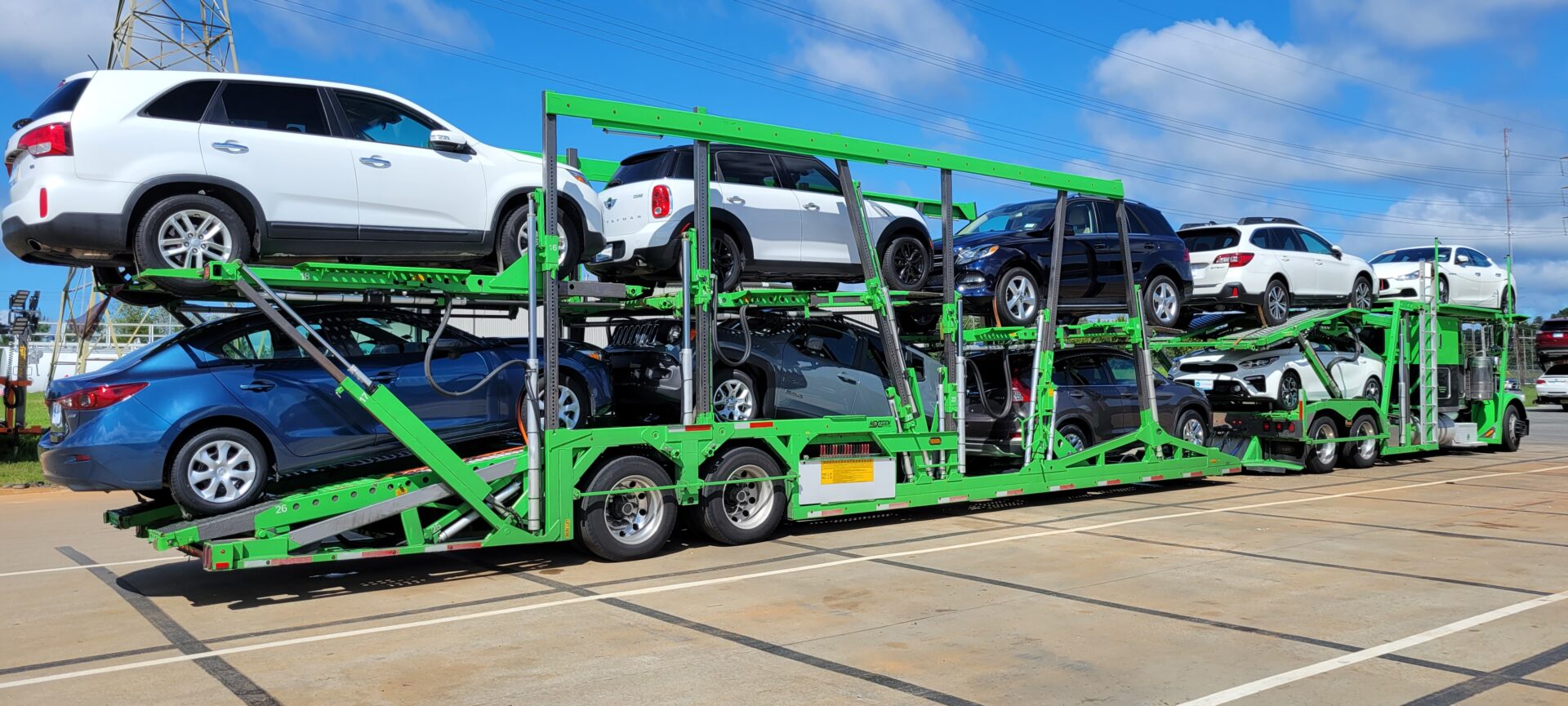
Sustainability in Automotive Distribution Networks
Sustainability in automotive distribution networks is no longer a branding initiative. It is an operational requirement.
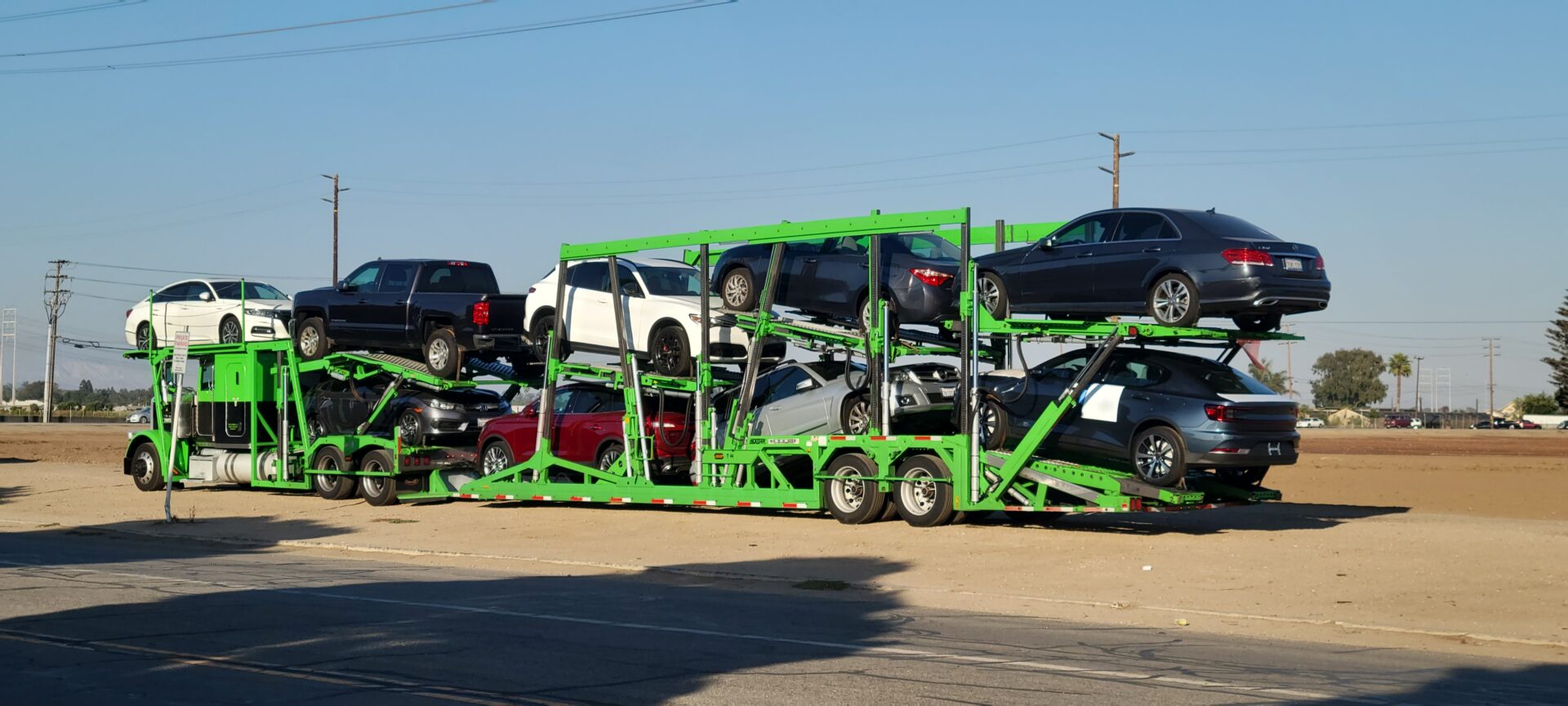
Optimizing Auction-to-Dealer Vehicle Logistics
Auction-to-dealer vehicle logistics is one of the most variable segments of automotive distribution.
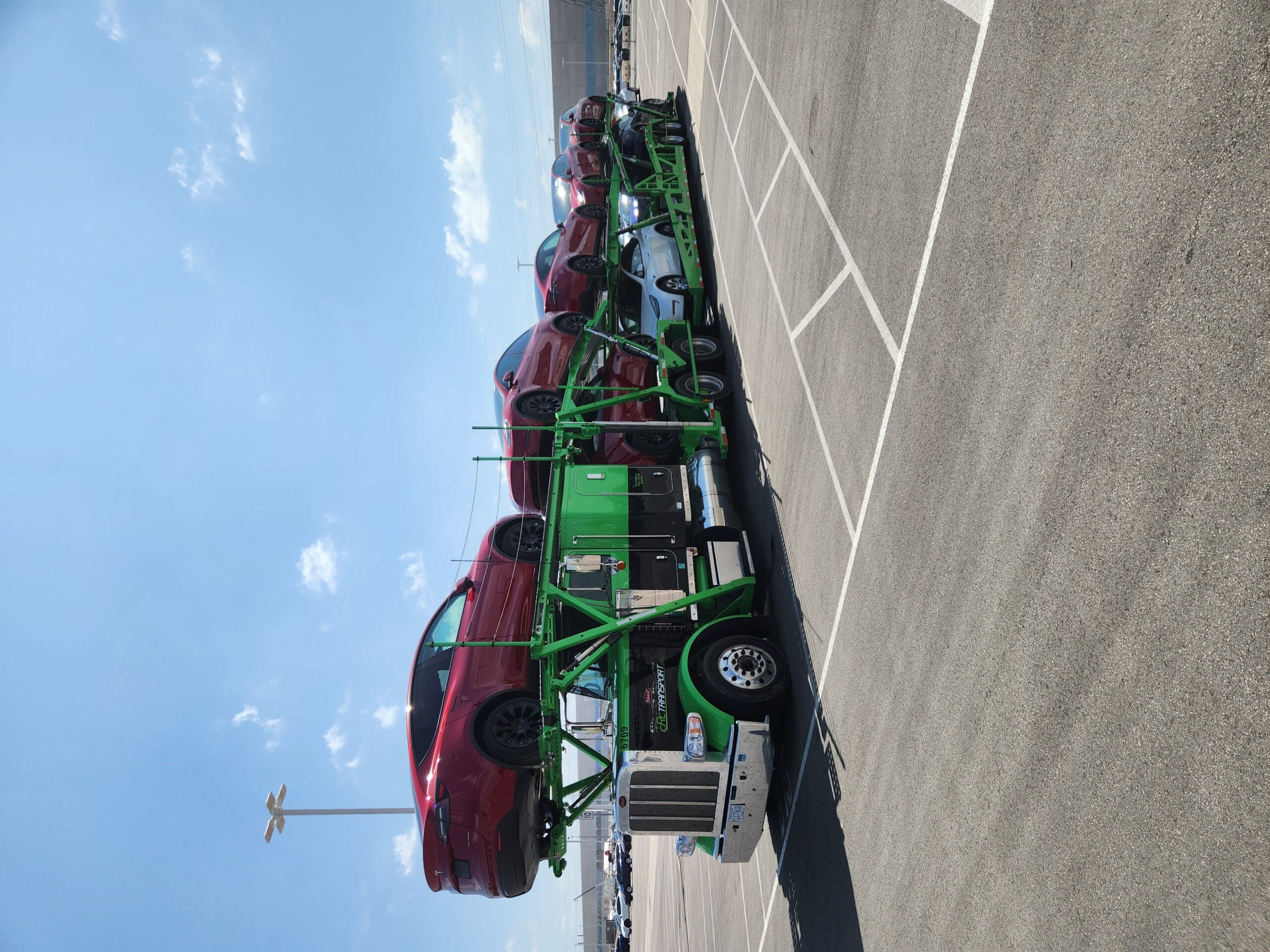
Compliance Best Practices for Interstate Vehicle Transport
Compliance in interstate vehicle transport is not a secondary administrative function. It is a foundational risk control mechanism.
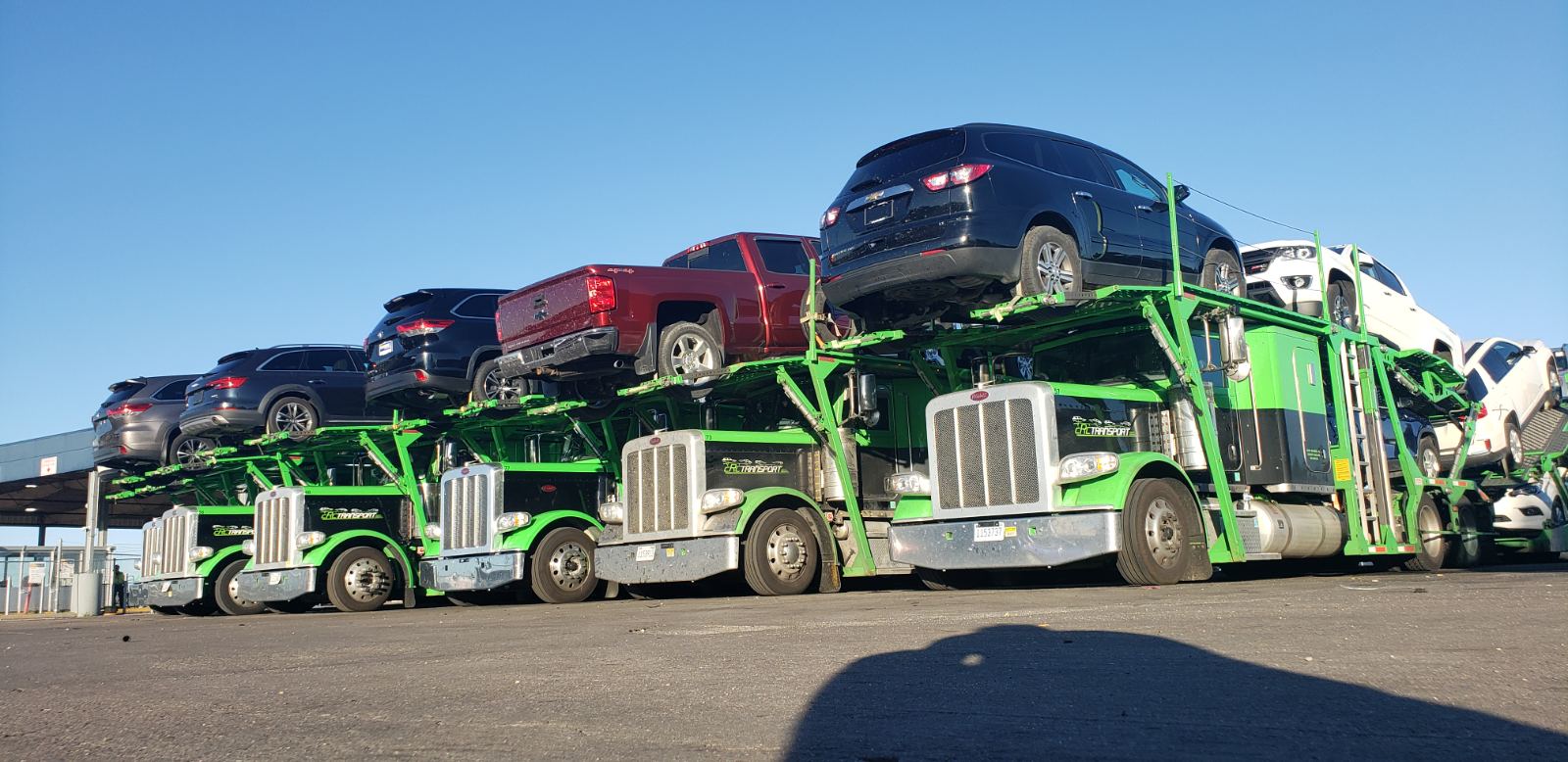
Technology Integration Between TMS and Dealer Systems
Technology integration between TMS and dealer systems is becoming foundational in automotive logistics operations.
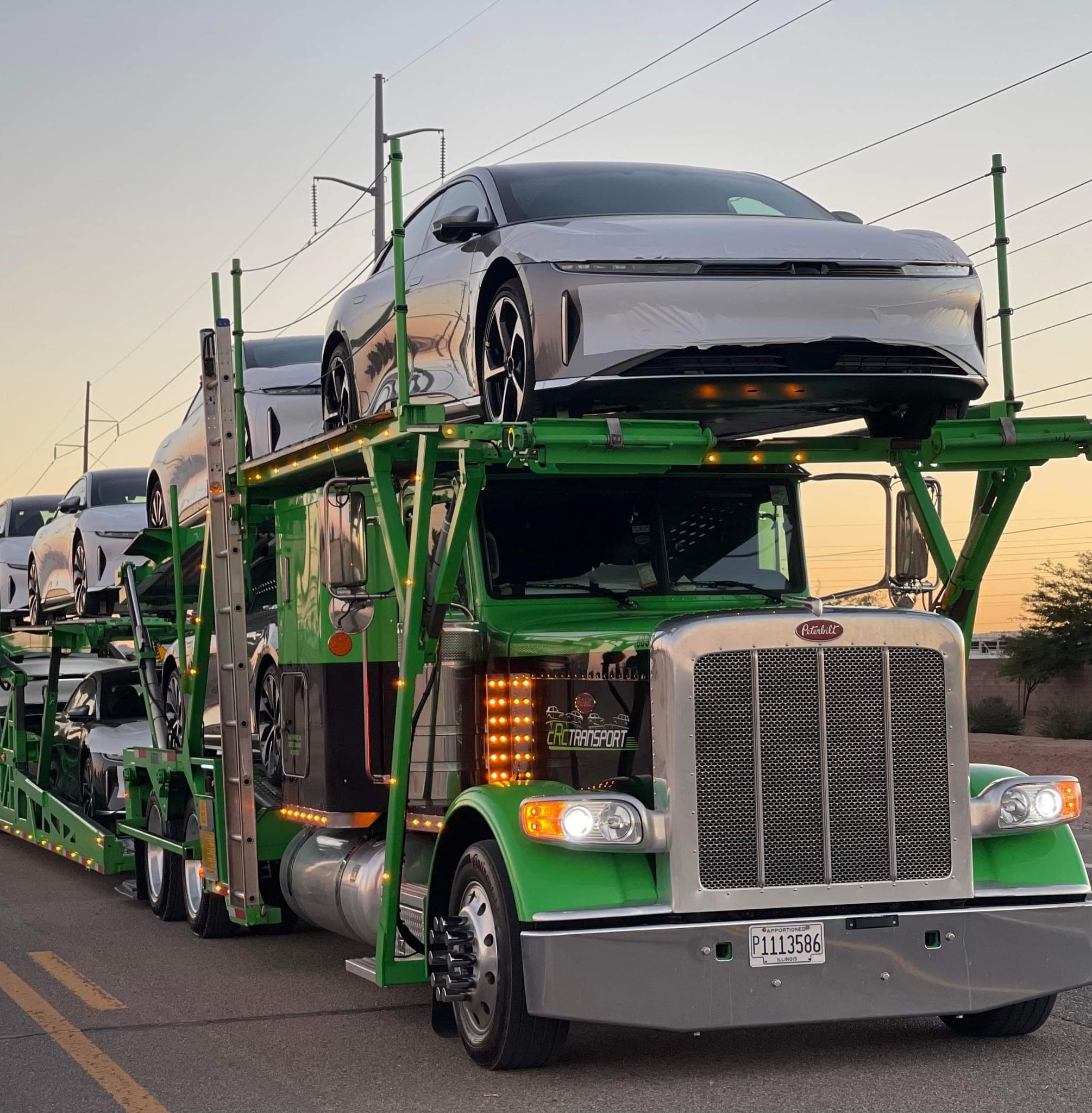
The Economics of Multi-Vehicle Shipping for Dealers
The economics of multi-vehicle shipping for dealers is driven by one principle: consolidation improves efficiency.
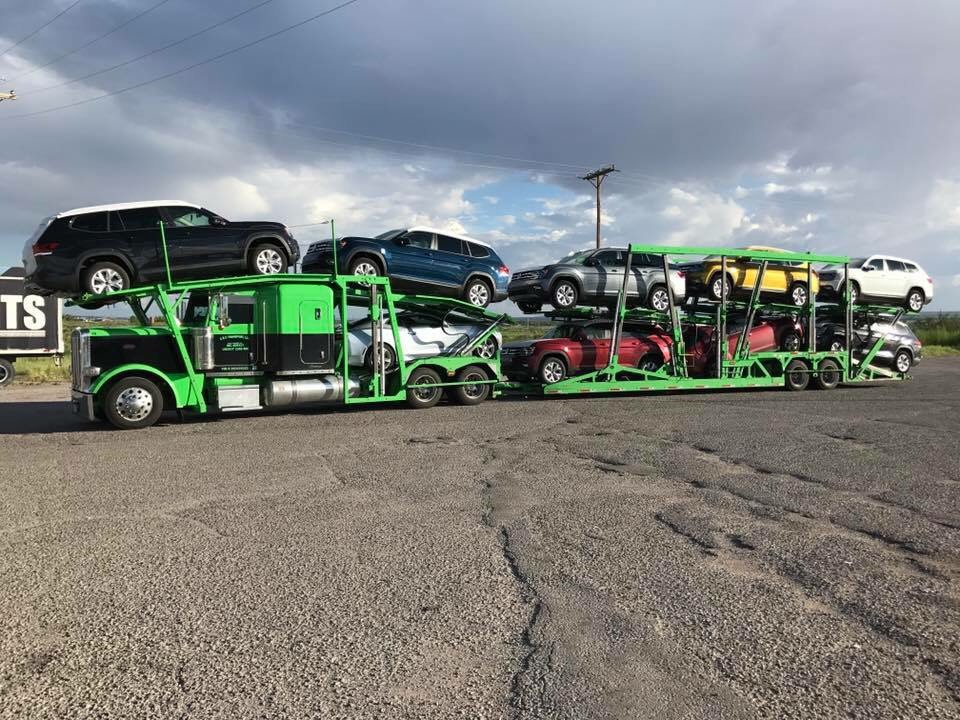
Insurance Considerations in Automotive Transport Contracts
Insurance considerations in automotive transport contracts directly affect financial risk exposure for OEMs and high-volume dealer groups.
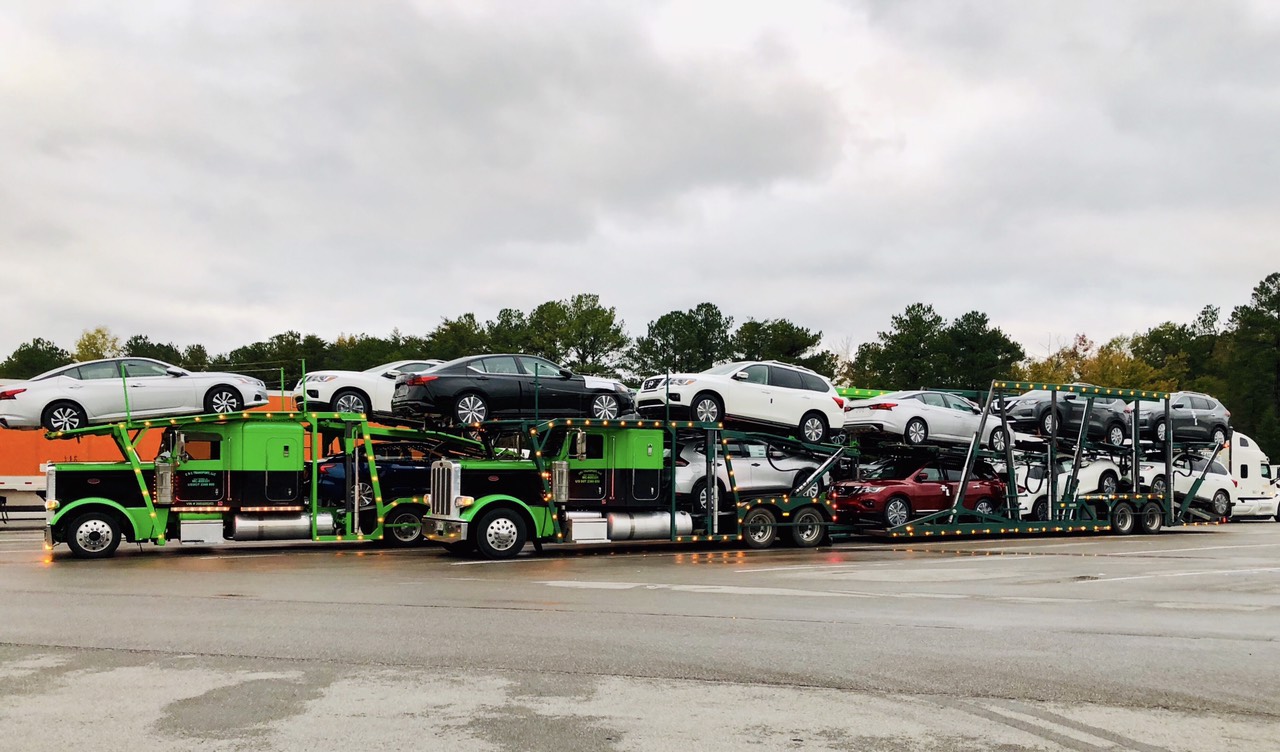
Reducing Transit Dwell Time in Automotive Supply Chains
Transit dwell time is one of the most underestimated cost drivers in automotive supply chains.
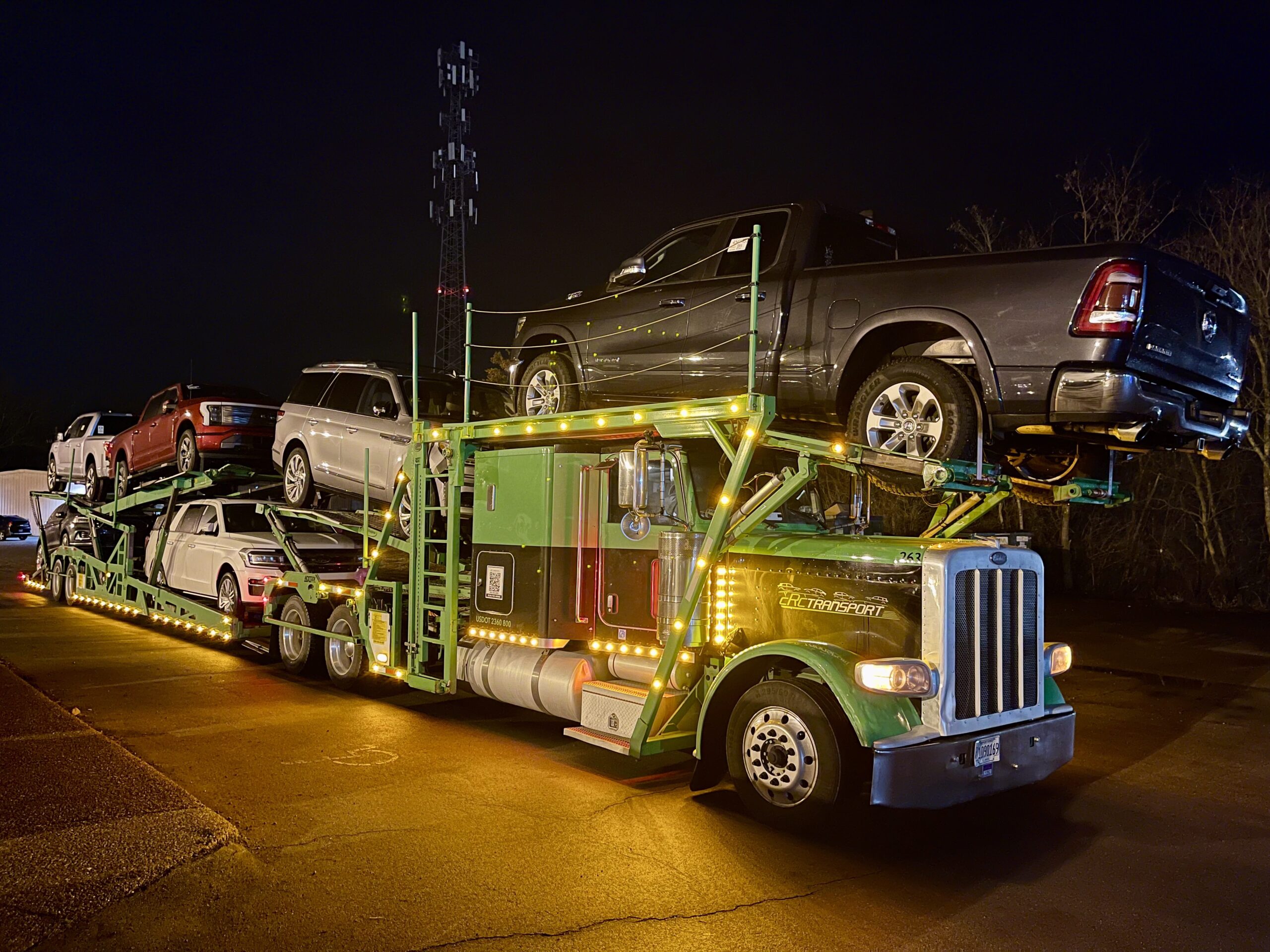
Vehicle Logistics for Multi-State Dealer Groups
Vehicle logistics for multi-state dealer groups is significantly more complex than single-rooftop distribution.

How Data Improves Carrier Performance Evaluation
Carrier performance evaluation in automotive logistics can no longer rely on anecdotal feedback or rate comparison alone.
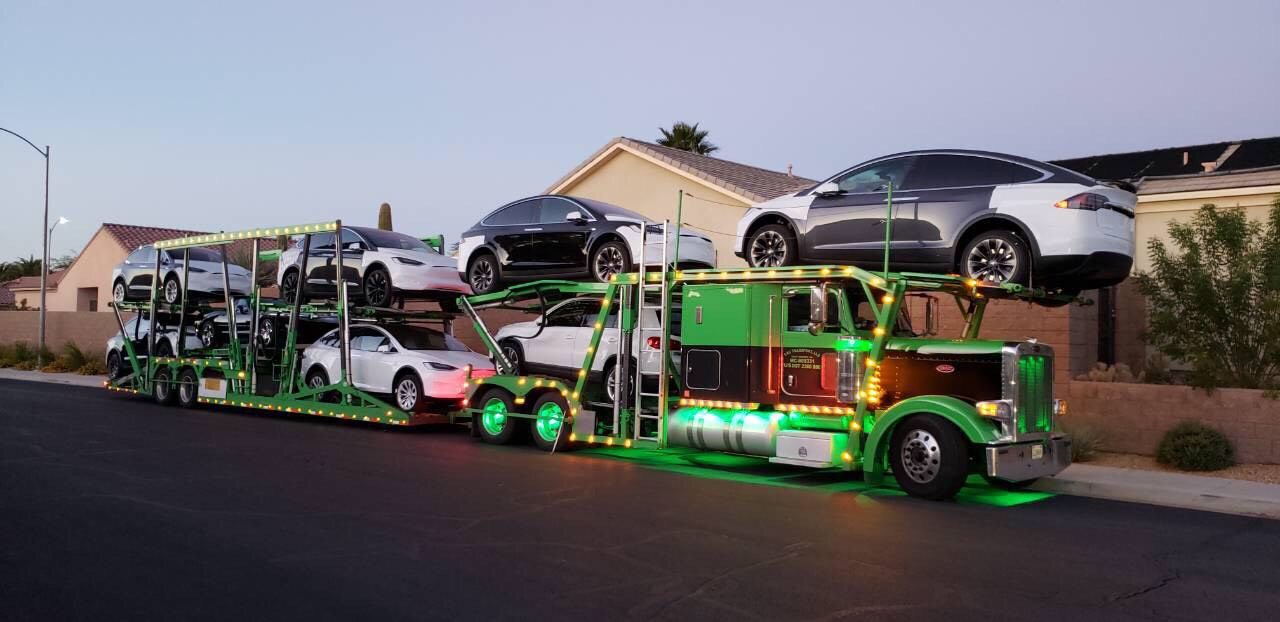
Transport Risk Management for High-Value Vehicles
Transport risk management for high-value vehicles requires a fundamentally different approach than standard inventory distribution.
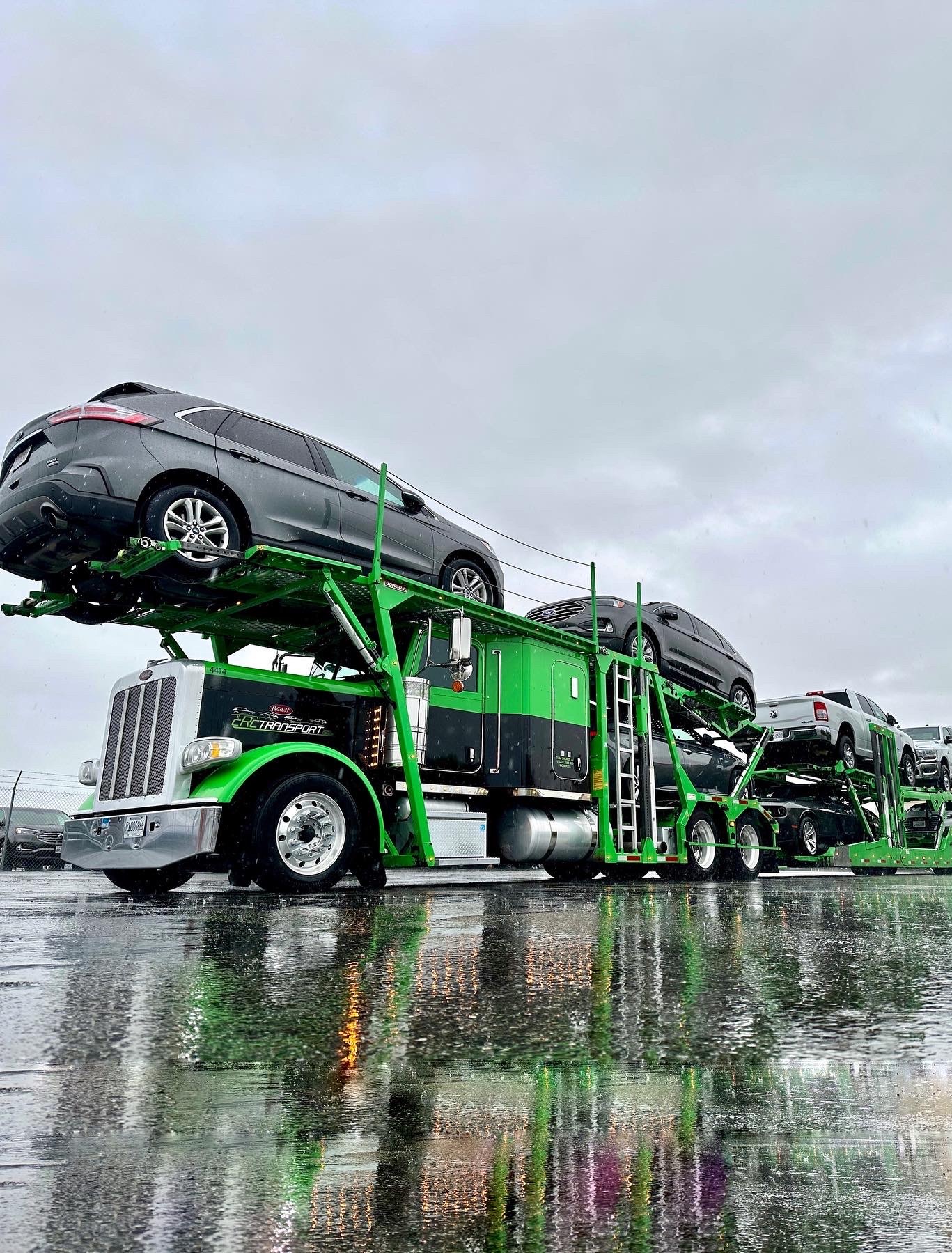
Fleet Expansion and Logistics Scalability
Fleet expansion without logistics scalability creates operational instability.
