
Choosing Between Regional and National Transport Partners – What Dealers Should Know
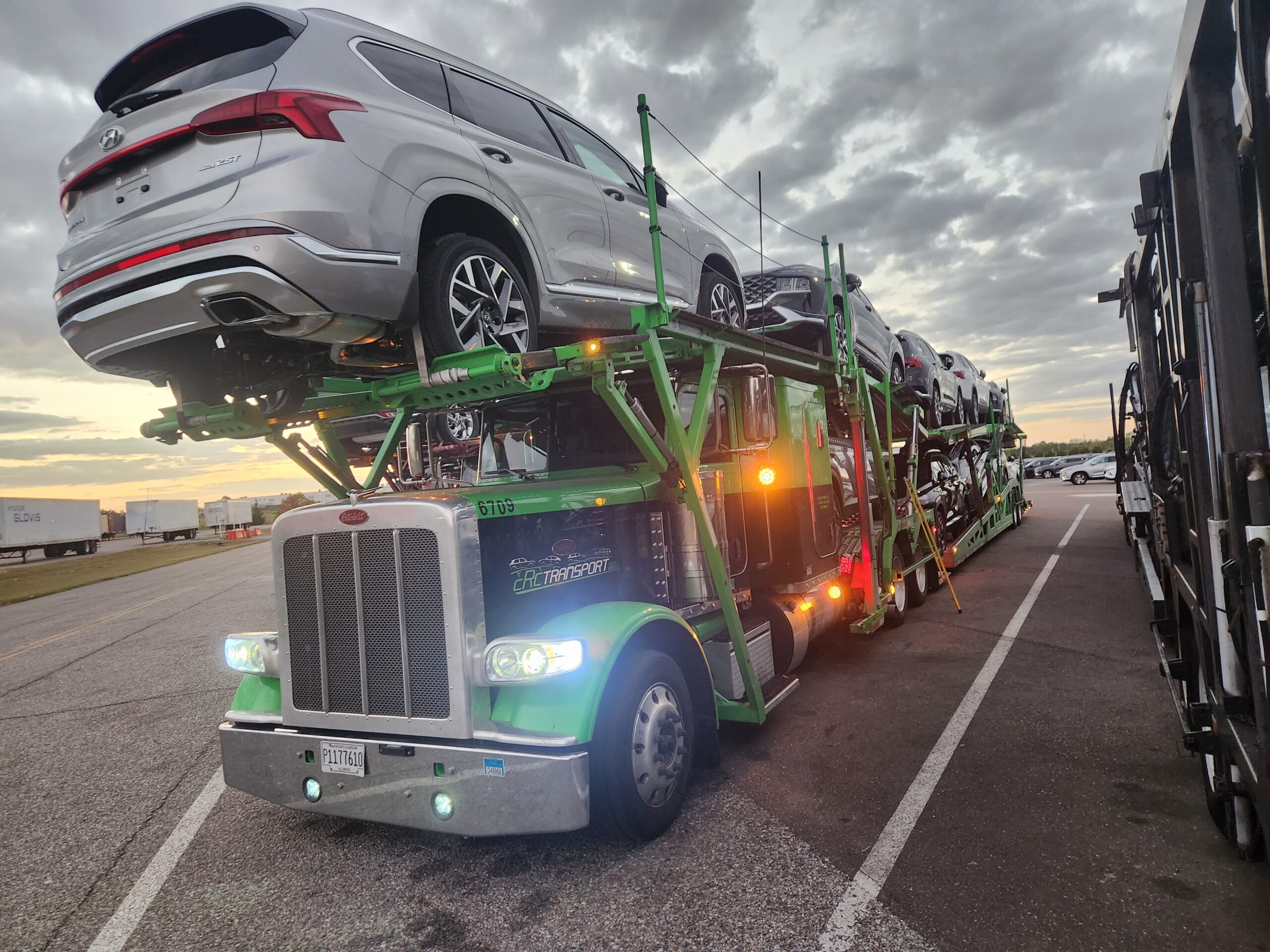
For dealerships, choosing the right transport partner is a strategic decision that can affect operational efficiency, costs, and inventory turnover. Whether you rely on auctions, OEM deliveries, or multi-location transfers, understanding the strengths and limitations of regional versus national transport partners is essential for optimizing vehicle logistics.
Selecting the wrong partner can result in delayed deliveries, unpredictable transit times, higher damage risk, and inefficient recon schedules. Conversely, the right partner ensures smooth auction-to-showroom flow, faster turnaround, and reduced operational friction.
This article provides an in-depth guide for dealership operations teams to evaluate transport partners and make decisions aligned with their business goals.
Why Transport Partner Choice Matters for Dealers
Vehicles don’t generate profit until they reach the showroom in retail-ready condition. Inefficient transport extends days-to-retail and increases holding costs. The right partner impacts:
- Inventory turnover – faster movement means quicker sales
- Floorplan efficiency – shorter idle time reduces interest and storage expenses
- Operational predictability – reliable ETAs improve recon and sales planning
- Damage risk mitigation – experienced carriers handle vehicles properly
Dealers must weigh these factors carefully when choosing between regional and national providers.
Regional Transport Partners: Strengths and Limitations
Regional transport companies operate within a limited geographic area. This approach has distinct advantages and drawbacks:
Strengths
- Faster local pickups
- Being geographically close allows immediate response to auction releases or store-to-store transfers.
- Deep local knowledge
- Familiarity with local routes, traffic patterns, and auction operations ensures smoother pickups and deliveries.
- Personalized service
- Smaller operations can offer customized scheduling and priority for frequent customers.
- Flexibility for last-minute requests
- Regional carriers can often accommodate sudden changes better than national fleets.
Limitations
- Limited coverage
- Cannot efficiently handle multi-state or cross-country deliveries.
- Capacity constraints
- High-volume dealerships may exceed available trucks, leading to delays.
- Scalability challenges
- Regional providers may struggle to support expansion or multiple rooftops efficiently.
National Transport Partners: Strengths and Limitations
National transport providers operate across the country, offering large-scale capacity and extensive coverage. Their advantages and drawbacks differ significantly from regional carriers.
Strengths
- Comprehensive coverage
- Capable of transporting vehicles between states or coast-to-coast without relying on multiple carriers.
- Scalable capacity
- Large fleets can handle high-volume purchases, bulk transfers, and multi-location networks.
- Advanced technology integration
- Many national carriers offer centralized dispatch, automated routing, and real-time tracking platforms.
- Standardized procedures
- Uniform loading, inspection, and delivery processes reduce damage risk and simplify operations.
Limitations
- Less personalized service
- Large organizations may prioritize routes based on efficiency rather than individual dealer needs.
- Longer local response times
- Immediate pickups or last-minute adjustments may not be as flexible as a regional partner.
- Potential higher costs for small loads
- For dealerships shipping a few vehicles, national carriers may be less cost-effective than local providers.
Key Factors Dealers Should Consider
When deciding between regional and national transport partners, dealers should evaluate:
1. Purchase Volume
- High-volume, multi-state purchases often require national partners.
- Small, localized acquisitions can benefit from regional flexibility.
2. Delivery Distance
- Local store-to-store transfers or short auction runs favor regional carriers.
- Cross-country auctions, OEM deliveries, or multi-rooftop logistics require national coverage.
3. Technology and Visibility
- Access to real-time tracking, automated dispatch, and digital condition reporting is critical for managing modern inventory workflows.
- National carriers often provide more robust digital platforms.
4. Reliability and Consistency
- Timely delivery and predictable schedules are essential regardless of scale.
- Evaluate carrier track records, references, and specialized experience with auctions and dealer networks.
5. Flexibility for Priority Loads
- Frequent buyers or high-demand inventory require partners who can adjust quickly.
- Regional carriers excel at local flexibility, but national carriers can prioritize high-volume lanes with advanced planning.
Hybrid Approach: Combining Regional and National Strengths
Many dealers benefit from a hybrid strategy, leveraging the strengths of both regional and national transport providers:
- Use regional carriers for immediate local pickups and inter-store transfers
- Use national carriers for cross-state or coast-to-coast shipments
- Maintain consistent communication, visibility, and digital reporting across both networks
This approach maximizes speed, reliability, and scalability while reducing idle time and operational friction.
How CRC Transport Supports Dealers with Scalable, Flexible Solutions
CRC Transport is designed to bridge the gap between regional flexibility and national coverage. Our solutions include:
- Multi-state transport with scalable capacity
- Real-time tracking and ETA notifications
- Smart routing for auction pickups and multi-location delivery
- Standardized inspection and loading procedures
- Priority scheduling for frequent buyers and high-demand vehicles
- Flexibility for sudden adjustments without disrupting workflow
By combining the benefits of regional responsiveness and national scale, CRC Transport ensures dealerships move vehicles efficiently from auction to showroom, optimizing inventory turnover and reducing holding costs.
Conclusion
Choosing the right transport partner is more than a logistical decision — it’s a strategic factor in dealership profitability and operational efficiency. Dealers must evaluate volume, coverage needs, technology, and flexibility when selecting between regional, national, or hybrid transport solutions.
With the right partner, dealerships gain:
- Faster auction-to-showroom movement
- Lower holding costs
- Predictable and scalable logistics
- Reduced risk of delays and damage
By aligning transport strategy with business goals, dealers can achieve smoother workflows, higher inventory turnover, and stronger bottom-line results.
Reliable Experts in Automotive Transportation
Have any questions or wish to Schedule a pickup today?
Related Posts

Cross-Country Vehicle Transport: Strategies for High-Volume Dealers
As dealer groups expand acquisition radius beyond regional auctions and OEM distribution centers, long-haul logistics becomes more complex. Freight rates fluctuate, weather exposure increases, and transit time variability directly impacts inventory velocity and floorplan interest.
The Role of Auto Transport in Scaling Dealership Operations
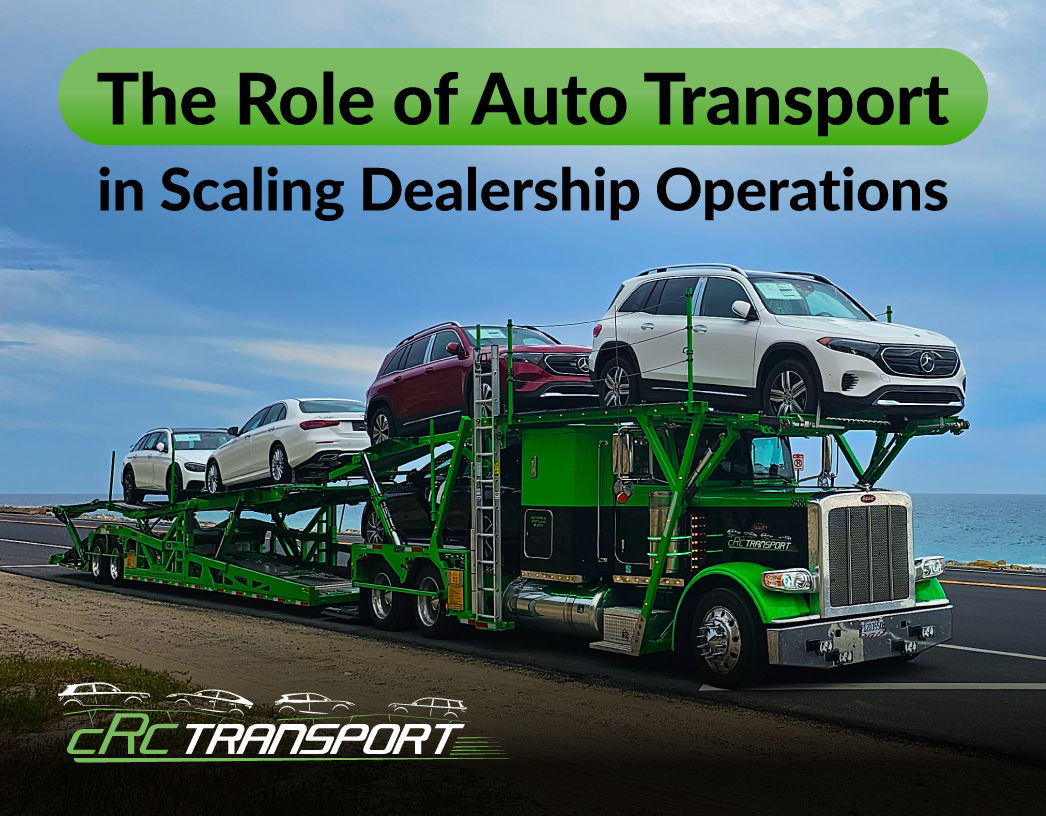
For car dealerships, efficiency is paramount when it comes to inventory management and customer service. As dealerships grow and expand, they need reliable and scalable solutions to handle the logistics of vehicle movement. Auto transport services play a crucial role in scaling dealership operations, providing the foundation for smooth and cost-effective vehicle delivery.

ALSC Europe 2024
CRC Transport was thrilled to explore Europe and actively participate in this dynamic event.
Reducing Inventory Holding Costs with Smart Transport Partnerships
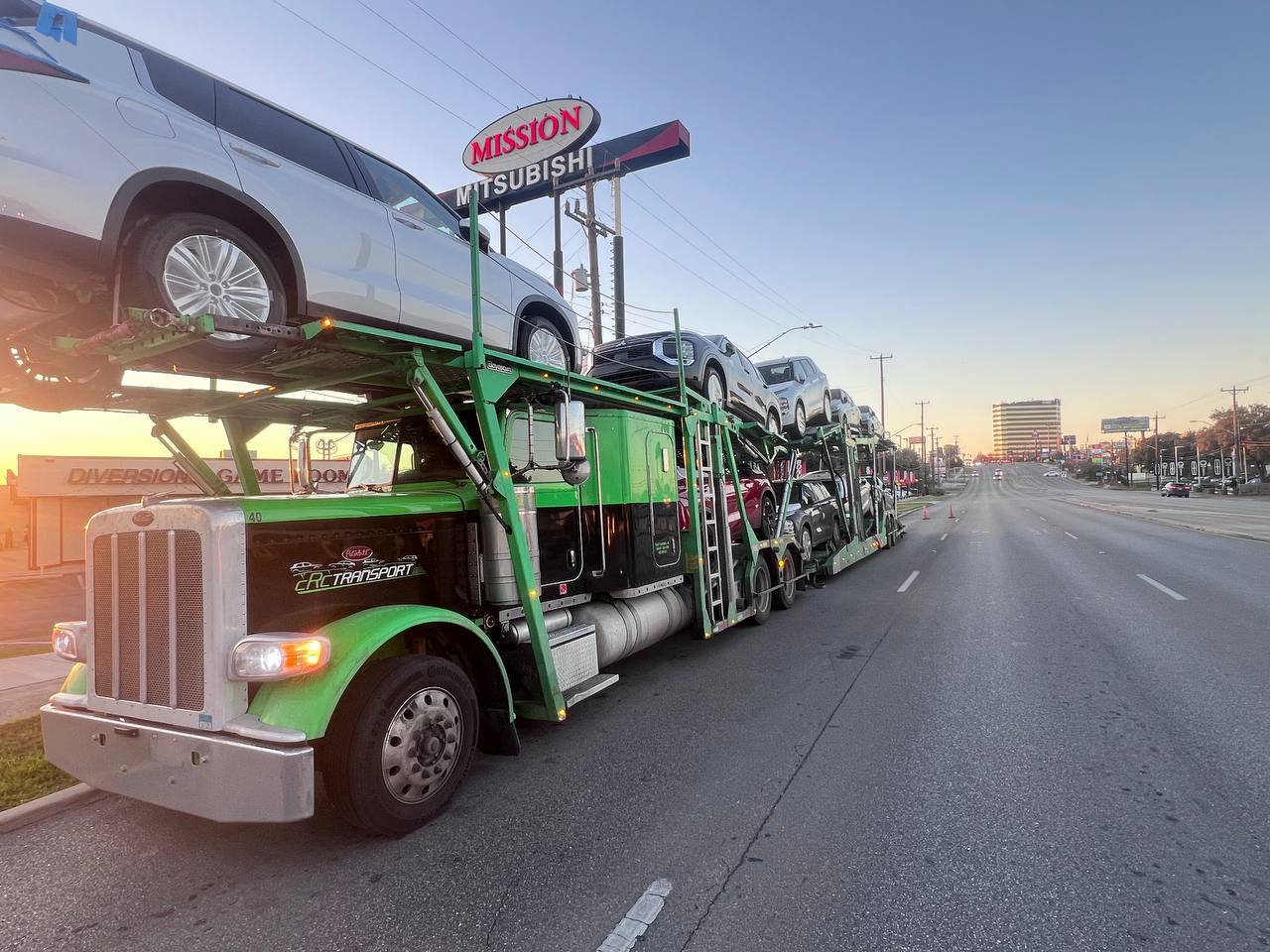
For dealerships and OEMs, one of the biggest operational challenges is balancing inventory levels across multiple markets while avoiding unnecessary holding costs. Every extra day a vehicle sits idle on a lot translates into lost capital, higher storage fees, and slower cash flow. That’s where strategic transport partnerships make all the difference. How Smart Transport […]
