
Compliance Best Practices for Interstate Vehicle Transport
Compliance Best Practices for Interstate Vehicle Transport
Compliance in interstate vehicle transport is not a secondary administrative function. It is a foundational risk control mechanism.
In 2026, OEMs and multi-state dealer groups operate across complex regulatory environments involving federal oversight, state-specific enforcement, insurance standards, weight limits, and documentation requirements. Non-compliance can result in fines, shipment delays, insurance disputes, and operational instability.
Structured compliance management protects margin, delivery predictability, and brand reputation.
Why Interstate Compliance Is Complex
Interstate vehicle transport involves:
- Federal Motor Carrier Safety Administration oversight
- State-level weight and equipment enforcement
- Insurance verification standards
- Environmental and emissions regulations
- Labor and Hours of Service compliance
Each state may enforce regulations differently.
Without standardized oversight, exposure increases with geographic footprint.
1. Verify FMCSA Registration and Authority
Every carrier operating interstate must maintain:
- Active USDOT number
- Motor Carrier authority
- Safety rating compliance
- Valid operating status
OEMs and dealers should verify carrier registration through official databases prior to contract execution and periodically thereafter.
Carrier authority validation is a baseline compliance requirement.
2. Confirm Cargo Insurance Coverage
Insurance compliance must align with vehicle value.
Verification should include:
- Active cargo insurance certificate
- Coverage limits per load and per vehicle
- Expiration date monitoring
- EV-specific coverage considerations
Documentation should be reviewed regularly, not only at onboarding.
Coverage must reflect asset exposure.
3. Monitor Hours of Service Compliance
Driver Hours of Service regulations are federally mandated but enforced variably across states.
Compliance oversight should ensure:
- Electronic Logging Device usage
- Driver rest adherence
- Fatigue management protocols
- Audit readiness
Non-compliance increases accident risk and potential liability exposure.
Operational safety protects financial stability.
4. Ensure Weight and Equipment Compliance
Vehicle weight increases, especially with EV models, create compliance sensitivity.
Best practices include:
- Axle weight verification
- Bridge law adherence
- Equipment height clearance checks
- EV weight distribution planning
Overweight loads can trigger roadside inspections and delays.
Load engineering supports regulatory alignment.
5. Implement Digital Documentation Standards
Digital documentation strengthens defensibility.
Required documentation may include:
- Electronic Bill of Lading
- VIN-level condition reports
- Timestamped pickup and delivery records
- Proof of insurance verification
- Geo-location confirmation
Digital records reduce dispute ambiguity and support audit processes.
Transparency supports compliance.
6. Establish Clear Chain-of-Custody Protocols
Interstate shipments often involve:
- Port transfers
- Rail handoffs
- Hub staging
- Multi-stop deliveries
Contracts should clearly define:
- Liability transfer points
- Inspection requirements at each handoff
- Signature verification standards
Clear chain-of-custody reduces dispute risk.
Accountability must be documented.
7. Review State-Specific Restrictions
Certain states enforce additional requirements related to:
- Emissions compliance
- Idling restrictions
- Urban delivery time windows
- Seasonal weight limits
- Toll reporting standards
Multi-state dealer groups should ensure carriers understand corridor-specific restrictions.
Regional familiarity reduces unexpected delay.
8. Align EV Transport With Emerging Standards
As EV adoption expands, regulatory scrutiny may increase around:
- Battery handling procedures
- Hazard classification clarity
- Weight compliance thresholds
- Safety documentation
Although finished EVs are typically transported as standard vehicles, compliance readiness must reflect evolving oversight.
Proactive alignment reduces regulatory friction.
9. Conduct Periodic Carrier Compliance Audits
Ongoing oversight should include:
- Safety performance review
- Claims frequency evaluation
- Insurance validity checks
- Documentation compliance audits
- Route-specific enforcement pattern review
Compliance monitoring should be continuous.
Reactive review increases exposure.
10. Integrate Compliance With Performance Analytics
Compliance and performance are interconnected.
Metrics to monitor include:
✔ Inspection frequency by lane
✔ Claim incidents linked to compliance gaps
✔ Delivery variance due to regulatory delays
✔ Insurance claim dispute rate
✔ Safety violation trends
Data-driven compliance strengthens operational discipline.
Interstate Compliance Checklist
✔ Active FMCSA authority verification
✔ Valid cargo insurance certificate
✔ Hours of Service monitoring
✔ Weight and equipment compliance checks
✔ Digital inspection documentation
✔ Defined chain-of-custody procedures
✔ State-specific restriction awareness
✔ Periodic compliance audits
Compliance discipline reduces operational volatility.
The CRC Transport Compliance Framework
CRC Transport supports interstate compliance through:
Regulatory Verification
- Active carrier authority monitoring
- Insurance documentation review
- Safety performance tracking
Digital Documentation
- VIN-level inspection reporting
- Electronic Bill of Lading processing
- Timestamped custody records
Operational Oversight
- Weight-balanced load planning
- Route compliance evaluation
- Continuous performance analytics
This structured compliance approach supports stable, multi-state vehicle distribution across U.S. automotive corridors.
FAQ: Interstate Vehicle Transport Compliance
Why is FMCSA verification important?
It confirms carrier legal authority to operate interstate.
Do EVs require different compliance documentation?
Generally no, but weight and safety scrutiny may increase.
How often should insurance certificates be reviewed?
Regularly, especially before contract renewal or peak volume periods.
What is the biggest compliance risk?
Unverified carrier authority or insufficient cargo coverage.
Does digital documentation improve compliance?
Yes. It strengthens defensibility and audit readiness.
Final Perspective
Compliance best practices for interstate vehicle transport are a strategic safeguard, not a bureaucratic burden.
In 2026, structured verification, digital documentation, and proactive oversight separate stable supply chains from high-risk operations.
OEMs and multi-state dealer groups that embed compliance discipline into logistics planning protect margin, maintain delivery predictability, and reduce exposure across expanding geographic networks.
Reliable Experts in Automotive Transportation
Have any questions or wish to Schedule a pickup today?
Related Posts
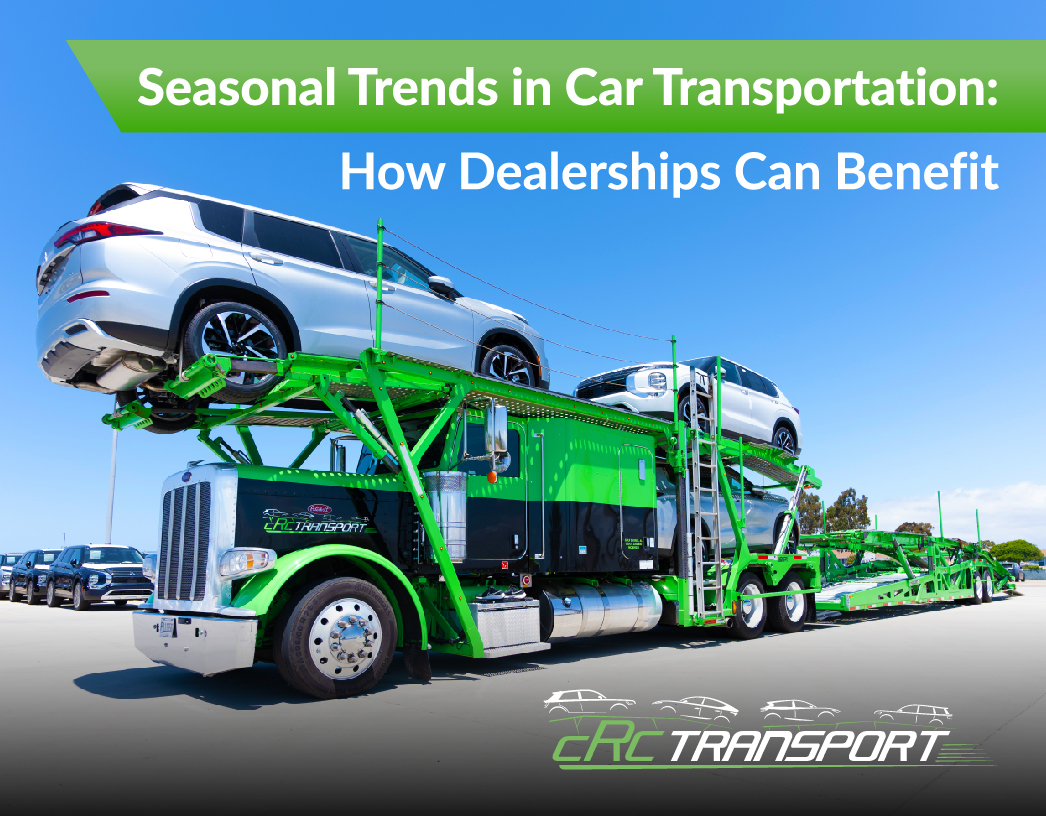
Seasonal Trends in Car Transportation: How Dealerships Can Benefit
In the automotive industry, timing can be everything – especially when it comes to vehicle shipping. For car dealerships that rely on efficient vehicle transportation to maintain inventory flow, understanding seasonal trends in auto transport can lead to better planning, lower costs, and improved customer satisfaction.
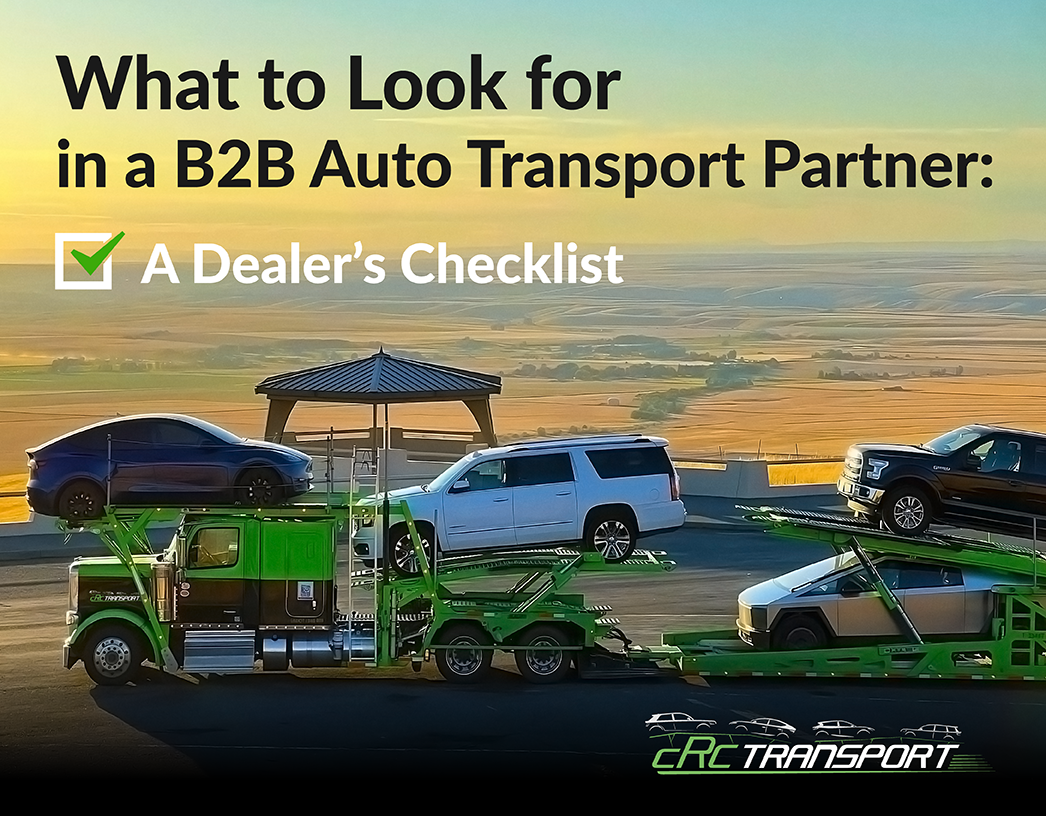
What to Look for in a B2B Auto Transport Partner: A Dealer’s Checklist
In today’s competitive automotive landscape, choosing the right auto transport partner can mean the difference between seamless operations and costly delays. With increasing demand for multi-location logistics, used inventory movement, and out-of-state deliveries, dealerships need a logistics provider that doesn’t just deliver vehicles – but delivers results.
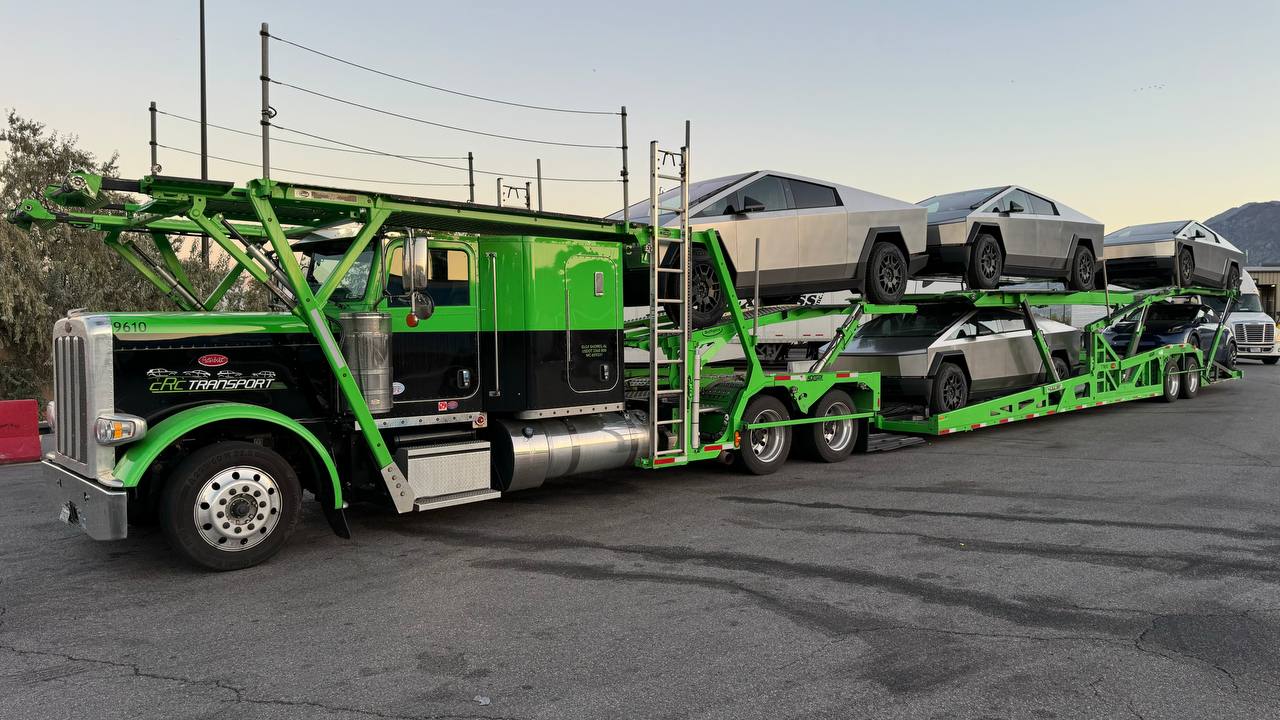
The Hidden Costs of Not Using a Professional Auto Transport Partner
In the automotive industry, timing, coordination, and consistency are everything. Dealerships, OEMs, and auctions depend on predictable vehicle movement to keep their operations functioning — from sales cycles to production timelines. Yet many businesses continue to rely on inconsistent carriers, unverified local drivers, or last-minute transport options without understanding the real costs behind those decisions. […]
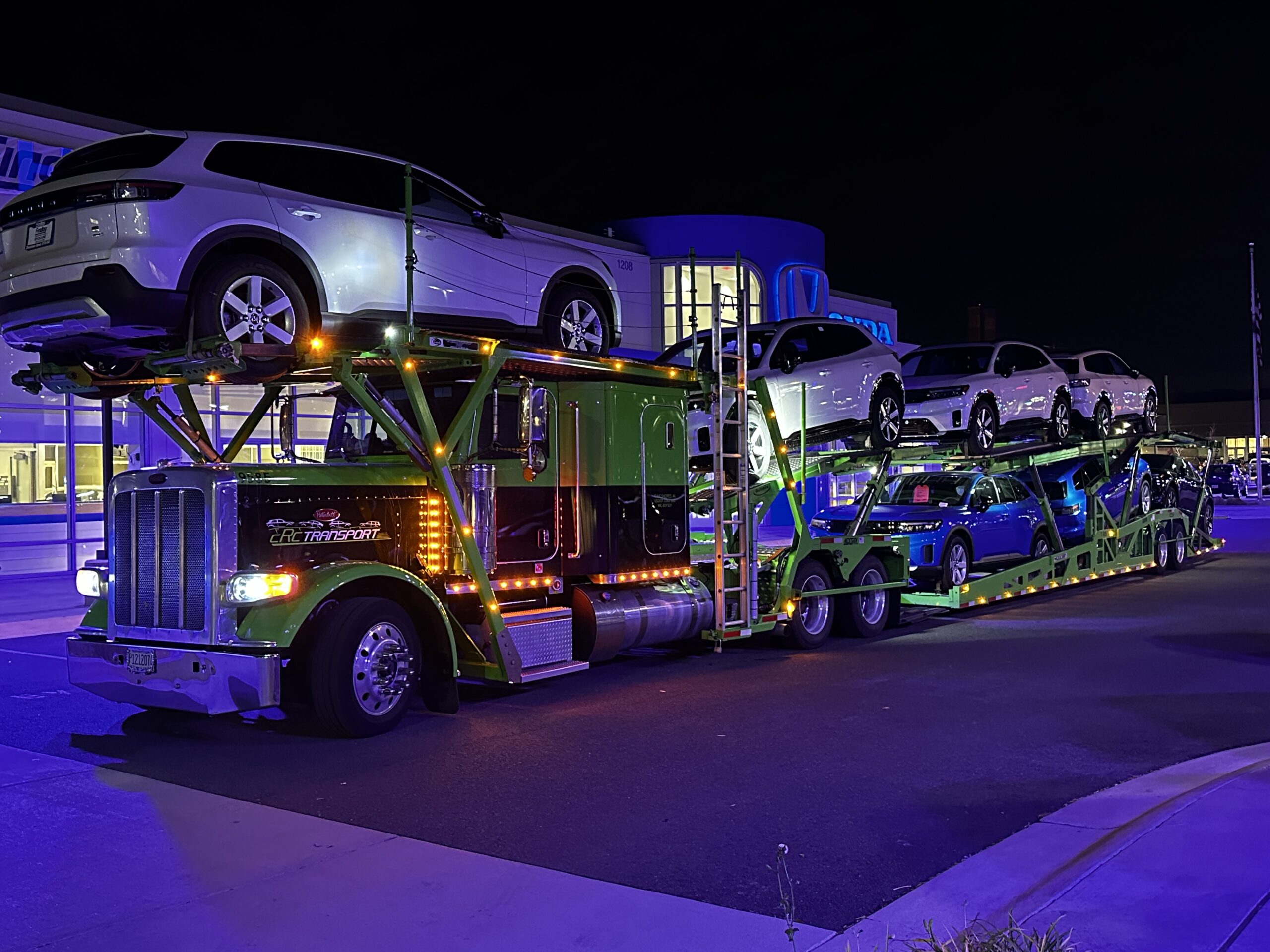
Fleet Relocation Made Simple: Solutions for Rental and Corporate Clients
Managing fleet relocation is one of the biggest logistical challenges for rental companies, corporate fleets, and mobility providers. Whether you’re repositioning vehicles between branches or expanding into new markets, finding a dependable car transport service Dallas TX or nationwide solution can significantly improve operational efficiency. Today’s mobility landscape demands flexibility, speed, and transparency – and […]
