Digital Condition Reports: Reducing Damage Claims and Streamlining Delivery
Digital Condition Reports: Reducing Damage Claims and Streamlining Delivery
Digital condition reports are rapidly becoming a standard requirement in automotive transport planning for OEMs and dealership groups.
In 2026 and beyond, paper-based inspection forms and manual documentation processes create risk, delay claims resolution, and increase administrative cost. VIN-level digital documentation improves transparency, accelerates dispute handling, and strengthens accountability across the vehicle distribution chain.
For OEM logistics teams and dealer operators, digital condition reporting is not just a technology upgrade – it is a financial control mechanism.
Why Traditional Inspection Methods Create Risk
Paper inspection reports often lead to:
- Illegible handwriting
- Missing timestamps
- Incomplete damage annotations
- Photo documentation gaps
- Delayed claims processing
- Disputes over pre-existing damage
When documentation is inconsistent, claim resolution slows. Slow claims create:
- Extended vehicle downtime
- Administrative overhead
- Dealer dissatisfaction
- Increased insurance friction
Digital reporting eliminates many of these variables.
What Is a Digital Condition Report
A digital condition report is a VIN-specific inspection record captured electronically at pickup and delivery.
It typically includes:
- Timestamped inspection logs
- Geo-location verification
- High-resolution photo documentation
- Damage annotation overlays
- Digital signatures
- Cloud-based storage
- Instant data transmission
This creates a secure, searchable audit trail tied directly to the vehicle.
How Digital Reports Reduce Damage Claims
1. Clear Baseline Documentation
At pickup, the vehicle condition is recorded with photos and structured annotations. This establishes:
- Verified pre-transport status
- Confirmed mileage
- Exterior and interior condition
- Signature acknowledgment
Disputes decrease because documentation is objective and timestamped.
2. Faster Claims Validation
When damage is reported at delivery:
- Before and after photos are compared
- Time and location data confirm chain of custody
- Damage markers are digitally highlighted
Claims departments no longer depend on manual paperwork review. Resolution timelines shorten significantly.
3. Reduced Fraud and Miscommunication
Digital systems prevent:
- Retroactive editing
- Unverified claims
- Lost paperwork
- Duplicate entries
OEMs and dealers gain confidence that documentation reflects actual condition at each transfer point.
Streamlining Delivery Through Digital Documentation
Digital condition reports also accelerate operational flow.
Benefits at Delivery:
- Immediate confirmation of receipt
- Instant access to inspection photos
- Reduced yard processing time
- Faster recon scheduling
- Faster retail listing
Dealerships can begin reconditioning or photo staging immediately instead of waiting for physical paperwork.
VIN-Level Tracking Integration
Modern digital inspection platforms integrate with:
- Transportation Management Systems
- ERP platforms
- Dealer Management Systems
- Inventory software
This allows:
- Automatic VIN status updates
- Centralized reporting dashboards
- Audit-ready documentation storage
- Historical condition tracking
Documentation becomes searchable and exportable.
Risk Mitigation for OEMs
For OEMs distributing thousands of vehicles monthly, damage claims impact:
- Warranty exposure
- Insurance costs
- Brand perception
- Dealer relations
Digital condition reporting provides:
- Consistent inspection protocols
- Standardized reporting templates
- Claims frequency analysis
- Lane-specific damage pattern review
Data enables preventative adjustments in routing or load configuration.
Damage Trend Analysis
One of the most valuable advantages is pattern detection.
With aggregated digital reports, logistics teams can identify:
- Specific lanes with elevated minor damage frequency
- Seasonal weather-related damage patterns
- Carrier-specific claim trends
- Loading configuration inconsistencies
Instead of reacting to claims, teams proactively adjust planning strategies.
Enhancing Accountability Across the Transport Chain
Digital reports establish responsibility at each transfer point:
- Plant release
- Port handling
- Carrier pickup
- Hub transfers
- Dealer delivery
Every handoff is documented with timestamp and signature verification.
Clear accountability reduces ambiguity and accelerates resolution.
Improving Dealer Satisfaction
Dealers value:
- Transparency
- Fast claim handling
- Reduced recon delays
- Clear documentation access
Digital condition reports provide instant access to delivery photos and inspection records, reducing friction between dealership operations and logistics providers.
This improves CSI performance and strengthens OEM-dealer relationships.
Insurance and Compliance Advantages
Insurance carriers increasingly favor structured digital documentation.
Benefits include:
- Reduced claim disputes
- Faster underwriting review
- Clear audit trails
- Reduced fraud exposure
For high-value EVs and specialty vehicles, documented inspection integrity is critical.
Implementation Considerations
When evaluating transport partners, dealerships and OEMs should assess:
✔ Real-time digital inspection capability
✔ Photo resolution standards
✔ VIN-level documentation access
✔ Cloud storage security
✔ API integration compatibility
✔ Claims reporting transparency
✔ Standardized inspection checklist protocols
Technology should support operational clarity, not complicate workflow.
The CRC Transport Digital Reporting Model
CRC Transport integrates structured digital condition reporting across vehicle transport operations through:
1. Pickup Inspection Protocol
- VIN verification
- High-resolution photo capture
- Digital signature confirmation
- Time and geo-location stamping
2. Transit Monitoring
- Real-time tracking
- Exception alerts
- Secure documentation storage
3. Delivery Verification
- Before and after photo comparison
- Instant digital receipt confirmation
- Transparent claims workflow
This structured documentation reduces disputes, accelerates processing, and protects both OEM and dealer margin.
FAQ: Digital Condition Reports in Automotive Transport
Do digital reports eliminate all damage claims?
No, but they significantly reduce disputes and accelerate resolution.
Are digital inspections legally recognized?
Yes, when properly timestamped and signed, they create enforceable documentation.
Do they slow down loading?
No. Structured mobile inspection platforms typically speed up inspection compared to manual paperwork.
Can dealers access reports directly?
Modern systems allow VIN-level access via secure portals or integration.
Are digital systems expensive to implement?
Most carriers incorporate them as part of standard service infrastructure.
Final Perspective
Digital condition reports are redefining accountability in automotive transport.
They reduce damage disputes, shorten claim timelines, improve delivery flow, and provide VIN-level transparency across the entire distribution network.
For OEMs and dealerships seeking operational precision in 2026 and beyond, digital documentation is no longer optional – it is essential infrastructure.
Reliable Experts in Automotive Transportation
Have any questions or wish to Schedule a pickup today?
Related Posts
EV Logistics Challenges for OEMs in 2026
EV logistics challenges for OEMs in 2026 are fundamentally different from traditional internal combustion vehicle distribution.
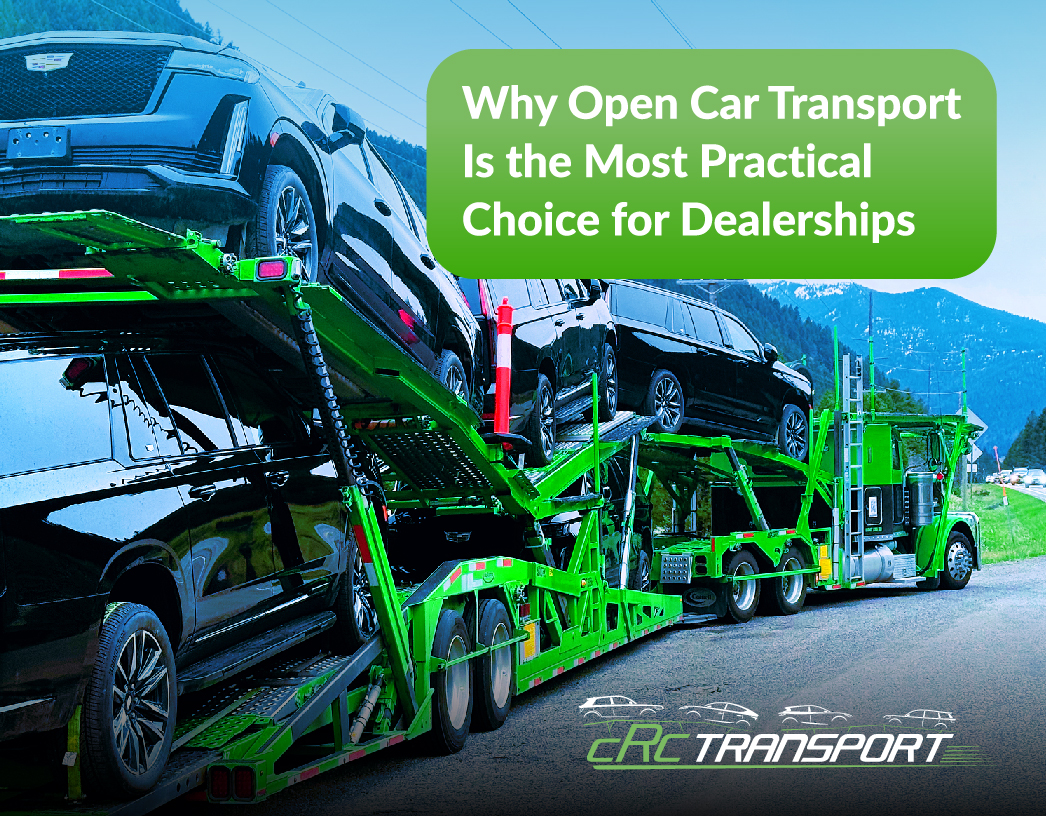
Why Open Car Transport Is the Most Practical Choice for Dealerships
For auto dealerships managing inventory across multiple locations, open car transport stands out as the most cost-effective and practical solution. Unlike enclosed transport, open carriers can handle multiple vehicles at once, making them ideal for bulk moves and regular shipments between auctions, showrooms, and buyers.
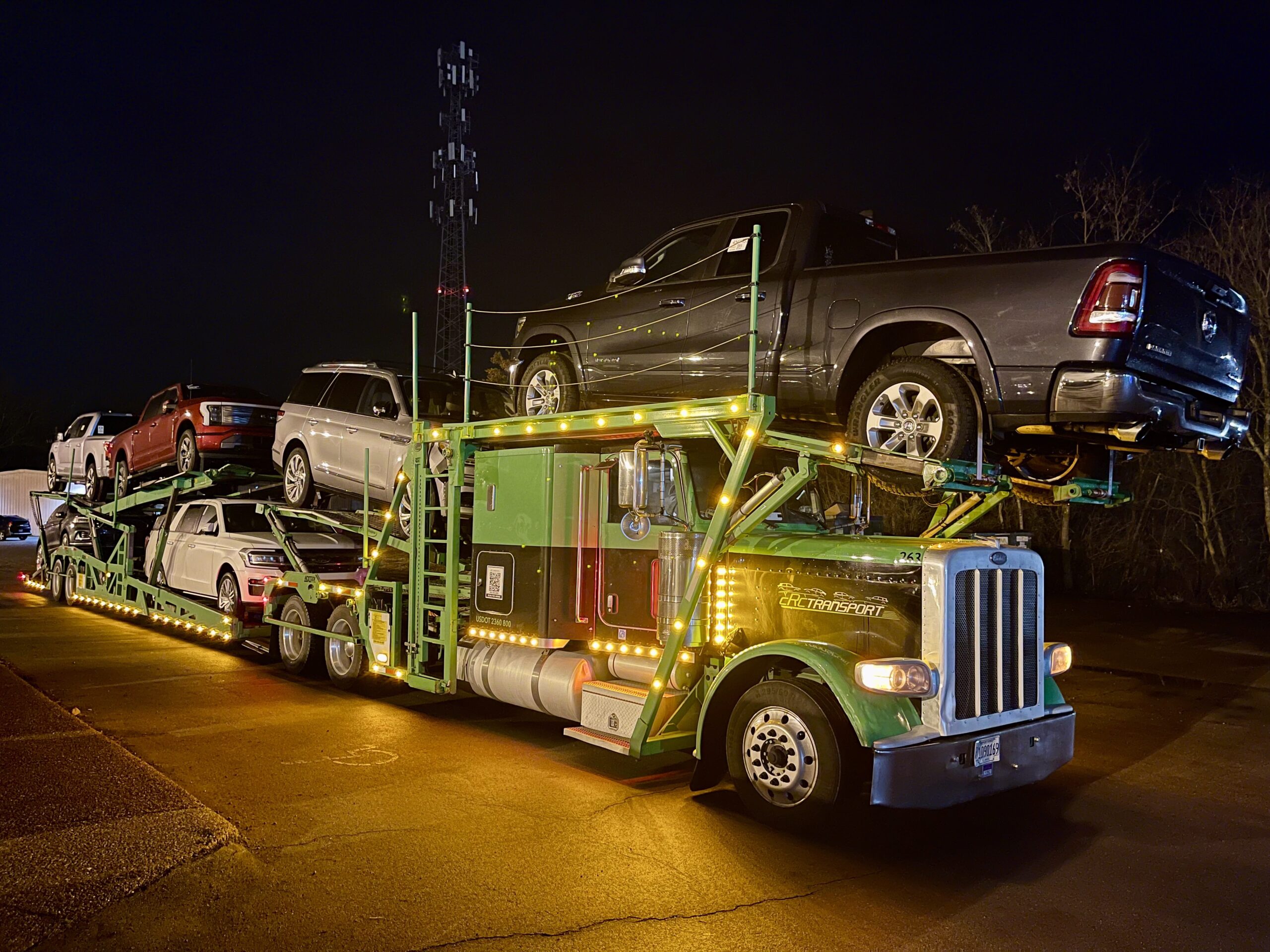
Reducing Hidden Costs in Dealer-to-Dealer Vehicle Transfers
Dealer-to-dealer vehicle transfers are an essential part of the automotive retail ecosystem. Whether it’s balancing inventory across locations, fulfilling specific model requests, or optimizing regional availability, these movements keep dealership networks efficient. Yet, many dealers underestimate the hidden costs involved in these transfers — from inefficient routing to unnecessary downtime. Understanding and addressing these hidden […]
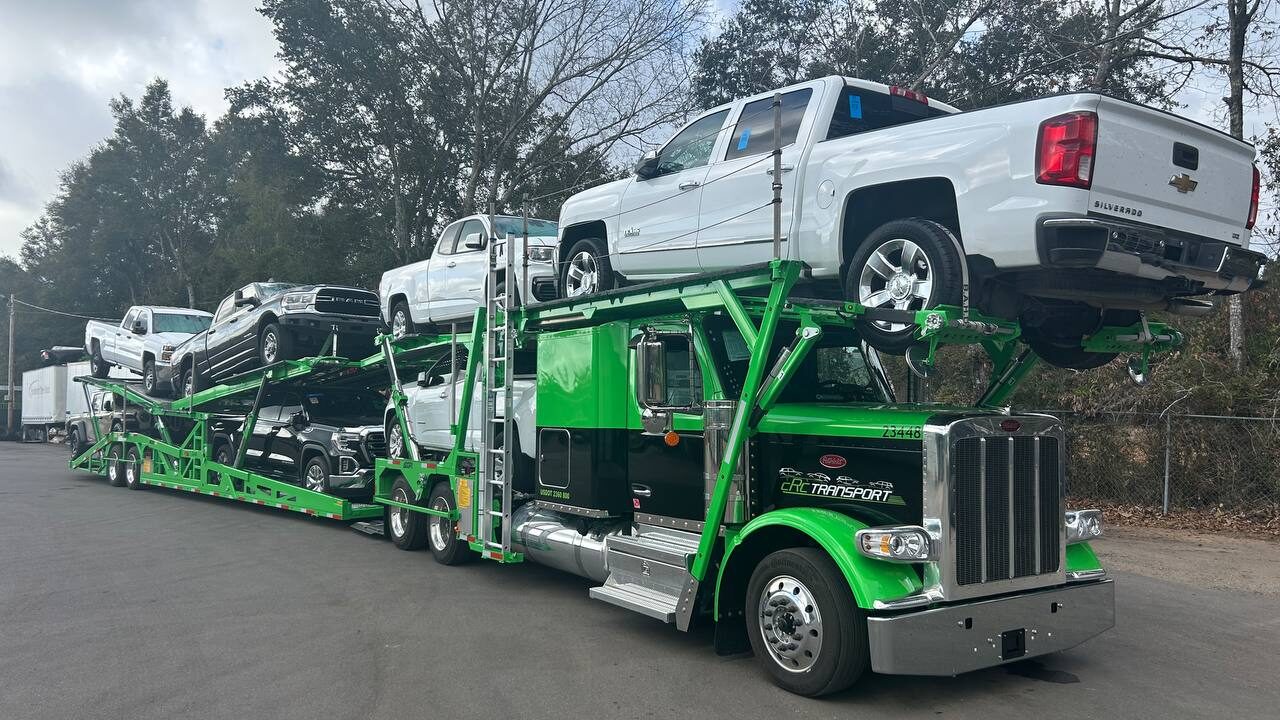
Managing Manufacturer Allocations: Transport Strategy for New Arrivals
When new vehicles arrive from the manufacturer, dealerships face a critical challenge – how to get them to the right locations efficiently. A poor allocation and delivery strategy can lead to overstock at some rooftops and shortages at others. By developing a solid transport strategy, dealers can keep inventory balanced, improve sales opportunities, and meet […]
