
EV Logistics Challenges for OEMs in 2026
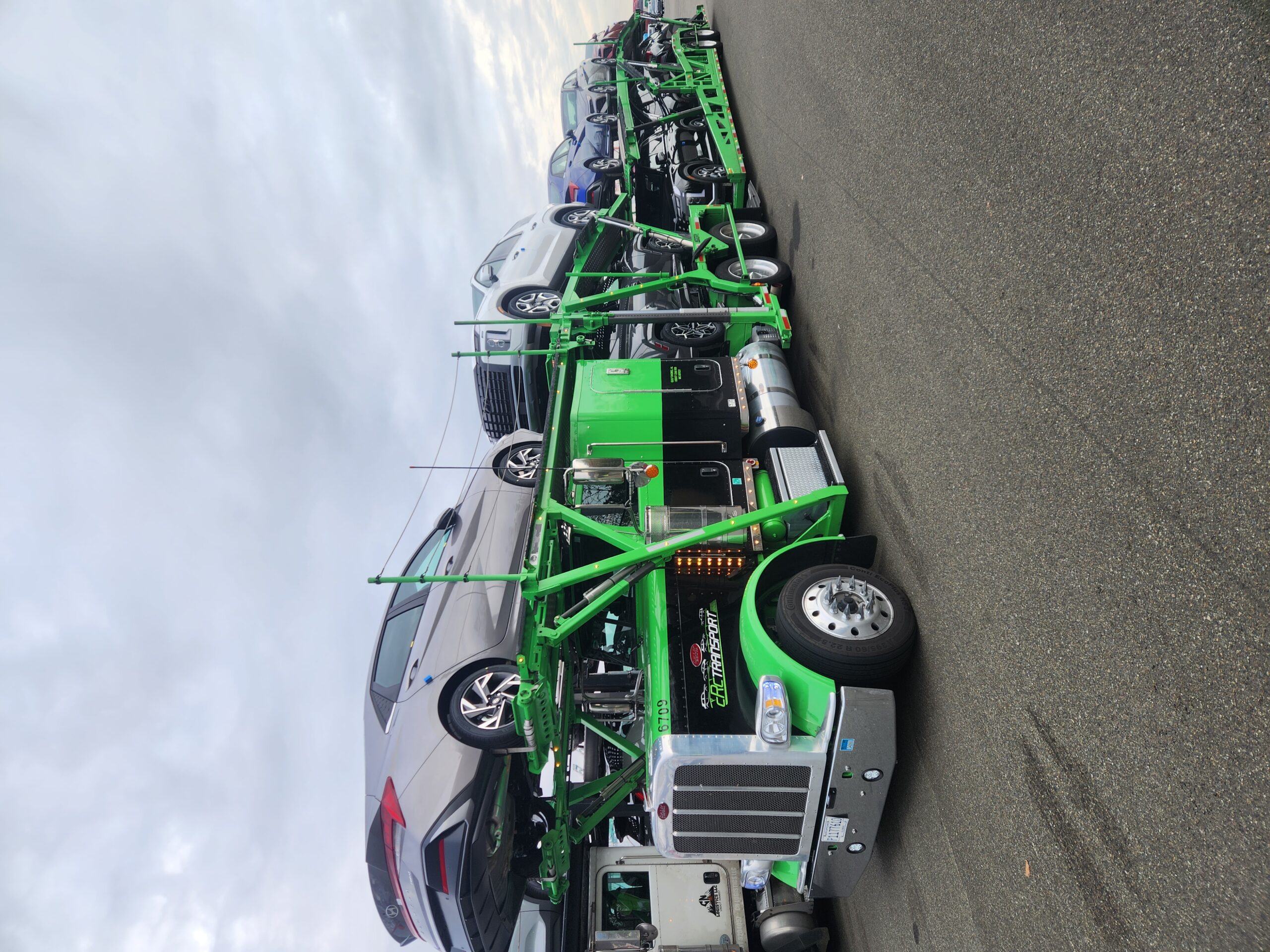
EV Logistics Challenges for OEMs in 2026
EV logistics challenges for OEMs in 2026 are fundamentally different from traditional internal combustion vehicle distribution.
As electric vehicle production scales across the United States, logistics networks must adapt to heavier units, regulatory scrutiny, specialized handling requirements, and increased risk exposure. What worked for ICE distribution does not automatically translate to EV transport efficiency.
For OEM logistics leaders, EV distribution is no longer an extension of standard vehicle shipping – it is a distinct operational discipline.
1. Increased Vehicle Weight and Load Configuration Limits
One of the most immediate challenges in EV transport is weight.
Electric vehicles typically weigh significantly more than comparable ICE models due to battery packs. This impacts:
- Axle load distribution
- Total gross vehicle weight limits
- Carrier equipment configuration
- Number of units per load
Heavier vehicles often reduce total load capacity on multi-vehicle carriers. In some corridors, fewer EVs can be loaded per trailer compared to traditional vehicles.
This affects:
- Cost per unit
- Equipment availability
- Route planning flexibility
Load simulation and weight balancing are becoming mandatory in EV lane planning.
2. Battery State of Charge Management
EV transport planning must account for battery state of charge.
OEMs must ensure vehicles:
- Maintain sufficient charge for unloading and yard movement
- Avoid over-discharge during transit
- Meet safety guidelines
Long-haul routes across states such as Texas, Arizona, Nevada, and California introduce environmental exposure factors including high temperatures.
Logistics teams must coordinate with production and staging facilities to align charge levels with expected transit duration.
3. Regulatory and Compliance Complexity
Although finished EVs are not typically classified as hazardous materials during transport, regulatory scrutiny has increased.
Compliance considerations include:
- Weight restrictions by state
- Documentation standards
- Environmental regulations
- Inspection frequency
States with strict emissions and transport enforcement policies may apply additional oversight.
OEMs must ensure carrier partners are fully compliant across multi-state routes.
4. Equipment Compatibility and Availability
Not all carriers are equipped or trained to handle EV distribution properly.
EV transport may require:
- Updated load securement protocols
- Modified ramp angles for low-clearance models
- Enclosed transport for premium units
- Dedicated capacity for high-value launches
Capacity shortages can occur during peak production waves, particularly when multiple OEMs scale EV output simultaneously.
Forward capacity forecasting is essential.
5. Increased Insurance Exposure
Higher vehicle values and battery replacement costs increase insurance exposure.
EV-related claim costs may include:
- High-voltage system repair
- Battery pack replacement
- Advanced sensor recalibration
- Software diagnostics
OEMs must evaluate:
- Carrier cargo insurance limits
- Claims processing speed
- Digital condition documentation practices
Risk-adjusted partner selection becomes critical.
6. Damage Prevention and Digital Documentation
EV exterior components such as sensors, cameras, and flush-mounted handles increase damage sensitivity.
Advanced driver assistance systems require calibration integrity.
Digital condition reports are increasingly standard to:
- Document VIN-level condition
- Capture timestamped photos
- Reduce dispute frequency
- Accelerate claims resolution
Structured inspection protocols reduce financial exposure and preserve dealer relationships.
7. Thermal and Environmental Exposure
Extreme temperatures affect battery performance and handling considerations.
In certain regions:
- Desert heat can accelerate battery stress
- Cold northern climates can reduce battery efficiency
- High humidity environments may require monitoring
While transport does not typically require active battery climate control, route planning should consider environmental stress exposure during long-haul transit.
8. Charging Infrastructure at Staging Facilities
As EV volumes increase, staging yards and processing centers must accommodate charging access.
Challenges include:
- Limited charging ports
- Queue management
- Load balancing across fleets
- Energy cost control
Transport planning intersects with infrastructure planning.
OEMs must align logistics partners with facilities prepared for EV throughput.
9. Launch Logistics Complexity
EV launches often involve:
- Confidential prototype movement
- Enclosed shipping requirements
- Compressed distribution timelines
- Dedicated drivers and secure handling
Launch logistics for EV models demand higher oversight compared to standard production flow.
The cost of delay or damage during launch distribution is significantly higher than routine shipments.
10. Sustainability Reporting Pressure
EV manufacturers are often evaluated not only on product emissions but also on supply chain sustainability.
Logistics partners must increasingly provide:
- Fuel efficiency reporting
- Route optimization transparency
- Empty mile reduction strategies
- Emissions data per shipment
EV distribution networks are expected to align with broader ESG objectives.
Key Metrics OEMs Should Track for EV Logistics
✔ Average EV transit time by lane
✔ Load capacity utilization
✔ Damage claim frequency
✔ Delivery variance range
✔ Battery charge coordination success rate
✔ Carrier compliance records
✔ Insurance exposure trends
Without structured metrics, EV logistics inefficiencies remain hidden.
Strategic Planning Recommendations for 2026
OEMs scaling EV production should:
- Define dedicated EV transport lanes
- Forecast equipment demand by quarter
- Implement VIN-level digital inspection protocols
- Evaluate insurance coverage thresholds
- Monitor state-level regulatory developments
- Integrate transport data into supply chain analytics systems
EV growth amplifies logistical complexity. Planning discipline must scale with production volume.
The CRC Transport EV Logistics Framework
CRC Transport supports EV distribution with:
Weight-Aware Load Planning
- Axle distribution evaluation
- Equipment compatibility checks
- Capacity optimization
Digital Documentation
- VIN-level condition reporting
- Timestamped inspections
- Claims transparency
Real-Time Monitoring
- GPS tracking
- Predictive ETA modeling
- Exception alerting
This structured approach supports OEMs navigating evolving EV transport requirements across U.S. corridors.
FAQ: EV Logistics for OEMs
Are EVs more expensive to transport?
Per unit cost can increase due to weight limits and insurance exposure, but structured planning mitigates impact.
Do EVs require enclosed transport?
Not always, but premium models or launch units often justify enclosed shipping.
Is EV transport regulated differently than ICE vehicles?
Weight and compliance scrutiny may increase, especially across state lines.
Does battery charge need monitoring during transit?
Charge coordination is important to ensure unloading readiness and prevent operational delays.
What is the biggest EV logistics challenge in 2026?
Balancing growing production volume with capacity, compliance, and risk management.
Final Perspective
EV logistics in 2026 is no longer an experimental extension of traditional vehicle transport.
It is a high-stakes operational discipline requiring structured load planning, regulatory awareness, digital transparency, and predictive capacity management.
OEMs that proactively adapt their logistics frameworks to EV-specific challenges will maintain delivery stability, protect margin, and support sustainable growth across evolving U.S. automotive markets.
Reliable Experts in Automotive Transportation
Have any questions or wish to Schedule a pickup today?
Related Posts
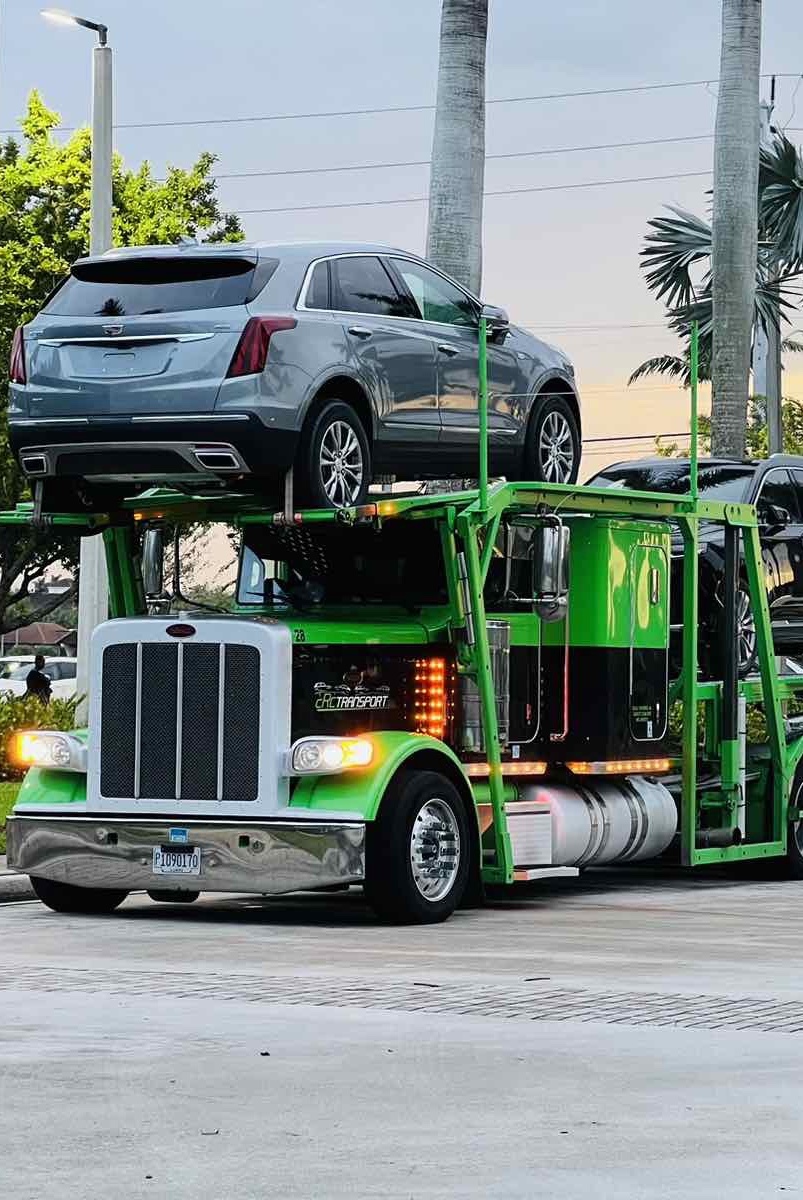
Building Success Together: CRC Transport’s Q3 Review with Mitsubishi Motors
The CRC Transport team was privileged to be hosted by Mitsubishi Motors North America for our Q3 KPI review. It was a productive session that reinforced our partnership and aligned our focus for the road ahead. We discussed current performance, upcoming projections, and the challenges and opportunities that come with closing out a strong year. […]
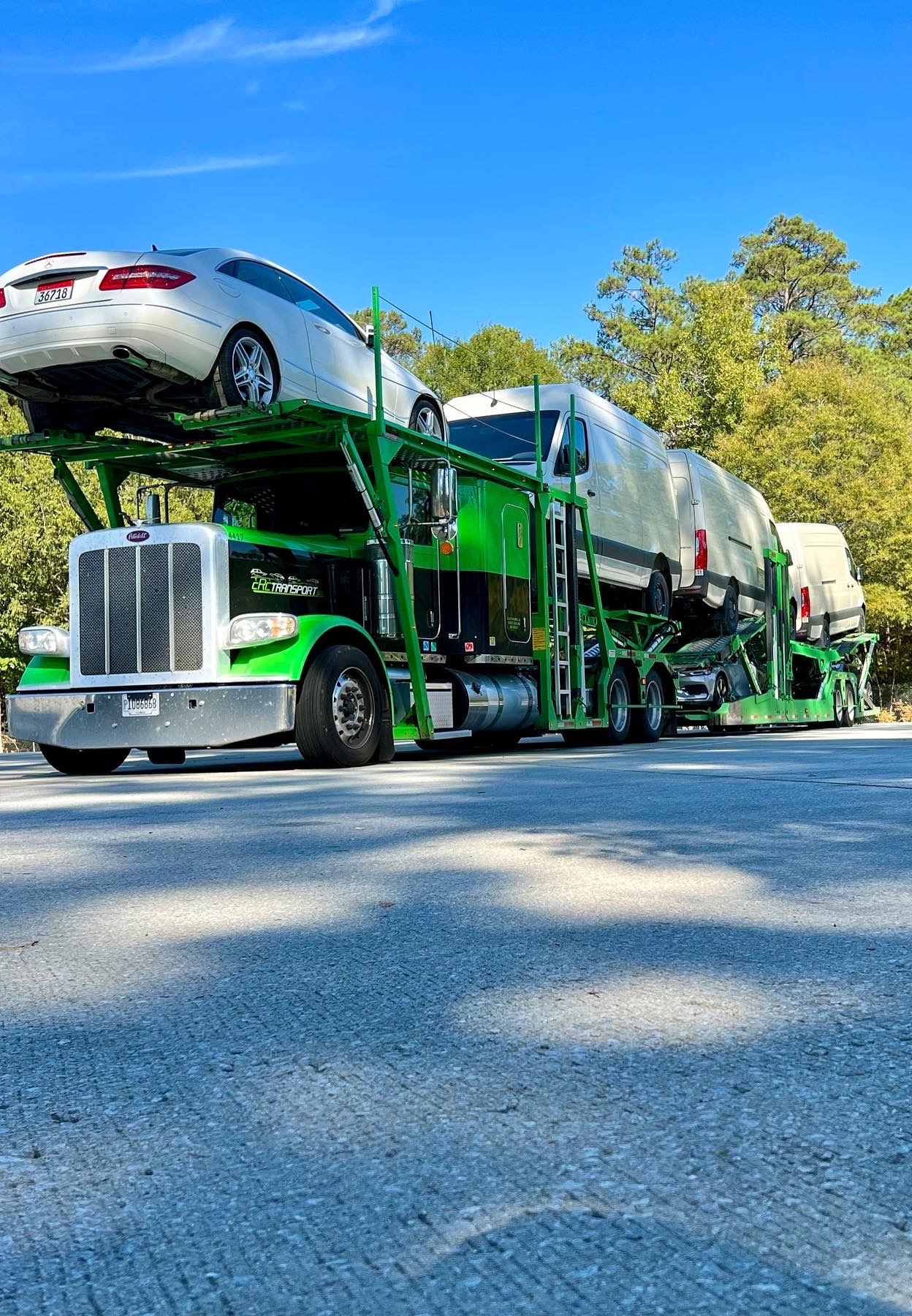
How Integrated Transport Software Improves Dealer Coordination
In today’s competitive automotive market, dealerships face the challenge of managing inventory efficiently across multiple locations while keeping customers satisfied. Using integrated transport software has become essential for dealers seeking to streamline operations, reduce costs, and maintain visibility over vehicle shipments. With solutions that combine route planning, carrier management, and real-time tracking, dealerships can coordinate […]

Merry Christmas and Happy New Year from CRC Transport!✨
Brace yourselves, because the magic is on its way! Our CRC Transport trucks are loaded with nothing but positive vibes, joy, and good energy, and headed straight to you! ✨
From our CRC family to yours, we extend our heartfelt wishes for a magical holiday season! 🎁✨
Merry Christmas and Happy New Year!
Car Shipping for Classic and Luxury Vehicles: Ensuring Safe Transport with Open Carriers
Transporting classic and luxury vehicles demands extra care, especially when you’re not using enclosed trailers. Fortunately, open transport remains a safe, reliable, and cost-effective solution – if you choose the right partner.
