
How to Reduce Vehicle Damage During Long-Haul Transport
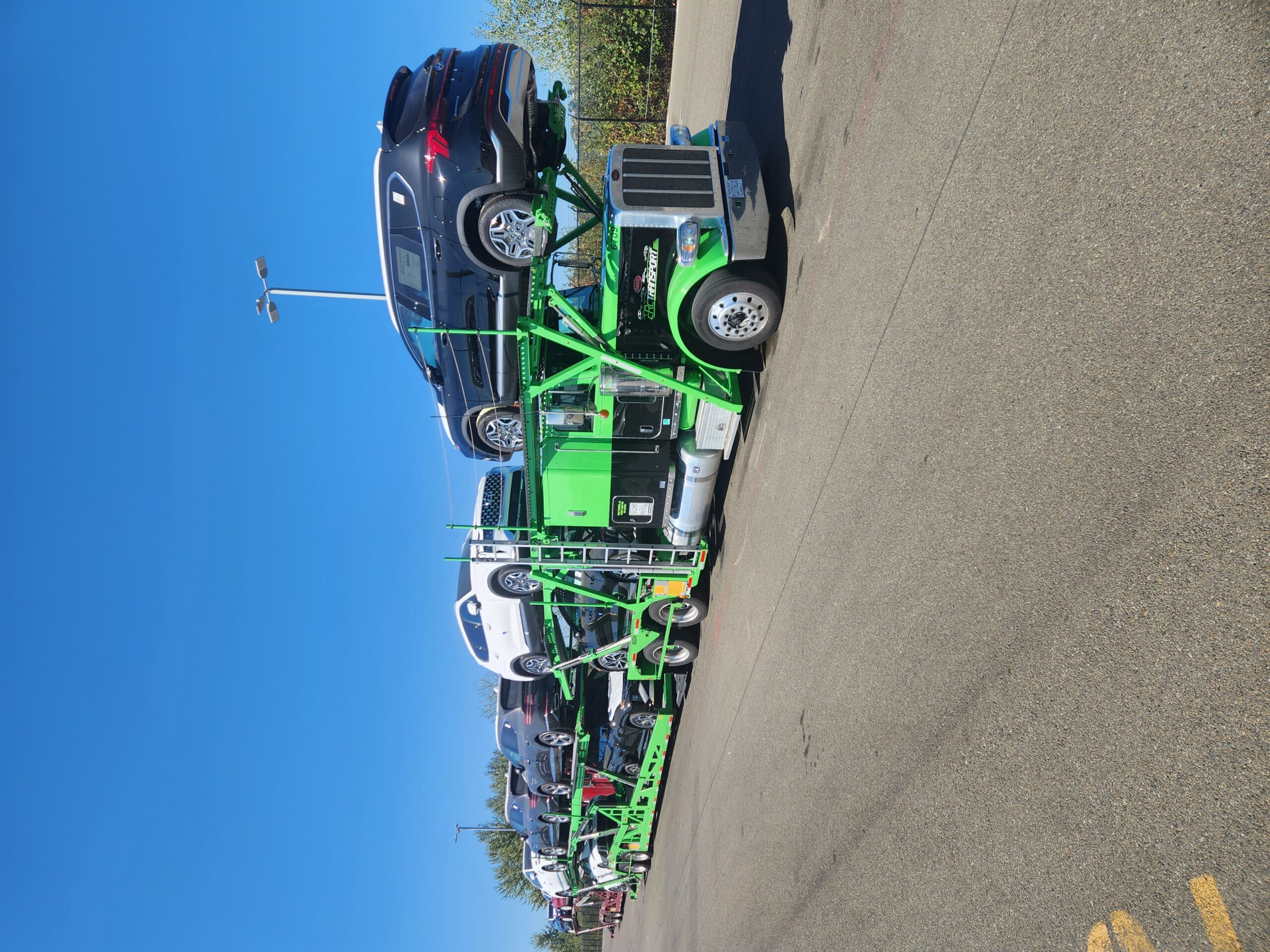
How to Reduce Vehicle Damage During Long-Haul Transport
Reducing vehicle damage during long-haul transport is one of the most critical operational priorities for OEMs and high-volume dealerships in 2026.
Even minor cosmetic damage can delay lot readiness, increase floorplan exposure, trigger insurance claims, and affect dealer satisfaction. Over long distances, risk exposure compounds due to weather, road conditions, handling frequency, and loading variability.
Long-haul damage prevention is not based on a single tactic. It requires structured planning, disciplined loading protocols, real-time visibility, and data-driven oversight.
Why Long-Haul Transport Increases Damage Risk
Shipments traveling across multiple states face:
- Extended road vibration exposure
- Weather variability
- Multiple inspection checkpoints
- Route surface inconsistencies
- Driver fatigue risk
- Equipment configuration stress
Longer transit duration increases cumulative risk probability.
Damage prevention must begin before the vehicle is loaded.
1. Implement Structured Pre-Load Inspection Protocols
Damage disputes often originate from unclear baseline documentation.
Best practice includes:
- VIN verification
- High-resolution photo capture from all angles
- Time-stamped digital condition reports
- Clear annotation of pre-existing marks
- Digital signature confirmation
Digital inspection systems create objective documentation and reduce ambiguity at delivery.
Consistent pickup inspection reduces claim disputes downstream.
2. Optimize Load Configuration and Weight Distribution
Improper load balance increases movement stress during transit.
Key considerations include:
- Even axle distribution
- Placement of heavier EVs on lower decks
- Securing low-clearance vehicles properly
- Avoiding over-tightening that stresses suspension
Load planning software and experienced carrier crews significantly reduce structural movement during long-haul trips.
Equipment compatibility matters.
3. Select Carriers with Long-Haul Experience
Not all carriers specialize in extended interstate transport.
Long-haul routes require:
- Experienced drivers
- Properly maintained equipment
- Knowledge of regional terrain
- Weather-aware routing
- Compliance familiarity across states
Carrier performance history should include:
- Damage frequency metrics
- Insurance transparency
- Claims resolution speed
Lowest rate often correlates with elevated risk.
4. Use Digital Condition Reports at Delivery
Damage prevention includes fast detection.
At delivery, digital condition verification should include:
- Before and after photo comparison
- VIN-level documentation access
- Time-stamped signatures
- Immediate exception reporting
Faster reporting reduces claim friction and prevents secondary damage during staging.
Documentation integrity protects both OEM and dealer.
5. Incorporate Predictive Route Planning
Certain corridors historically experience:
- Rough pavement conditions
- Severe weather patterns
- High congestion zones
- Mountain elevation stress
Data-driven route optimization evaluates:
- Historical claim data
- Seasonal disruption patterns
- Traffic density models
- Weather forecasts
Route selection influences damage exposure.
Predictability reduces mechanical stress and delivery variance.
6. Manage Environmental Exposure
Long-haul shipments may cross:
- Desert heat zones
- Snow-prone northern corridors
- Coastal humidity regions
- Heavy rainfall areas
Environmental considerations include:
- Protective coverings for sensitive components
- Monitoring extreme temperature routes
- Adjusting scheduling during severe storms
While open carriers remain standard for most inventory, enclosed transport should be considered for:
- High-value vehicles
- Specialty trims
- Early release models
- EV launch units
Protection level should match vehicle risk profile.
7. Reduce Handling Touchpoints
Each transfer increases exposure.
To reduce handling risk:
- Avoid unnecessary hub transfers
- Limit intermediate yard staging
- Use direct long-haul routing when possible
- Integrate multi-stop delivery within single loads
Fewer touchpoints mean fewer opportunities for minor cosmetic damage.
8. Monitor Driver Workload and Compliance
Fatigue increases operational risk.
Carrier compliance with federal Hours of Service regulations reduces:
- Fatigue-related incidents
- Improper securement checks
- Rushed unloading procedures
Professional carriers with compliance discipline reduce long-haul risk variance.
9. Analyze Damage Trends Over Time
Aggregated digital condition data reveals patterns.
Supply chain teams should monitor:
- Damage frequency by lane
- Carrier-specific claim ratios
- Seasonal variation trends
- Vehicle-type correlation
If a specific route shows elevated cosmetic claims, corrective action can include:
- Route adjustment
- Load configuration modification
- Equipment reassignment
- Additional inspection layers
Prevention is driven by analytics.
10. Align Insurance Coverage with Vehicle Value
High-value vehicles and EVs increase exposure.
Dealers and OEMs should verify:
✔ Adequate cargo insurance limits
✔ Clear claims escalation procedures
✔ Digital documentation support
✔ Defined liability timelines
Strong documentation reduces dispute duration and financial uncertainty.
Damage Prevention Checklist for OEMs and Dealers
✔ Digital pre-load inspection
✔ Balanced load configuration
✔ Long-haul experienced carriers
✔ Predictive route optimization
✔ Environmental risk evaluation
✔ VIN-level delivery documentation
✔ Claims frequency tracking
✔ Adequate insurance coverage
Damage reduction is a system, not a reaction.
The CRC Transport Damage Prevention Framework
CRC Transport integrates structured damage mitigation through:
Load Engineering
- Weight-balanced configuration
- EV placement planning
- Equipment compatibility review
Digital Documentation
- VIN-level inspections
- Timestamped condition reporting
- Transparent claims process
Real-Time Oversight
- GPS monitoring
- Exception alerts
- Weather-aware routing adjustments
This disciplined approach reduces claim frequency and protects dealer and OEM margin across long-haul U.S. corridors.
FAQ: Long-Haul Vehicle Damage Prevention
Is long-haul transport riskier than regional shipping?
Risk increases with distance and exposure time, but structured planning significantly mitigates it.
Does enclosed transport eliminate damage risk?
No, but it reduces exposure to environmental elements and debris.
How important are digital condition reports?
They are critical for reducing disputes and accelerating claim resolution.
Can route choice really impact damage rates?
Yes. Road quality and environmental exposure influence mechanical stress.
What is the most common cause of minor damage?
Improper securement, handling variability, and environmental debris exposure.
Final Perspective
Long-haul vehicle damage is not inevitable.
With disciplined load planning, digital documentation, experienced carriers, predictive routing, and continuous data analysis, OEMs and dealerships can significantly reduce claim frequency and protect operational stability.
In 2026 and beyond, damage prevention is a measurable performance indicator, not a reactive response.
Reliable Experts in Automotive Transportation
Have any questions or wish to Schedule a pickup today?
Related Posts
Exciting Fleet Expansion: Welcome Our New Peterbilt 589 Model Trucks!
Exciting News!🥳
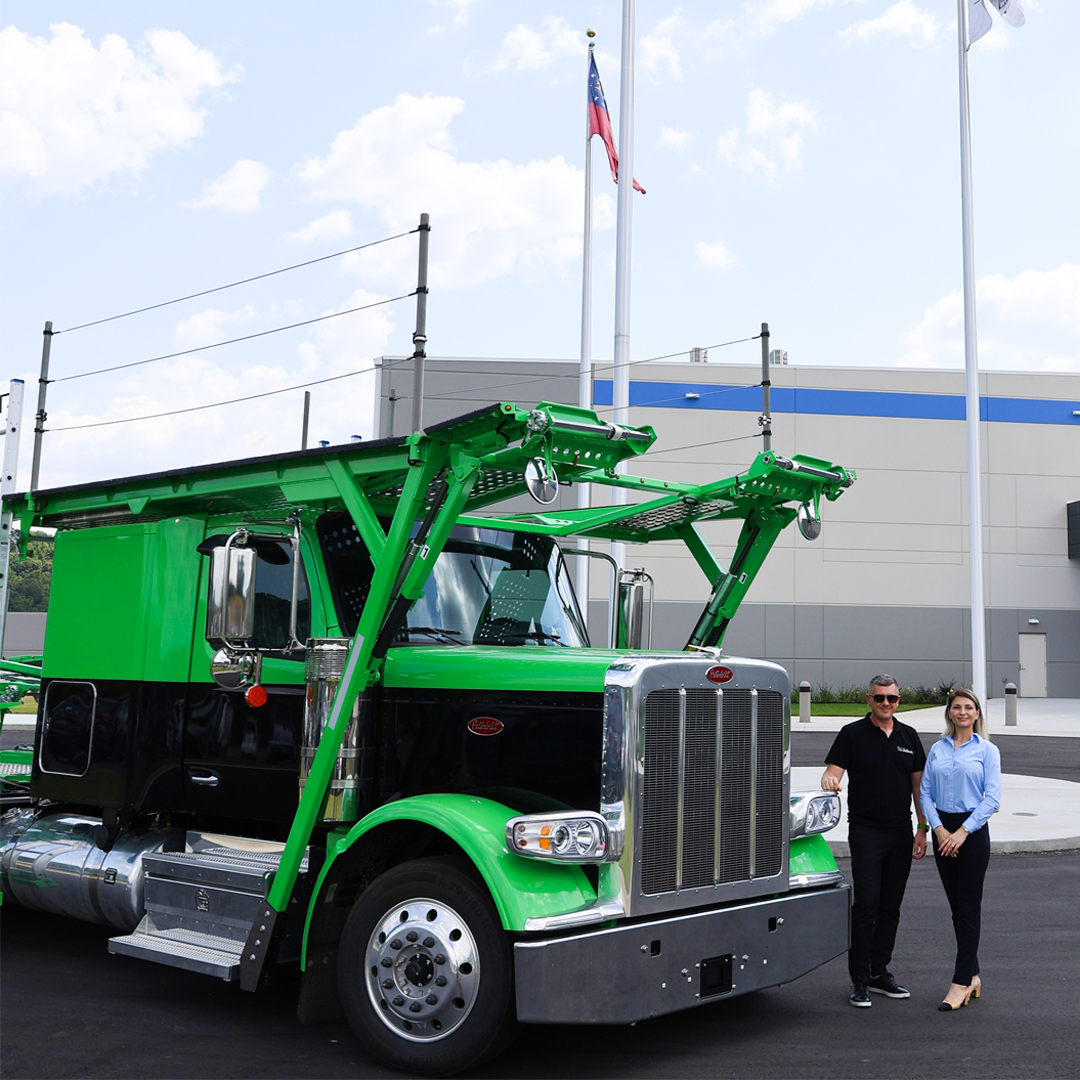
Our fleet has just expanded with the arrival of the latest Peterbilt 589 Model trucks, along with Cottrell trailers and Headramp. We are beyond excited about this development!

How Data Improves Carrier Performance Evaluation
Carrier performance evaluation in automotive logistics can no longer rely on anecdotal feedback or rate comparison alone.
Digital Condition Reports: Reducing Damage Claims and Streamlining Delivery
In 2026 and beyond, paper-based inspection forms and manual documentation processes create risk, delay claims resolution, and increase administrative cost. VIN-level digital documentation improves transparency, accelerates dispute handling, and strengthens accountability across the vehicle distribution chain.
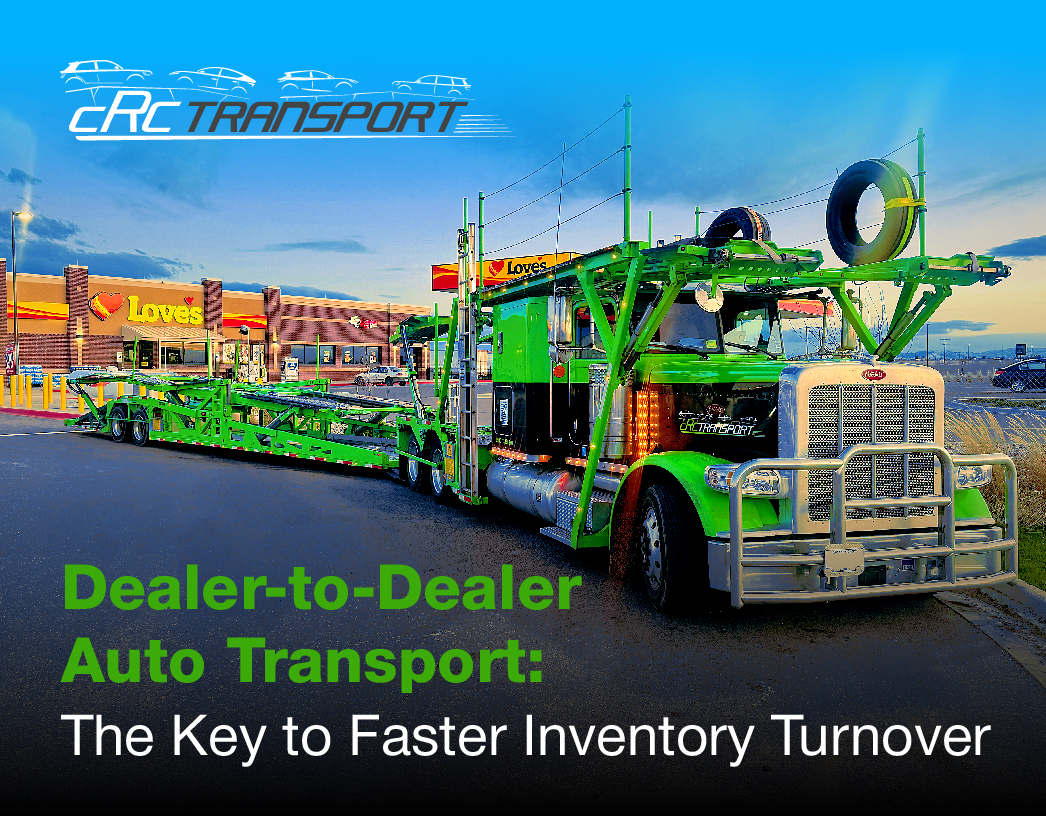
Dealer-to-Dealer Auto Transport: The Key to Faster Inventory Turnover
In today’s competitive automotive market, faster inventory turnover is essential for staying profitable. For dealerships, the ability to quickly move vehicles between locations can mean the difference between closing a sale or losing a customer.
