How Transport Scheduling Impacts Dealer Profitability – and How to Optimize It
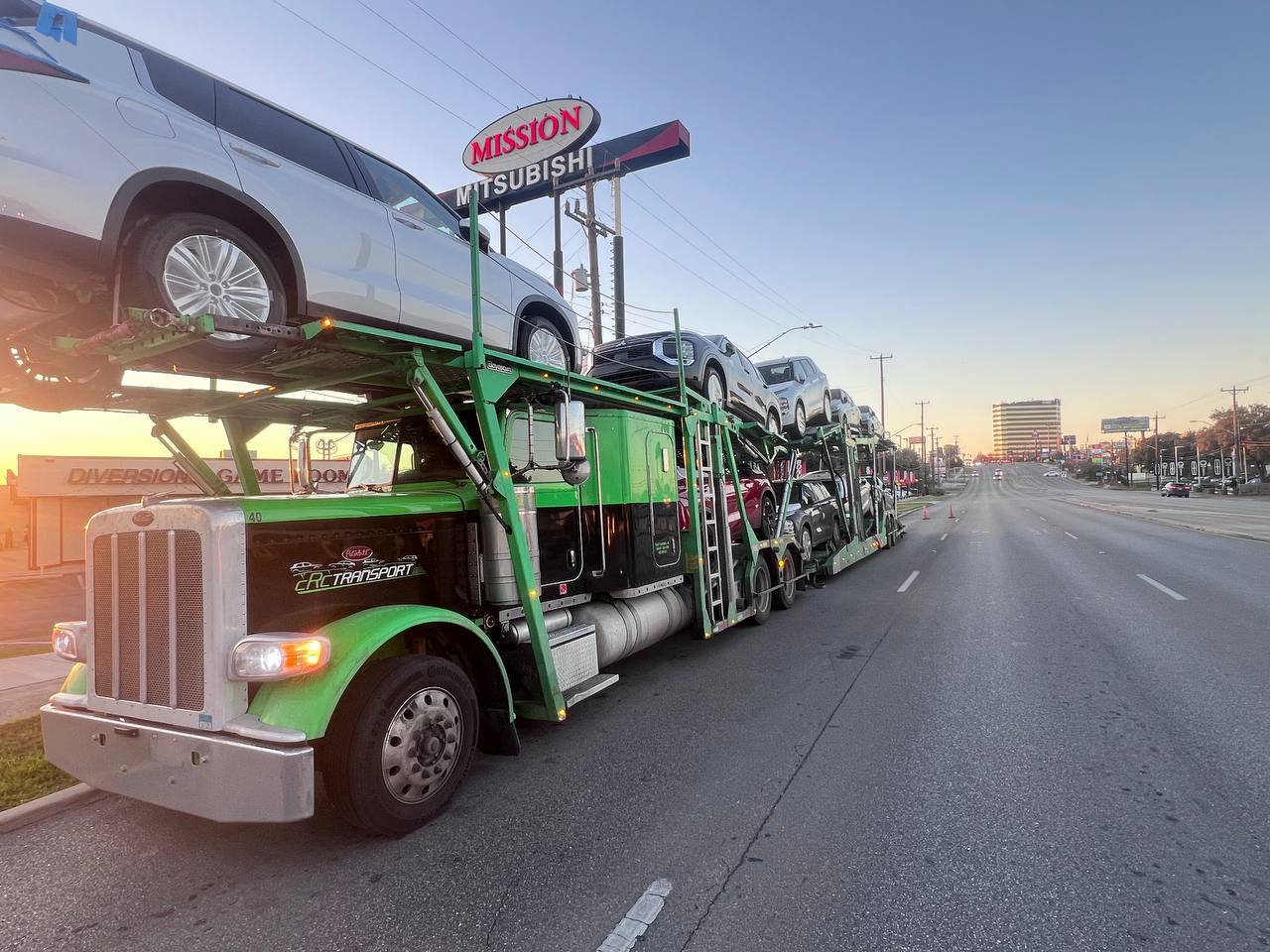
In today’s highly competitive automotive market, dealers operate on thin margins and tight timelines. Every day a vehicle sits off the lot — whether at an auction, another dealership, a port, or a distribution hub — represents lost revenue and increased holding costs. Transport isn’t just a logistical function anymore; it’s a strategic lever that directly affects profitability.
One of the most overlooked areas that influences dealership performance is transport scheduling. When scheduling is inefficient, unpredictable, or misaligned with dealership operations, profitability drops in ways many managers don’t immediately notice. On the other hand, optimized transport scheduling accelerates retail readiness, reduces operational waste, and improves overall revenue flow.
Let’s break down exactly how scheduling impacts profitability — and what dealerships can do to optimize it.
Transport scheduling defines your inventory velocity
Dealership profitability depends on how quickly vehicles move through the pipeline:
- Acquisition
- Transport
- Arrival
- Recon
- Merchandising
- Online listing
- Retail availability
Scheduling is the bridge between acquisition and retail readiness. If vehicles are not transported promptly or efficiently, inventory velocity slows down.
Even a 48-hour delay in pickup or delivery can push a sale to the next month, extend floorplan expenses, and shift marketing windows. Dealers often underestimate how much scheduling affects cash flow until they calculate the cost of vehicle aging.
Inefficient scheduling increases floorplan and holding costs
When transport schedules are inconsistent, dealerships face:
- Higher floorplan expenses
- Additional insurance and holding fees
- Delayed recon timelines
- Longer time-to-lot cycles
- Lost sales opportunities
Holding a vehicle for just 7–10 extra days can cost significantly more than the transport rate itself. For dealers with high turnover, poor scheduling can quietly add tens of thousands of dollars per month in unnecessary carrying costs.
Impact on recon and merchandising workflows
Transport delays create a domino effect inside the dealership. Recon teams need predictable arrival times to plan inspections, mechanical checks, detailing, and photography.
Unpredictable scheduling causes:
- Idle recon labor
- Overloaded service bays during peak arrivals
- Delayed photography and merchandising
- Inaccurate online listings
- Inventory mismatches in the CRM and DMS
A car that isn’t delivered on time cannot be put through recon — and without recon, it cannot be listed. Every stage depends on the previous one.
Optimized scheduling ensures that teams work in sync instead of reacting to unexpected changes.
Better scheduling improves customer experience and appointment accuracy
Retail customers rely on accurate information. Whether it’s an incoming trade-in replacement, a factory-order delivery, or a used unit purchased online, transport delays impact customer trust.
Poor scheduling leads to:
- Missed delivery promises
- Rescheduled appointments
- Lower CSI scores
- Reduced confidence in dealership processes
Dealers who consistently meet promised delivery windows are more likely to retain customers and close repeat business.
Transport scheduling affects dealership marketing strategy
If vehicles don’t arrive on time, dealers miss marketing opportunities such as:
- Weekend sale events
- Holiday promotions
- End-of-month campaigns
- Seasonal pushes
- Limited-time financing offers
When inventory doesn’t land as planned, campaigns lose momentum and become less effective — costing dealerships both marketing spend and potential revenue.
Optimized scheduling supports smarter inter-store transfers
Many dealership groups rely on inter-store transfers to balance inventory and meet customer requests.
But poorly scheduled transport creates:
- Overloaded locations
- Understocked stores
- Longer customer wait times
- Misaligned sales forecasts
Efficient scheduling ensures that transfers happen at the right time, matching supply with demand across all rooftops.
How dealerships can optimize transport scheduling
Dealers can significantly improve profitability by focusing on several key areas within their scheduling strategy.
1. Centralize all transport coordination
Many dealerships manage transport at the department level — sales, used car managers, BDC, or inventory managers arranging their own pickups. This leads to scattered communication and inefficient scheduling.
Centralizing scheduling improves:
- Route planning
- Carrier utilization
- ETA accuracy
- Internal communication
A structured process reduces bottlenecks and increases operational control.
2. Use data from previous transports to predict optimal timing
Dealers should track:
- Lane performance
- Average pickup times
- Typical travel duration
- Seasonal fluctuations
- Carrier reliability
Using historical data enables better forecasting and scheduling at a lower cost.
3. Choose transport partners with strong dispatch coordination
Reliable partners offer:
- Professional dispatch teams
- Multi-lane route coverage
- Proactive communication
- Accurate ETAs
- Scalable capacity
These qualities lead to predictable scheduling and fewer operational delays.
4. Leverage real-time tracking to align internal operations
Modern tracking tools eliminate unknowns by showing:
- Current load location
- Expected delivery window
- Route status
- Delay notifications
With real-time data, dealers can time recon, pricing, and merchandising more effectively.
5. Plan transport in alignment with auction schedules
Dealers who buy regularly at auctions should integrate:
- Sale day timing
- Post-sale inspection availability
- Gate release windows
- Carrier staging capacity
Proper alignment prevents units from sitting days before pickup — a major cause of aging.
6. Reduce last-minute requests when possible
Dealers often request urgent pickups, which disrupt schedules and increase transport costs. A consistent, proactive scheduling rhythm helps:
- Secure better rates
- Achieve faster pickups
- Improve operational efficiency
Absolutely urgent loads will always exist, but reducing avoidable rush orders saves money.
7. Build long-term partnerships instead of one-off bookings
Working with consistent transport partners leads to:
- Priority scheduling
- Predictable capacity
- Better communication
- Higher accountability
- Lower operational costs
Dealers who rely on ad-hoc carriers rarely achieve operational consistency.
Final thoughts
Transport scheduling plays a pivotal role in dealership profitability — far more than many managers realize. From floorplan savings and faster retail readiness to improved operational flow and better customer satisfaction, optimized scheduling directly boosts the bottom line.
Dealers who treat scheduling as a strategic function rather than a logistical afterthought consistently outperform competitors. Professional partners, modern tracking, and efficient planning create the kind of predictable, streamlined logistics that support long-term financial success.
Reliable Experts in Automotive Transportation
Have any questions or wish to Schedule a pickup today?
Related Posts
Why Inventory Turnover Depends on Transport Efficiency – A Dealer’s Guide
For dealerships, inventory turnover is one of the most important performance metrics. Every additional day a vehicle stays off the lot increases holding costs, delays reconditioning, slows sales velocity, and impacts profitability. While dealers focus heavily on acquisitions, pricing, and merchandising, one factor often gets overlooked: transport efficiency. The time between purchasing a vehicle and […]
Reinventing Car Hauling Contracts: Flexibility and Transparency for Dealers
In the ever-evolving automotive industry, dealerships face increasing pressure to move vehicles efficiently while keeping costs predictable. Traditional car hauling contracts often come with rigid terms and hidden fees, which can lead to inefficiencies and frustration. Modern dealerships are now turning to flexible and transparent agreements with trusted transport partners to gain better control over […]
Why Multi-Location Dealership Groups Need Centralized Transport Coordination
As dealership groups expand across multiple rooftops, their logistics challenges grow just as quickly. Moving vehicles between locations, managing auction purchases, balancing inventory, and coordinating recon all become significantly more complex. Without a centralized transport strategy, inefficiencies multiply — and so do costs. For multi-store dealer groups, transport isn’t just a support function. It’s a […]
OEM Allocation & Program Logistics: Why Your Transport Partner Matters More Than Ever
OEM allocation programs depend on precision, consistency, and speed. Whether you’re managing factory-to-dealer shipments, model year rollouts, or inventory balancing between rooftops, delays in transport can disrupt timelines and impact profit margins. That’s why working with the right automotive car transport provider is more critical than ever.
