
Leveraging Data Analytics to Optimize Automotive Supply Chains
Leveraging Data Analytics to Optimize Automotive Supply Chains
Data analytics is becoming the central operating layer of modern automotive supply chains.
In 2026 and beyond, OEMs and high-volume dealer groups are no longer relying on historical averages or manual reporting to guide logistics decisions. Instead, they are leveraging real-time performance data, predictive modeling, and VIN-level tracking to reduce cost, mitigate risk, and accelerate inventory flow.
Automotive supply chains are complex networks involving:
- Production facilities
- Ports and rail hubs
- Vehicle processing centers
- Long-haul carriers
- Regional distribution routes
- Dealership networks
Without structured analytics, inefficiencies remain hidden. With data intelligence, supply chains become measurable, adaptable systems.
Why Data Visibility Is Now Strategic
Automotive logistics faces increasing volatility:
- EV production scaling
- Regional manufacturing shifts
- Weather disruptions
- Capacity fluctuations
- Regulatory changes
- Dealer demand variability
Data analytics allows organizations to move from reactive problem-solving to predictive optimization.
Instead of asking what went wrong, teams ask what is likely to happen next.
1. Lane Performance Analytics
One of the most impactful uses of analytics is lane performance evaluation.
Metrics typically include:
- Average transit time
- Delivery variance
- Claim frequency
- Cost per mile
- Seasonal disruption patterns
By analyzing lane-level data, OEMs can:
- Identify high-risk corridors
- Adjust routing strategies
- Reallocate carrier capacity
- Improve delivery predictability
For high-volume routes such as Michigan to Texas or Georgia to California, performance variance analysis directly impacts planning accuracy.
2. VIN-Level Tracking Intelligence
VIN-specific data transforms transport oversight.
With structured analytics, supply chain teams can evaluate:
- Shipment lifecycle timing
- Dwell time at staging facilities
- Transfer frequency
- Damage incident history
- Delivery consistency
VIN-level insights enable:
- Faster exception detection
- Claims pattern recognition
- More accurate ETA modeling
This improves coordination between production, logistics, and dealer operations.
3. Predictive Demand Alignment
Data analytics connects transport planning with retail performance.
By integrating:
- Dealer sales velocity
- Inventory turnover rates
- Regional demand trends
- Seasonal buying patterns
OEMs can:
- Adjust distribution flow dynamically
- Rebalance inventory across markets
- Avoid overstock and understock scenarios
Supply chain optimization is no longer separate from retail analytics.
4. Risk Modeling and Mitigation
Advanced analytics models incorporate:
- Weather forecasting
- Traffic congestion patterns
- Historical disruption data
- Insurance claim trends
- Carrier performance records
This enables risk-adjusted routing decisions rather than purely distance-based routing.
Reduced risk leads to:
- Lower claims frequency
- Fewer delivery delays
- Improved dealer satisfaction
- Reduced floorplan exposure
Risk analytics is increasingly embedded into transport decision logic.
5. Capacity Forecasting
Automotive distribution experiences predictable volume cycles:
- Model year launches
- Incentive campaigns
- Auction peaks
- Recall events
- EV release waves
Analytics-driven capacity forecasting helps:
- Pre-position equipment
- Avoid spot market pricing
- Secure dedicated carrier capacity
- Improve planning stability
Capacity intelligence prevents reactive dispatching under time pressure.
6. Damage Trend Analysis
Aggregated condition report data reveals patterns that manual review misses.
Supply chain teams can analyze:
- Damage frequency by lane
- Carrier-specific incident rates
- Seasonal impact trends
- Load configuration correlation
With this data, organizations can:
- Adjust load sequencing
- Improve inspection protocols
- Select higher-performing carrier partners
- Reduce insurance exposure
Damage reduction directly protects margin across the network.
7. Inventory Velocity Optimization
Inventory sitting in transit increases financial pressure.
Analytics can measure:
- Average days from plant release to dealer lot
- Dwell time at processing centers
- Transfer delays
- Recon cycle timing
When supply chain data integrates with dealership systems, teams can:
- Shorten overall lifecycle time
- Improve floorplan cost control
- Accelerate retail readiness
Speed alone is not the goal. Reduced variance is.
8. Sustainability and Emissions Reporting
Many OEMs now require measurable environmental reporting.
Analytics supports:
- Fuel efficiency tracking
- Empty mile reduction measurement
- Route clustering optimization
- Per-unit emissions reporting
Sustainability metrics are becoming procurement criteria in logistics partnerships.
9. API Integration and Data Infrastructure
Data analytics is only as powerful as its integration.
Modern automotive supply chains depend on:
- API-compatible transport systems
- ERP integration
- Transportation Management Systems
- Dealer Management Systems
- Centralized reporting dashboards
Without integration, data remains siloed.
With integration, analytics becomes operational intelligence.
Key Metrics Every Automotive Supply Chain Should Monitor
✔ Average transit time by lane
✔ Delivery variance range
✔ VIN-level dwell time
✔ Claim frequency rate
✔ Cost per mile trend
✔ Capacity utilization
✔ Empty mile percentage
✔ Emissions per shipment
These metrics convert logistics from a cost center into a controllable performance engine.
The CRC Transport Data-Driven Model
CRC Transport integrates structured analytics into automotive transport operations through:
Lane Evaluation
- Historical transit performance analysis
- Risk-adjusted route planning
- Seasonal disruption modeling
Real-Time Monitoring
- VIN-level tracking
- Predictive ETA updates
- Exception alerting
Continuous Optimization
- Claims trend analysis
- Carrier performance scoring
- Route clustering refinement
By combining operational execution with structured data evaluation, CRC supports OEMs and dealer groups seeking measurable supply chain improvement.
FAQ: Data Analytics in Automotive Supply Chains
Is data analytics only useful for large OEMs?
High-volume networks benefit most, but dealer groups also gain measurable improvement through lane and transit analysis.
Does analytics reduce transport cost directly?
It reduces variance, claims, and inefficiencies – which indirectly lowers total cost.
What is the first step toward analytics adoption?
Begin tracking lane-level transit time and delivery variance consistently.
How often should performance data be reviewed?
Monthly reviews are common, with real-time monitoring for active shipments.
Does analytics replace operational oversight?
No. It enhances decision-making while experienced planners manage complex scenarios.
Final Perspective
Automotive supply chains in 2026 are increasingly defined by data intelligence.
Visibility, predictive modeling, risk scoring, and integration across systems allow OEMs and dealer groups to move from reactive logistics to structured optimization.
Organizations that leverage analytics effectively will gain stronger delivery predictability, lower risk exposure, improved inventory velocity, and long-term operational stability.
Reliable Experts in Automotive Transportation
Have any questions or wish to Schedule a pickup today?
Related Posts

Merry Christmas & Happy New Year!
🎄✨ Merry Christmas & Happy New Year! ✨🎄 As 2025 comes to a close, we look back with gratitude. Thank you for being with us — for every collaboration, every trust placed in us, and for the partnerships that keep us moving forward. The holidays remind us that, no matter the distance, we stay connected […]
What Can You Leave in Your Car When Shipping It? Rules, Risks & Best Practices
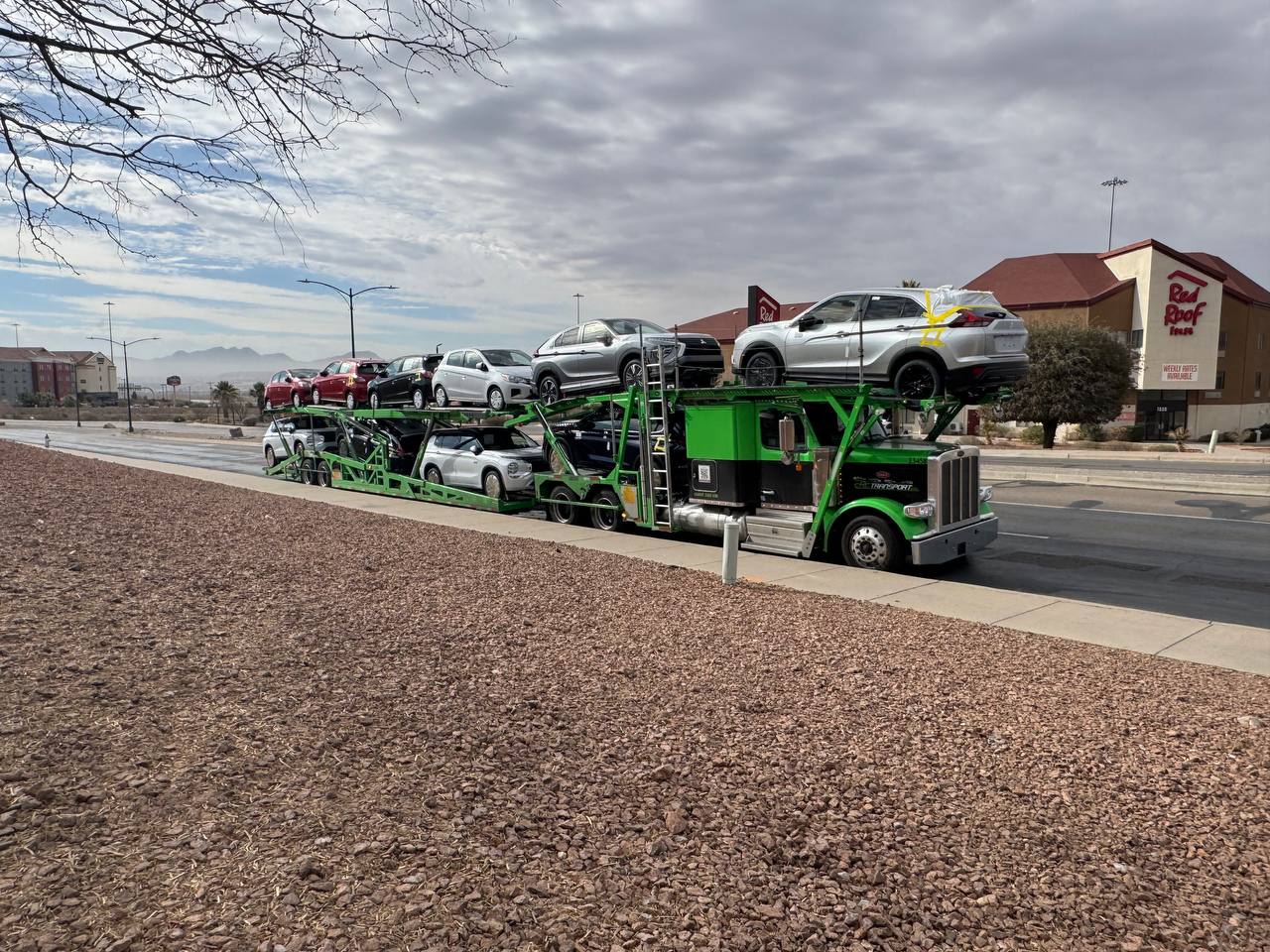
Shipping your vehicle across the country can be a convenient solution during a move, relocation, or seasonal travel. But many customers ask the same question: can you leave personal items inside the car when using a car transport service? The short answer is – it depends.
Open vs. Enclosed Auto Transport Which Option is Right for You?
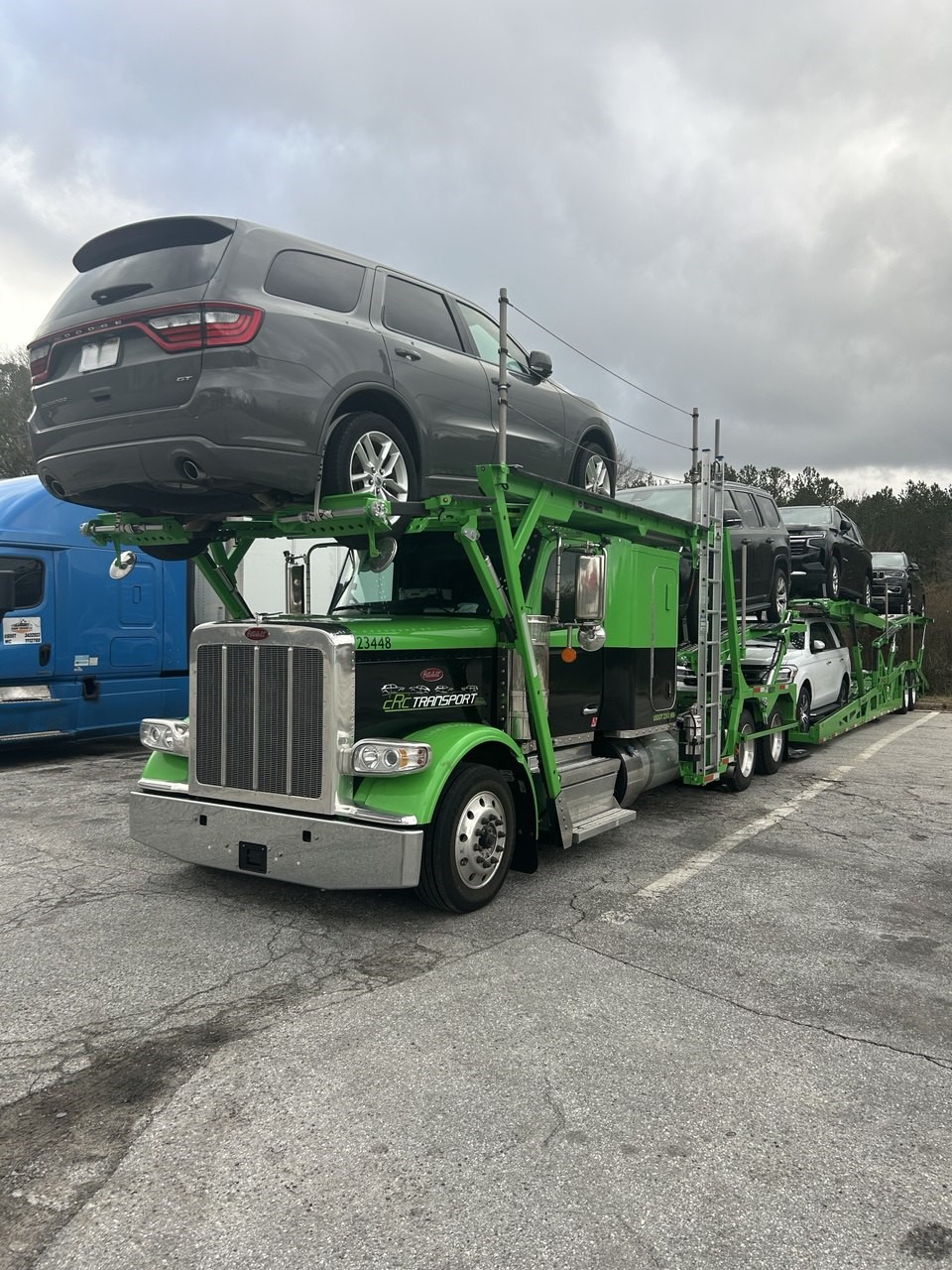
When shipping your vehicle, one of the biggest decisions you’ll face is choosing between open and enclosed auto transport. Both options have their advantages, but the right choice depends on your budget, vehicle type, and specific needs.
The Impact of Seasonal Demand on Car Shipping Rates for Dealers
Seasonal fluctuations play a major role in determining car shipping rates across the U.S. For auto dealers, understanding these trends can make the difference between optimized inventory turnover and unexpected transport expenses. The auto transport industry operates on patterns influenced by weather, regional demand, and market cycles, all of which affect carrier availability and pricing. […]
