Optimizing Auction-to-Dealer Vehicle Logistics
Optimizing Auction-to-Dealer Vehicle Logistics
Auction-to-dealer vehicle logistics is one of the most variable segments of automotive distribution.
In 2026, high-volume dealer groups increasingly source inventory from regional and out-of-state auctions to balance demand, manage margins, and expand acquisition radius. However, unstructured auction logistics leads to higher freight cost, extended dwell time, delivery variance, and increased floorplan exposure.
Auction transport must be planned strategically, not reactively.
Optimized flow protects margin and accelerates retail readiness.
Why Auction Logistics Is Operationally Sensitive
Auction purchases introduce unique challenges:
- Irregular volume patterns
- Multi-origin pickups
- Variable release timing
- Yard congestion
- Condition uncertainty
- Long-haul interstate transport
Unlike OEM distribution, auction flow is less predictable.
Without structured coordination, cost volatility increases.
1. Batch Purchases for Consolidation Efficiency
Single-unit dispatch from auction locations increases per-unit freight cost.
Best practice includes:
- Grouping purchases by location
- Scheduling pickup waves
- Coordinating release timing
- Aligning volume with carrier capacity
Multi-vehicle consolidation reduces:
- Partial-load premiums
- Empty miles
- Dispatch fragmentation
Scale improves cost control.
2. Pre-Schedule Carrier Pickup Windows
Auction yards often experience congestion and release delays.
Dealers should:
- Coordinate release confirmation in advance
- Reserve carrier pickup slots early
- Avoid last-minute dispatch
- Align carrier arrival with vehicle readiness
Structured scheduling reduces yard dwell time.
Idle inventory increases financial exposure.
3. Use VIN-Level Tracking From Pickup
Visibility should begin at auction release.
VIN-level tracking enables:
- Real-time shipment monitoring
- Predictive ETA updates
- Delay detection
- Transfer timestamp verification
Auction shipments often travel long distances. Visibility reduces uncertainty and improves recon scheduling accuracy.
Transparency improves planning discipline.
4. Reduce Transit Dwell Time
Auction vehicles frequently experience dwell at:
- Release yard
- Regional staging hub
- Rail ramp
- Dealer lot
To reduce dwell:
- Limit intermediate transfers
- Use direct long-haul routing when feasible
- Integrate multi-stop dealer delivery
- Align processing readiness with arrival timing
Continuous movement protects floorplan margin.
5. Evaluate Open vs Enclosed Strategically
Most auction vehicles ship via open carriers.
However, enclosed transport may be appropriate for:
- High-value performance units
- Specialty trims
- EV models
- Pre-sold customer inventory
Transport method should align with vehicle value and route risk profile.
Risk-based decision-making protects profitability.
6. Strengthen Digital Condition Reporting
Auction vehicles may already have condition variability.
Digital inspection protocols at:
- Auction pickup
- Carrier handoff
- Dealer delivery
provide:
- VIN-specific documentation
- High-resolution photo verification
- Claims defensibility
Clear documentation reduces dispute cycles and accelerates recon scheduling.
7. Align Recon Scheduling With Arrival Forecast
Auction vehicles often require reconditioning before retail listing.
Predictive ETA integration allows dealers to:
- Schedule inspection
- Allocate service bays
- Order parts in advance
- Plan detailing labor
Arrival without preparation creates operational delay.
Coordination accelerates retail readiness.
8. Monitor Cost per Unit by Corridor
Dealer groups should track:
- Freight cost by auction location
- Transit duration by lane
- Delivery variance
- Damage frequency
- Claims resolution time
Data reveals which auction sources deliver optimal cost-to-speed ratio.
Analytics support acquisition decisions.
9. Mitigate Interstate Regulatory Risk
Auction vehicles often move across state lines.
Compliance oversight should verify:
- Carrier authority
- Cargo insurance validity
- Weight compliance
- Documentation standards
Regulatory delays increase dwell and financial exposure.
Structured compliance supports predictability.
10. Integrate Auction Logistics With Inventory Strategy
Auction sourcing should align with:
- Regional demand
- Seasonal trends
- EV adoption patterns
- Floorplan capacity
Transport strategy must be integrated with acquisition strategy.
Logistics efficiency strengthens sourcing profitability.
Auction-to-Dealer Optimization Checklist
✔ Batch purchases for load consolidation
✔ Pre-scheduled carrier pickup windows
✔ VIN-level real-time tracking
✔ Reduced transfer touchpoints
✔ Digital condition reporting
✔ Recon scheduling alignment
✔ Lane-level cost monitoring
✔ Compliance verification
Auction logistics requires coordination discipline.
The CRC Transport Auction Distribution Model
CRC Transport supports optimized auction-to-dealer flow through:
Consolidated Load Planning
- Multi-vehicle clustering
- Cross-state routing optimization
- Capacity forecasting
Real-Time Oversight
- VIN-level tracking
- Predictive ETAs
- Digital inspection documentation
Risk Mitigation
- Reduced transfer points
- Insurance transparency
- Performance analytics review
This structured framework reduces dwell time, lowers per-unit cost, and improves delivery predictability across major U.S. corridors.
FAQ: Auction-to-Dealer Logistics
Why is auction transport more volatile than OEM distribution?
Volume and release timing are less predictable.
Does consolidation delay delivery?
When planned properly, it improves predictability and reduces cost.
How can dealers reduce dwell time?
By pre-scheduling pickup and minimizing transfer points.
Is enclosed shipping necessary for auction vehicles?
Only when vehicle value and route risk justify added protection.
What is the biggest mistake in auction logistics?
Reactive dispatch without volume coordination.
Final Perspective
Optimizing auction-to-dealer vehicle logistics requires structured consolidation, predictive scheduling, digital visibility, and disciplined risk management.
In 2026, dealer groups that integrate transport planning into acquisition strategy reduce freight cost, shorten dwell cycles, and accelerate retail readiness.
Auction logistics is not a secondary process. It is a core profitability lever.
Reliable Experts in Automotive Transportation
Have any questions or wish to Schedule a pickup today?
Related Posts
How Dealerships Can Use Predictive Scheduling to Prevent Inventory Bottlenecks
In the competitive automotive market, dealerships face constant pressure to maintain balanced inventory levels without overstocking or creating delivery delays. Predictive scheduling powered by advanced logistics data allows dealers to anticipate transportation needs, streamline vehicle movements, and minimize costly bottlenecks. By working with automotive transport companies that use real-time analytics, dealers can achieve smoother operations […]
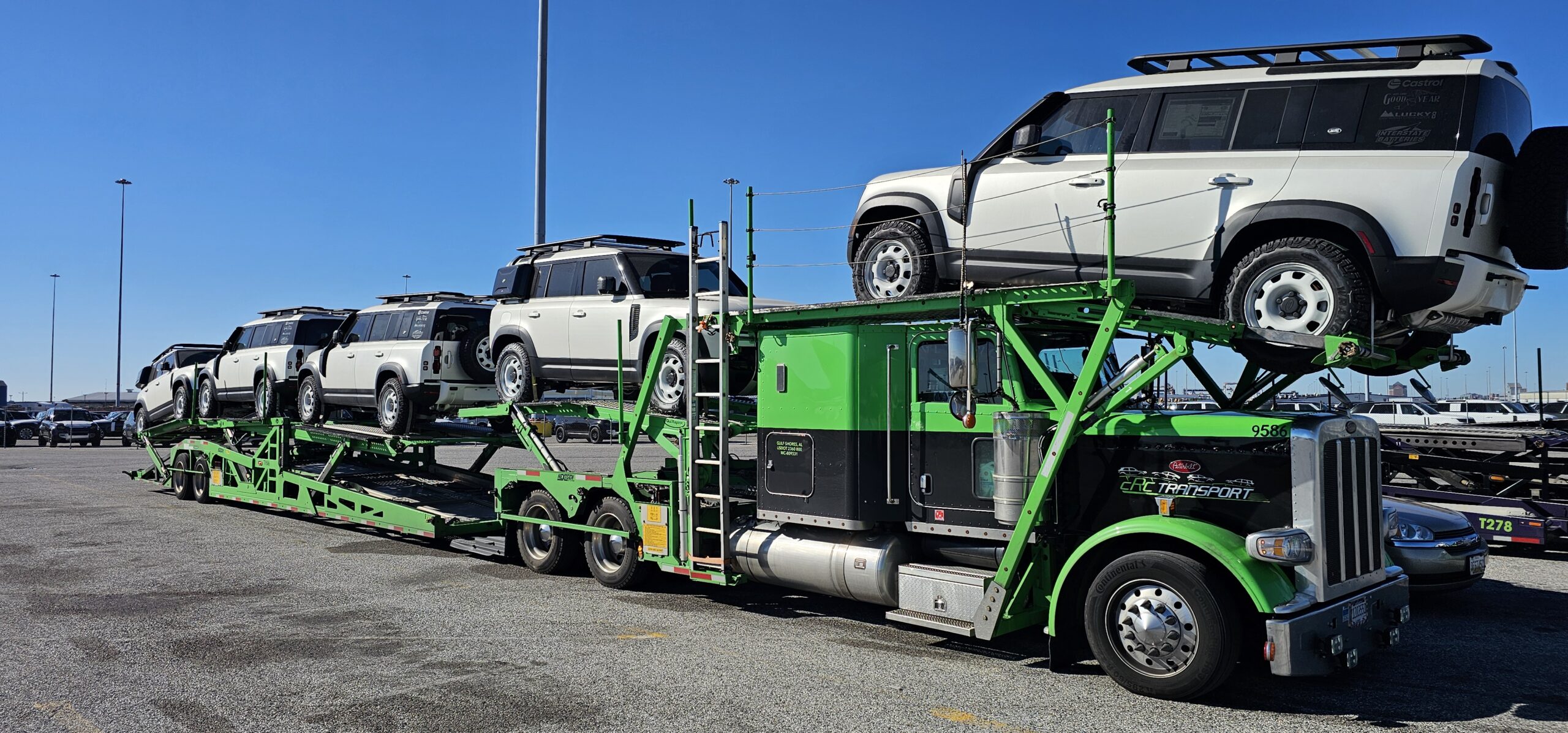
Digital Condition Reports: Reducing Damage Claims and Streamlining Delivery
In 2026 and beyond, paper-based inspection forms and manual documentation processes create risk, delay claims resolution, and increase administrative cost. VIN-level digital documentation improves transparency, accelerates dispute handling, and strengthens accountability across the vehicle distribution chain.
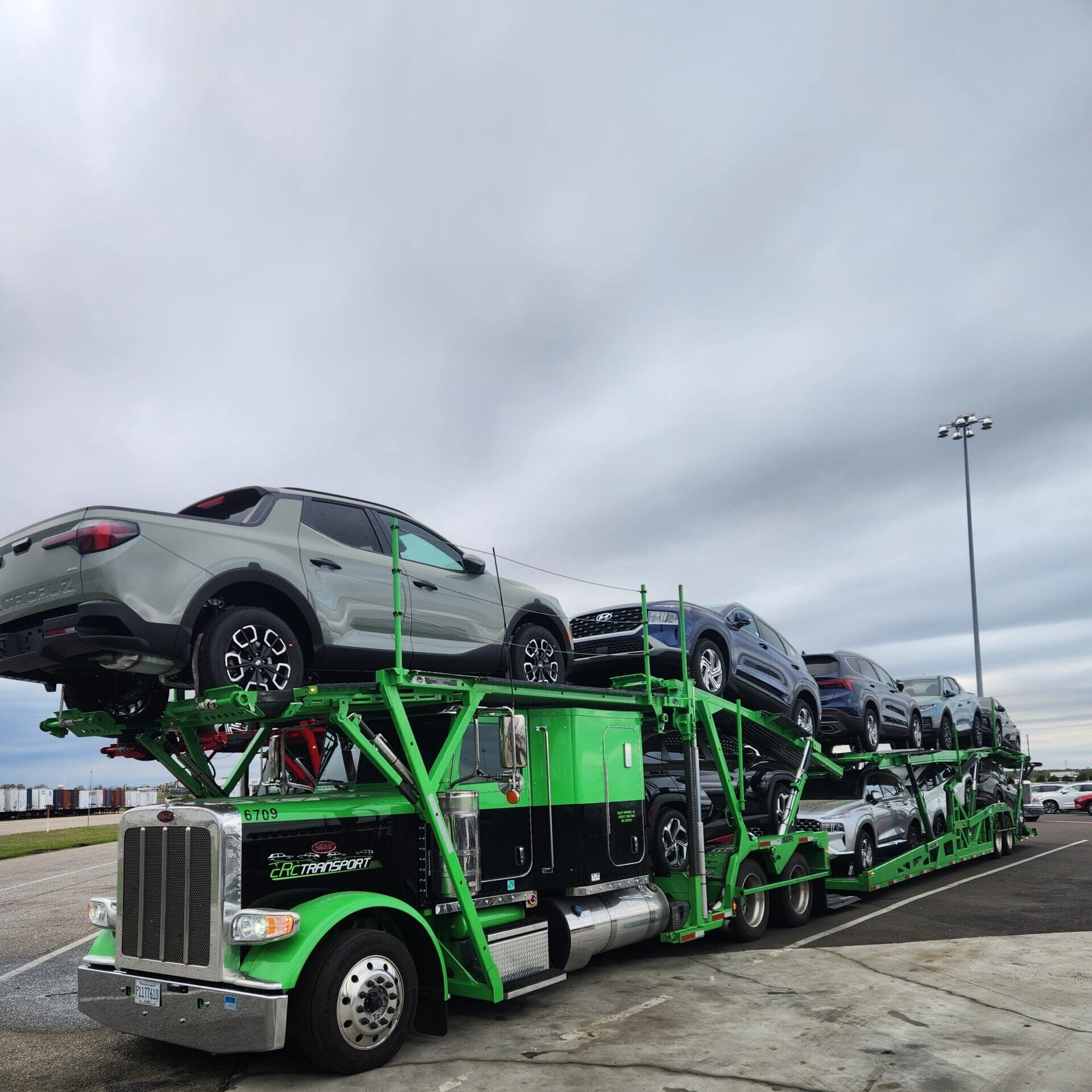
How to Choose the Best Car Shipping Company: Red Flags to Watch For
When it comes to transporting your vehicle, selecting the right car shipping company is crucial for a smooth and hassle-free experience. With so many auto transport companies available, it’s important to know how to distinguish reputable providers from unreliable ones.
Happy National Truck Driver Appreciation Week!
From September 10-16, 2023, we’re giving a big shutout to the incredible trucking community that keeps our wheels turning.
