
The Economics of Multi-Vehicle Shipping for Dealers
The Economics of Multi-Vehicle Shipping for Dealers
The economics of multi-vehicle shipping for dealers is driven by one principle: consolidation improves efficiency.
In 2026, freight volatility, tighter margins, and rising floorplan costs require dealerships to optimize every controllable operational expense. Multi-vehicle shipping is not simply a logistical convenience. It is a financial lever that directly impacts cost per unit, inventory velocity, and risk exposure.
Dealerships that structure transport in consolidated waves consistently outperform those relying on single-unit dispatching.
Why Consolidation Reduces Cost Per Unit
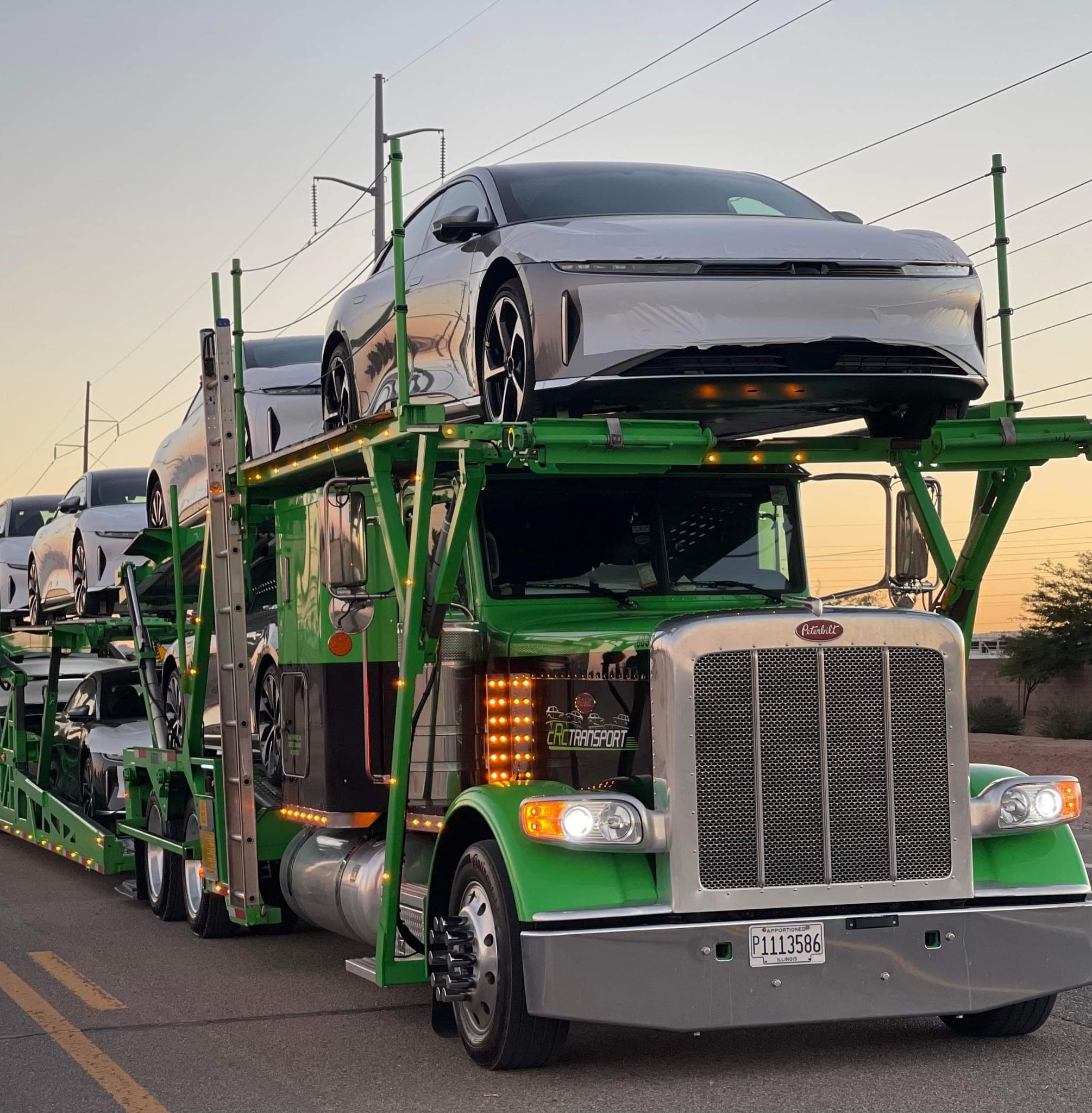
Auto carriers operate most efficiently when fully loaded.
A standard open carrier typically transports 7 to 9 vehicles. When a load is fully optimized:
- Fuel cost is distributed across more units
- Driver time is maximized
- Equipment utilization improves
- Empty miles decrease
When vehicles are shipped individually or in partial loads, the per-unit cost increases significantly.
Efficiency is volume-dependent.
1. Freight Cost Allocation Efficiency
Multi-vehicle shipping spreads:
- Linehaul expense
- Fuel surcharge
- Insurance exposure
- Administrative handling
across several vehicles instead of a single VIN.
For high-volume dealer groups moving units from:
- Auctions
- OEM allocation centers
- Ports
- Inter-dealer transfers
consolidation reduces overall freight spend per vehicle.
Even modest per-unit savings compound at scale.
2. Reduced Floorplan Interest Exposure
Floorplan financing accrues interest daily.
Consolidated shipping improves:
- Predictable arrival waves
- Coordinated recon scheduling
- Faster lot readiness
Structured delivery windows reduce:
- Idle inventory in transit
- Arrival variance
- Operational delays
Time efficiency reduces financial drag.
3. Improved Equipment Utilization
Multi-vehicle shipping enhances carrier efficiency.
Better utilization results in:
- Lower rate volatility
- More stable contract pricing
- Reduced spot market dependency
Dealers with consistent multi-unit volume gain stronger negotiating leverage.
Scale supports pricing stability.
4. Route Optimization and Reduced Empty Miles
Consolidation enables smarter routing.
Clustered shipments allow:
- Multi-stop delivery
- Hub-and-spoke distribution
- Backhaul integration
- Cross-location transfers
Fewer empty miles improve cost efficiency and environmental performance.
Route discipline supports margin control.
5. Damage Risk Economics
Handling frequency influences damage exposure.
Consolidated shipping reduces:
- Multiple dispatch events
- Repeated loading cycles
- Transfer touchpoints
Fewer handling events reduce minor cosmetic claims.
Damage reduction protects profit.
6. Predictable Delivery Cycles
Shipping vehicles in structured waves rather than individually improves:
- Inventory planning
- Recon workflow alignment
- Staffing allocation
- Marketing coordination
Predictability reduces operational friction.
Operational stability improves sales velocity.
7. Auction-to-Dealer Efficiency
Dealers acquiring multiple units from auctions benefit from batch releases.
Consolidated pickups:
- Prioritize scheduling
- Reduce yard dwell time
- Improve throughput
Coordinated dispatch reduces staging delays and improves inventory readiness.
8. Inter-Dealer Transfer Optimization
Dealer groups frequently move vehicles between rooftops.
Structured multi-vehicle transfers:
- Reduce redundant freight cost
- Minimize transit variance
- Improve inventory balancing
Integration reduces inefficiency across network locations.
9. Sustainability and ESG Impact
Multi-vehicle shipping reduces:
- Per-unit fuel consumption
- Emissions per mile
- Idle time exposure
Dealer groups tracking ESG performance benefit from consolidated logistics efficiency.
Sustainability supports long-term operational alignment.
10. Data-Driven Cost Monitoring
Dealerships should track:
✔ Freight cost per unit
✔ Delivery variance
✔ Damage frequency
✔ Floorplan days in transit
✔ Equipment utilization rates
✔ Empty mile percentage
Analytics reveal consolidation performance gains.
Measured improvement strengthens long-term strategy.
Economic Comparison Overview
| Factor | Single-Unit Dispatch | Multi-Vehicle Shipping |
| Per-unit freight cost | Higher | Lower |
| Delivery predictability | Variable | More stable |
| Handling frequency | Higher | Lower |
| Floorplan exposure | Increased | Reduced |
| Rate volatility | Higher | Lower |
| Route efficiency | Limited | Optimized |
Consolidation provides structural advantage.
The CRC Transport Multi-Vehicle Model
CRC Transport supports dealer cost optimization through:
Consolidated Load Planning
- Multi-stop routing
- Cross-state clustering
- Volume forecasting
Predictable Scheduling
- Defined delivery windows
- VIN-level tracking
- Predictive ETA modeling
Risk Mitigation
- Digital condition reporting
- Reduced transfer touchpoints
- Insurance transparency
This structured framework supports measurable cost efficiency across high-volume dealer operations.
FAQ: Multi-Vehicle Shipping Economics
Is multi-vehicle shipping always cheaper?
Per unit, yes when volume and routing are structured properly.
Does consolidation delay pickup?
Not when shipments are scheduled strategically in advance.
How many vehicles justify consolidation?
Typically three or more units per corridor begin generating measurable savings.
Does consolidation increase damage risk?
No. Structured loading often reduces handling frequency and claims.
What is the biggest financial benefit?
Lower per-unit freight cost combined with reduced floorplan exposure.
Final Perspective
The economics of multi-vehicle shipping for dealers is based on scale, predictability, and efficiency.
In 2026, dealerships that structure transport through consolidation gain lower cost per unit, improved inventory velocity, and reduced operational volatility.
Multi-vehicle shipping is not just a logistics tactic. It is a financial strategy.
Reliable Experts in Automotive Transportation
Have any questions or wish to Schedule a pickup today?
Related Posts
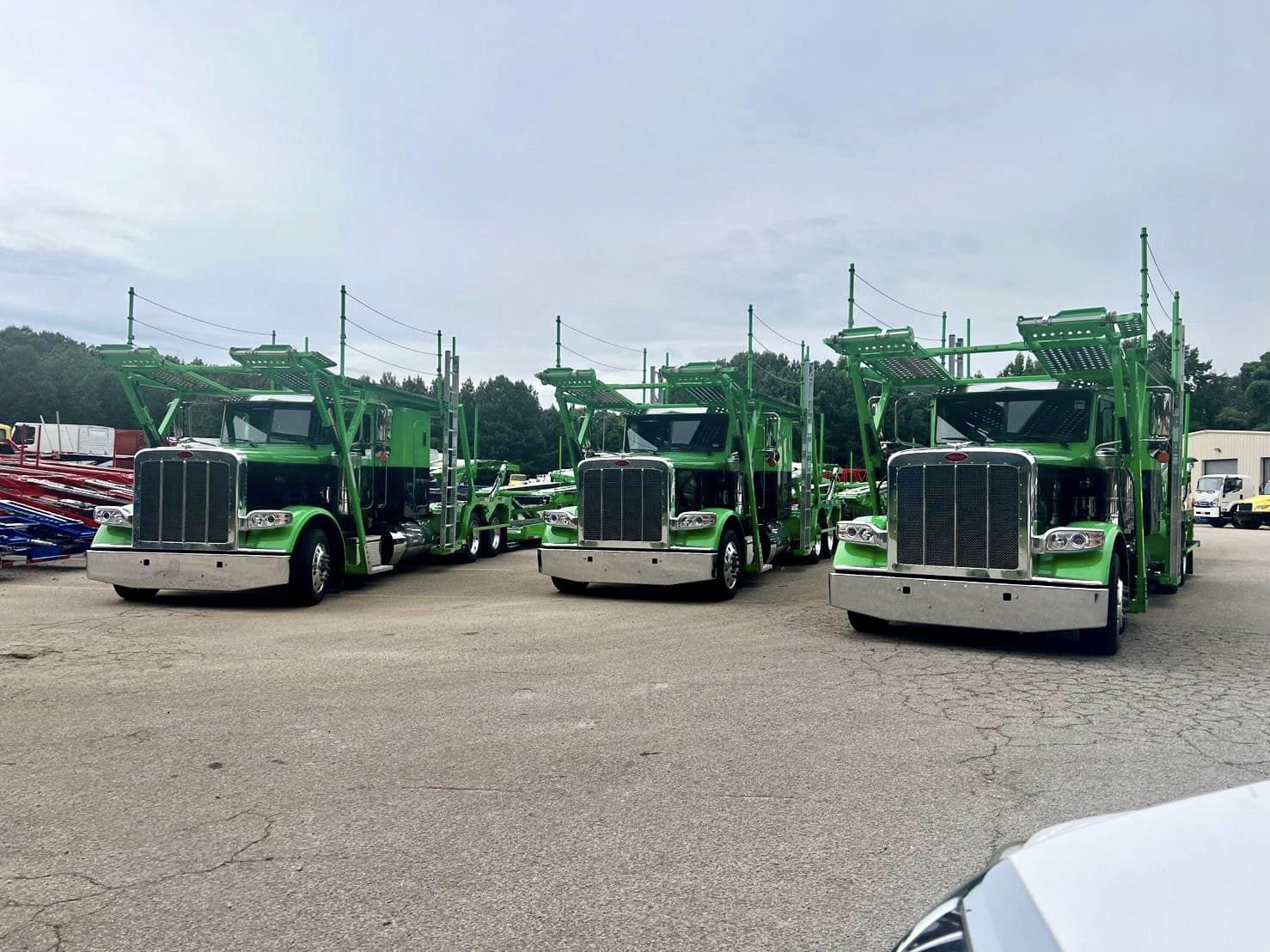
Our CRC Transport fleet just got BIGGER!
Introducing 3 brand new trucks to our family!
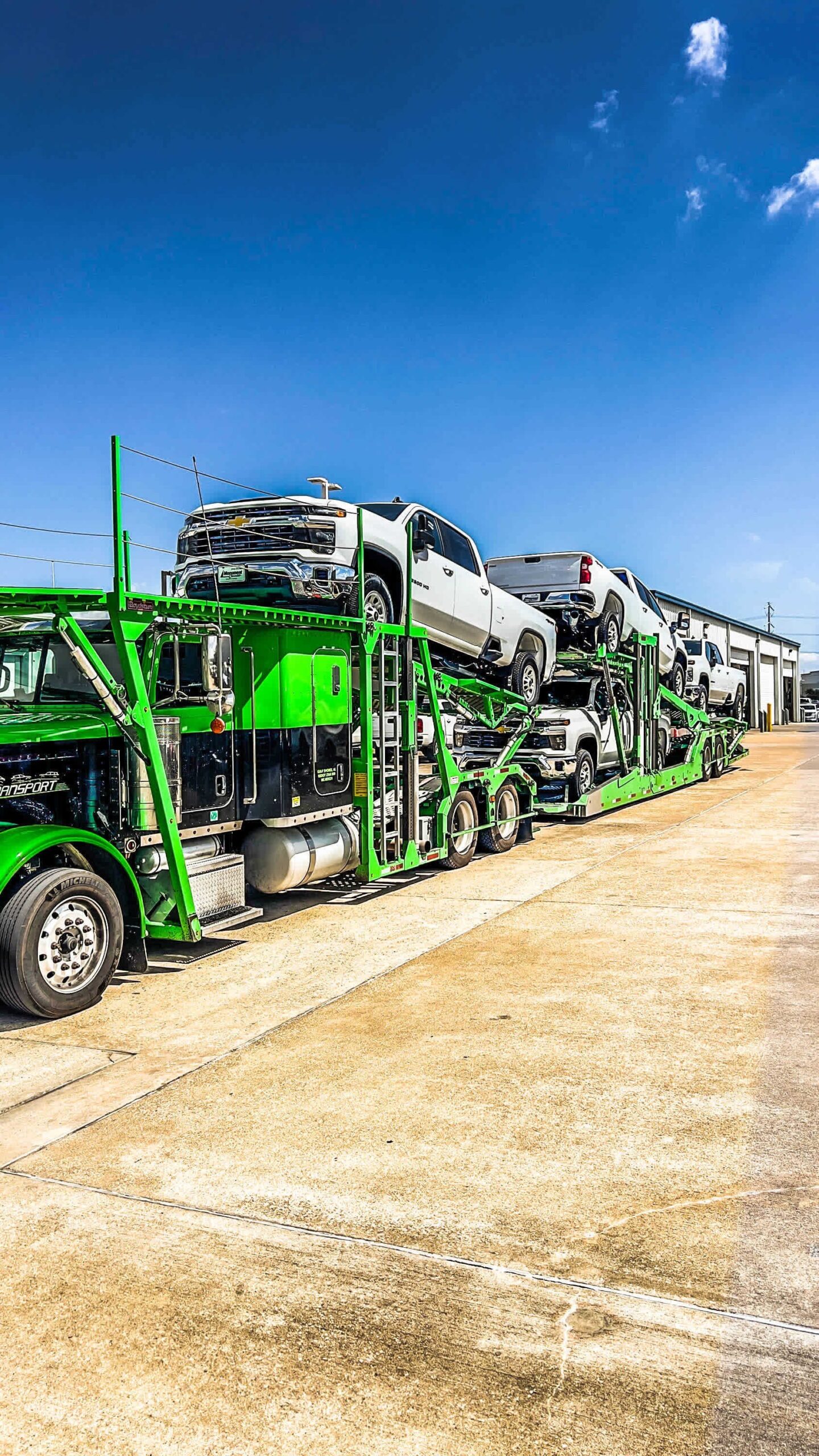
From Auction Lot to Showroom: Streamlining the Car Transport Process
Managing a dealership network that spans multiple states comes with complex logistical challenges. Ensuring vehicles are where they need to be, when they need to be there, is critical for maintaining sales momentum and customer satisfaction. Leveraging nationwide auto transport allows dealerships to move inventory efficiently, reduce holding costs, and streamline operations across regions. Seamless […]

Day 2 at #FVLNA 2023
Our team is buzzing with energy, sharing insights and connecting with industry experts. The coffee station has been a hive of activity with great ideas brewing along with the coffee.

Merry Christmas & Happy New Year!
🎄✨ Merry Christmas & Happy New Year! ✨🎄 As 2025 comes to a close, we look back with gratitude. Thank you for being with us — for every collaboration, every trust placed in us, and for the partnerships that keep us moving forward. The holidays remind us that, no matter the distance, we stay connected […]
