The Importance of Load Optimization in Modern Automotive Transport
In today’s competitive automotive industry, every mile, every vehicle, and every minute counts. Dealers, auctions, and OEMs rely on efficient transport to move inventory safely and cost-effectively. One of the most overlooked aspects of vehicle logistics is load optimization — the strategic planning of how vehicles are arranged, grouped, and routed on transport carriers to maximize efficiency and minimize risk.
Load optimization impacts cost, safety, transit times, and overall dealer profitability. Poorly planned loads lead to wasted capacity, higher transport expenses, increased risk of damage, and delays in inventory availability. Conversely, a well-optimized load ensures vehicles move faster, safer, and more predictably.
What Load Optimization Means in Automotive Transport
Load optimization is the process of determining how vehicles are physically arranged on carriers and how delivery routes are structured to:
- Maximize truck capacity
- Minimize unnecessary trips and deadhead miles
- Reduce handling and damage risk
- Align vehicle arrival with dealer or auction schedules
It involves combining operational planning, technology, and carrier expertise. This is especially important for dealers who handle high-volume auctions, OEM deliveries, or multi-location inventory transfers.
Why Load Optimization Matters for Dealers
Dealerships rely on transport not just to move vehicles, but to maintain a predictable flow from acquisition to showroom. Load optimization affects:
1. Cost Efficiency
- Properly planned loads reduce the number of trucks required, lowering per-vehicle transport costs.
- Optimized routes minimize fuel consumption and deadhead miles.
2. Vehicle Safety
- Strategic placement on carriers prevents damage during transit.
- Sensitive vehicles, like luxury or high-value models, can be prioritized for safer positions.
3. Faster Turnaround
- Optimized delivery sequences allow vehicles to arrive in the order they are needed for recon or lot placement.
- This reduces idle time and accelerates days-to-retail.
4. Environmental Impact
- Efficient loads reduce fuel usage and emissions, supporting dealership sustainability initiatives.
Common Challenges Without Load Optimization
When loads are planned haphazardly, dealers face multiple problems:
- Underutilized Truck Capacity
- More vehicles than necessary may be shipped individually or in partially empty trucks, increasing costs.
- Increased Transit Times
- Poorly sequenced deliveries may require vehicles to make unnecessary stops, delaying arrival.
- Higher Damage Risk
- Incorrect positioning, uneven weight distribution, or last-minute adjustments increase handling stress.
- Administrative Burden
- Tracking scattered or irregular shipments requires more communication, planning, and coordination.
Strategies for Effective Load Optimization
To maximize the benefits of transport, dealerships and logistics partners should focus on:
1. Centralized Planning
- Consolidate shipment requests from multiple dealerships or locations to determine the most efficient load combinations.
- Schedule pickups and deliveries based on geographic proximity and priority.
2. Vehicle Sequencing
- Arrange vehicles on carriers to match delivery order.
- Consider model type, size, and value to optimize safety and efficiency.
3. Real-Time Adjustments
- Use GPS tracking and digital dashboards to adjust routes or loads if delays occur.
- React proactively to auction release schedules, weather, or traffic disruptions.
4. Technology Integration
- Digital load planning tools help carriers and dealers visualize load arrangements.
- Automated route optimization software maximizes efficiency while minimizing costs.
5. Carrier Expertise
- Experienced drivers understand how to secure vehicles properly, distribute weight evenly, and prevent damage.
- Professional carriers coordinate with dealers for arrival windows, special handling, and priority models.
Impact of Load Optimization on Dealer Operations
When implemented effectively, load optimization delivers measurable benefits:
- Reduced Transport Costs: Fewer trucks, less fuel, and better route planning lower expenses.
- Faster Days-to-Retail: Vehicles arrive in the correct order for recon and lot placement.
- Minimized Damage Risk: Proper placement and handling reduce the likelihood of scratches, dents, or other claims.
- Improved Staff Efficiency: Predictable arrivals allow recon and lot teams to plan workloads more effectively.
- Scalable Operations: Dealers handling high-volume auctions or multi-location networks can expand without sacrificing efficiency.
CRC Transport’s Approach to Load Optimization
CRC Transport integrates load optimization into every stage of vehicle transport:
- Consolidated Multi-Vehicle Loads: Combining vehicles from multiple locations for efficient transport.
- Priority Sequencing: Vehicles arrive in the order they are needed for recon and sale.
- Digital Tracking: Live monitoring allows adjustments in transit to maintain optimal scheduling.
- Standardized Handling Procedures: Uniform protocols minimize damage risk and maintain vehicle condition.
- Flexible Solutions: High-volume, multi-location, and auction-specific loads are planned and executed seamlessly.
Our approach ensures dealers receive vehicles on time, in showroom-ready condition, and in the most cost-effective way possible.
Conclusion
Load optimization is a critical element of modern automotive logistics. It goes beyond merely transporting vehicles — it’s about maximizing efficiency, safety, and profitability. Dealers who invest in optimized loads benefit from:
- Lower transport costs
- Faster inventory turnover
- Reduced damage claims
- Predictable operational workflows
- Scalable logistics solutions
Partnering with a transport provider like CRC Transport ensures that load planning is handled professionally, vehicles arrive in perfect condition, and dealerships can focus on sales and customer satisfaction rather than logistics headaches.
Reliable Experts in Automotive Transportation
Have any questions or wish to Schedule a pickup today?
Related Posts
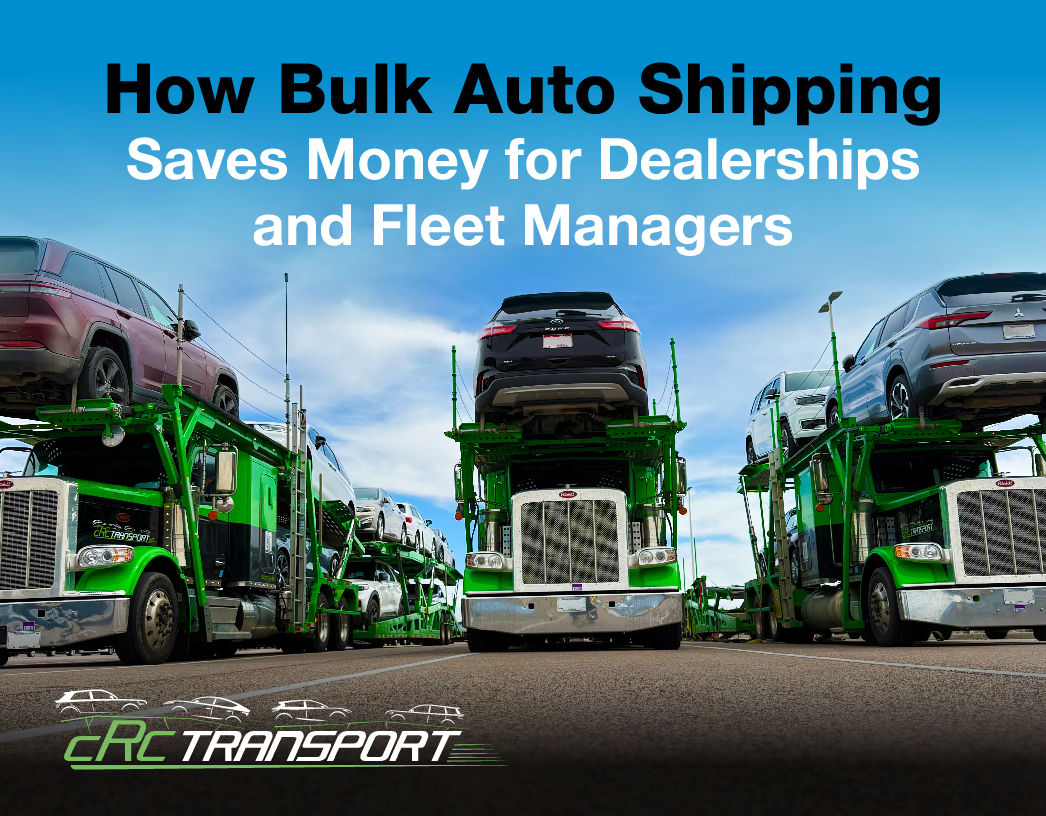
How Bulk Auto Shipping Saves Money for Dealerships and Fleet Managers
In the fast-paced automotive industry, efficiency and cost savings are top priorities for car dealerships and fleet operators. One of the most impactful strategies to reduce operational expenses and streamline logistics is bulk auto shipping. Whether you’re moving cars between locations or transporting newly acquired inventory, bulk shipping provides a smart, scalable solution that saves both time and money.
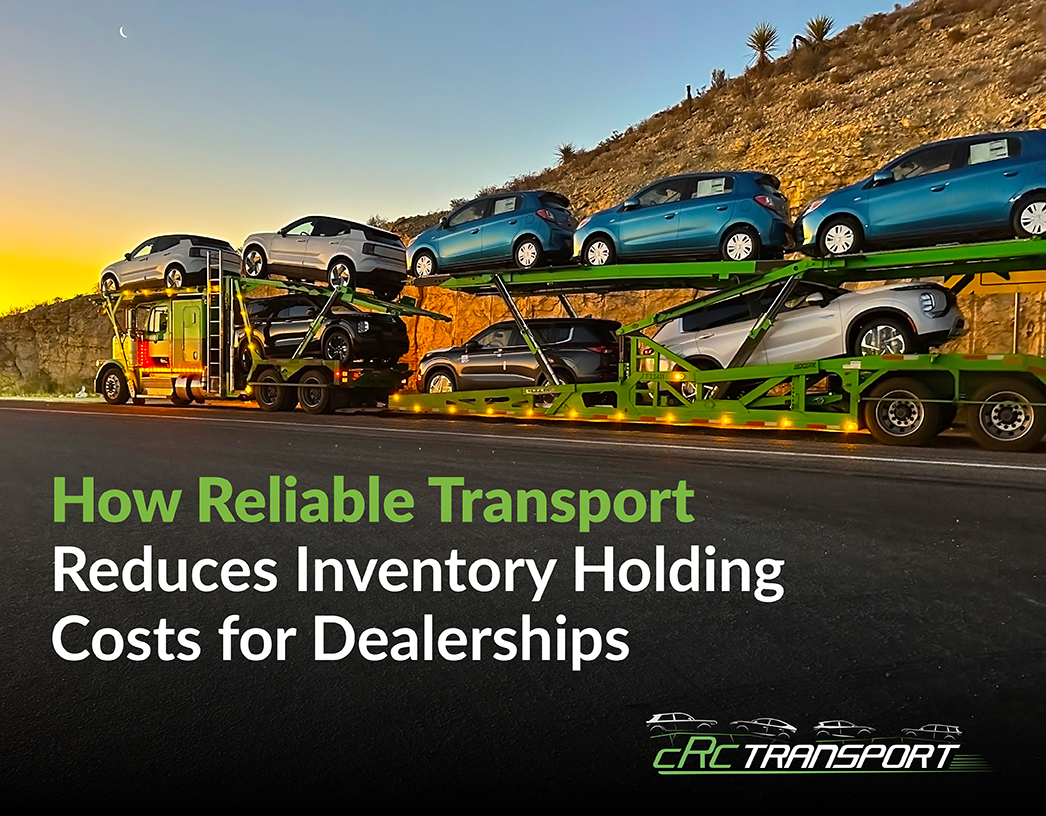
How Reliable Transport Reduces Inventory Holding Costs for Dealerships
Inventory that sits too long costs money. Whether it’s floorplan interest, depreciation, or missed sales opportunities, delays in vehicle movement can impact a dealership’s bottom line. One of the most effective ways to optimize inventory turnover is partnering with a reliable automobile transportation provider.
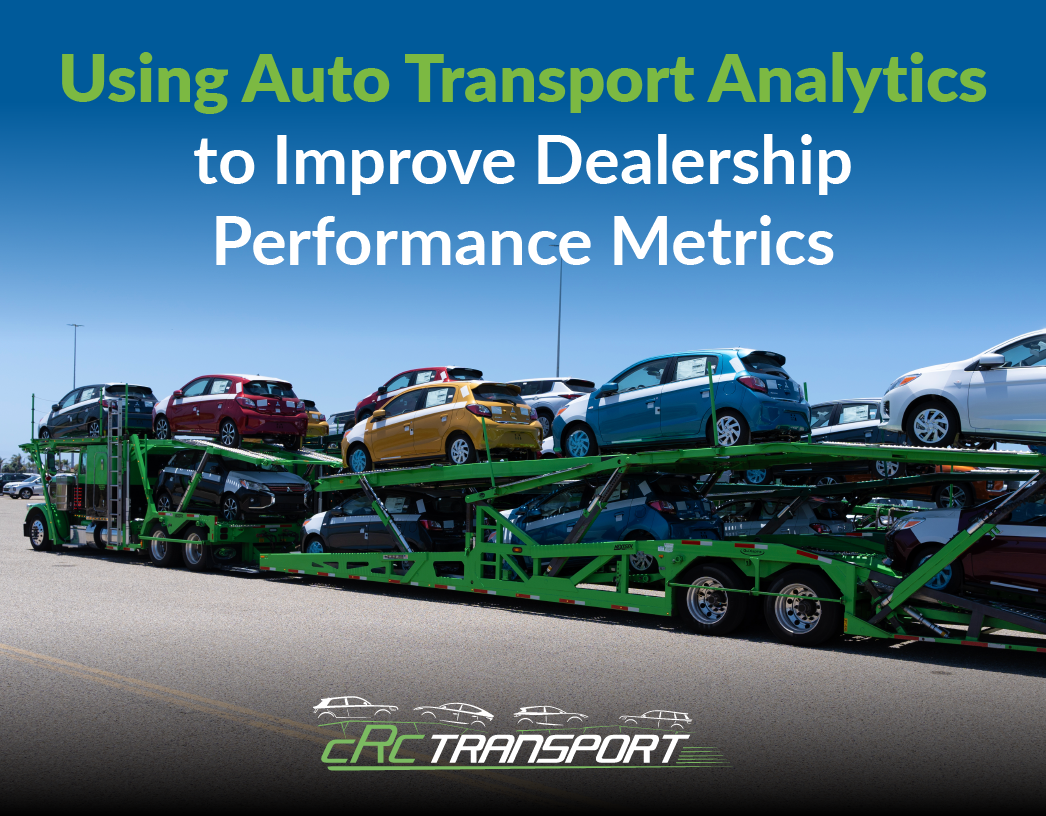
Using Auto Transport Analytics to Improve Dealership Performance Metrics
In a market where margins are tight and speed is critical, auto dealerships need more than just reliable carriers – they need actionable data. From tracking moving car logistics to choosing the best auto transport company, analytics offer a clear path to smarter decisions.
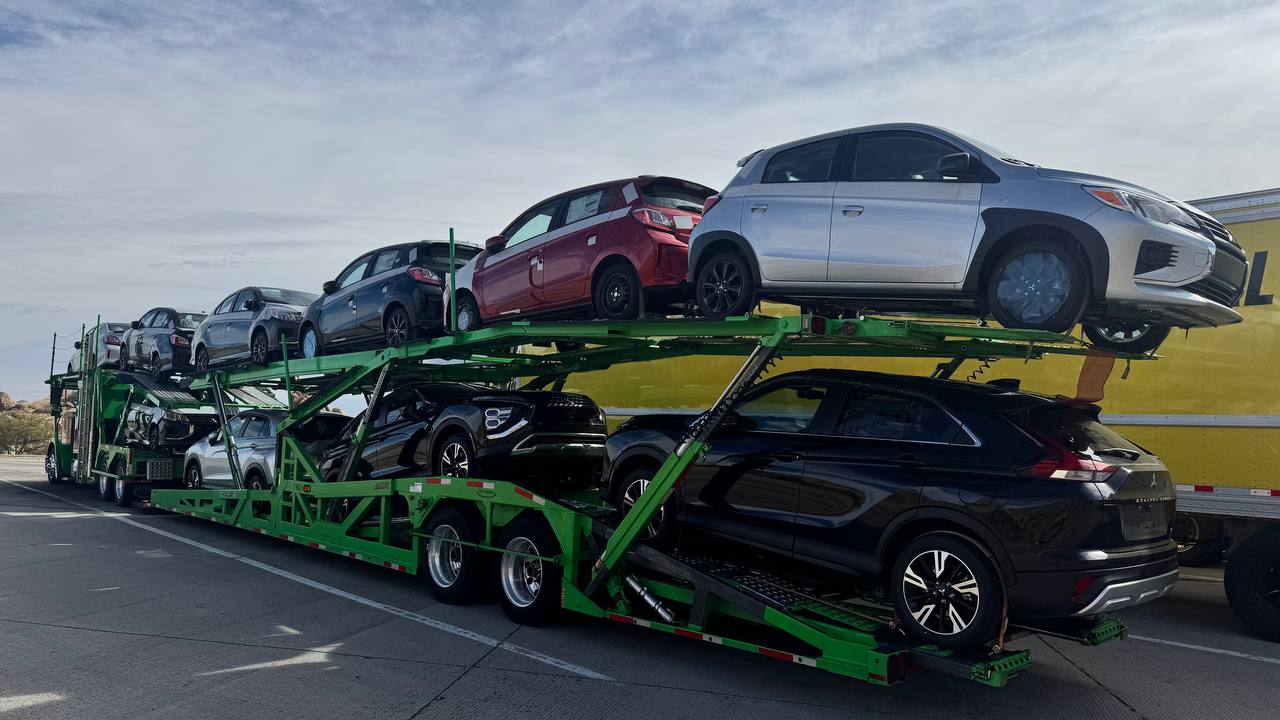
Door-to-Door Car Shipping: The Most Convenient Way to Transport Your Vehicle
Shipping a car may seem simple, but behind the scenes, a complex process ensures vehicles are transported safely and efficiently. From scheduling and carrier selection to loading, transit, and delivery, here’s a closer look at how car transporters operate.
