Transport Risk Management for High-Value Vehicles
Transport Risk Management for High-Value Vehicles
Transport risk management for high-value vehicles requires a fundamentally different approach than standard inventory distribution.
Luxury models, performance vehicles, specialty trims, executive fleets, and early production EV units carry elevated financial and reputational exposure. A minor cosmetic issue on a standard unit may be manageable. On a high-value vehicle, it can result in significant repair cost, delivery delay, customer dissatisfaction, and brand impact.
In 2026, structured risk mitigation is not optional for premium inventory. It is operational discipline.
Why High-Value Vehicles Require Specialized Planning
High-value vehicles typically involve:
- Higher MSRP and insurance exposure
- Premium paint finishes
- Advanced sensor and camera systems
- Low ground clearance
- Custom wheels and trim
- Customer pre-orders
Damage frequency may not increase dramatically, but financial impact per incident does.
Risk must be evaluated per unit, not per load.
1. Strategic Use of Enclosed Transport
Open carriers remain efficient for standard inventory. However, enclosed transport significantly reduces environmental exposure for premium units.
Enclosed shipping is recommended when:
- Vehicle value exceeds standard insurance thresholds
- Unit is part of a launch campaign
- Customer delivery timing is critical
- Cosmetic sensitivity is high
- Weather exposure risk is elevated
Enclosed transport reduces debris exposure, environmental contaminants, and public visibility.
Protection should match asset value.
2. Structured Load Engineering
Improper load configuration increases mechanical stress and cosmetic exposure.
For high-value vehicles:
- Lower deck placement reduces road debris risk
- Balanced axle distribution protects suspension systems
- Proper tie-down tension prevents movement without over-stressing components
- Clearance checks protect low-profile front splitters
Experienced carrier crews and load planning discipline reduce structural risk during long-haul transport.
3. Digital Condition Reporting at Every Transfer Point
High-value transport requires documented accountability.
Best practice includes:
- VIN-level digital inspection at pickup
- High-resolution photo documentation
- Timestamped and geo-verified records
- Delivery inspection comparison
Digital reports reduce dispute ambiguity and accelerate claims resolution.
Documentation is a primary risk control tool.
4. Insurance Alignment and Coverage Review
Premium units require insurance evaluation beyond standard coverage.
Dealers and OEMs should confirm:
- Cargo insurance limits per vehicle
- Deductible thresholds
- Claims escalation procedures
- Repair authorization timelines
Higher-value EVs may involve complex repair processes, including:
- Battery system diagnostics
- Sensor recalibration
- Software updates
Insurance readiness reduces financial uncertainty.
5. Route Risk Assessment
Long-haul transport across multiple states increases exposure.
Route planning should consider:
- Road quality
- Construction density
- Mountain corridors
- Seasonal weather risk
- Congestion probability
Predictive routing tools help select lower-risk corridors rather than purely shortest-distance paths.
Risk-adjusted routing protects premium assets.
6. Confidentiality and Security Protocols
Certain high-value shipments require discretion.
Security measures may include:
- Limited public exposure
- Controlled driver assignment
- Secure staging locations
- Restricted information sharing
- Direct routing without intermediate transfers
Confidentiality reduces reputational and security risk.
7. Minimize Handling Touchpoints
Each transfer increases exposure.
High-value vehicles should avoid:
- Multiple hub transfers
- Extended yard storage
- Unnecessary reloading
Direct long-haul routing with minimal touchpoints reduces cumulative risk.
Fewer transitions mean fewer potential damage events.
8. Environmental Protection Considerations
Extreme weather can amplify exposure.
Considerations include:
- Seasonal enclosed allocation during snow or debris seasons
- Protective coverings when necessary
- Adjusted scheduling during severe storms
- Heat exposure monitoring for EV models
Environmental planning reduces avoidable cosmetic impact.
9. Real-Time Visibility and Exception Alerts
Premium inventory requires continuous oversight.
VIN-level tracking provides:
- Real-time GPS monitoring
- Predictive ETA updates
- Route deviation alerts
- Delivery confirmation transparency
Visibility allows rapid response if disruption occurs.
Transparency builds confidence.
10. Post-Delivery Performance Review
Risk management includes analytics.
Track:
✔ Damage frequency per lane
✔ Carrier-specific incident rate
✔ Claims resolution timeline
✔ Delivery variance
✔ Environmental correlation trends
Data-driven review supports continuous refinement of premium transport strategy.
Prevention improves with measurable feedback.
High-Value Vehicle Risk Management Checklist
✔ Enclosed transport evaluation
✔ Structured load planning
✔ VIN-level digital condition reporting
✔ Insurance threshold review
✔ Risk-adjusted route selection
✔ Minimal transfer routing
✔ Real-time GPS tracking
✔ Claims analytics monitoring
Premium assets require premium oversight.
The CRC Transport High-Value Risk Framework
CRC Transport mitigates risk for high-value vehicles through:
Equipment Alignment
- Enclosed capacity allocation
- Load engineering review
- EV compatibility checks
Digital Documentation
- VIN-level inspections
- High-resolution photo records
- Transparent claims workflow
Real-Time Oversight
- GPS monitoring
- Predictive ETAs
- Proactive exception alerts
This structured approach protects financial exposure and brand reputation across long-haul U.S. corridors.
FAQ: Transporting High-Value Vehicles
Is enclosed transport mandatory for luxury vehicles?
Not always, but it significantly reduces environmental exposure risk.
Does higher insurance automatically eliminate risk?
No. Documentation and route planning remain critical.
Are EVs considered high-risk assets?
They often carry higher financial exposure due to battery and technology complexity.
Does direct routing reduce damage probability?
Yes. Fewer handling touchpoints reduce cumulative exposure.
What is the biggest mistake in high-value transport?
Choosing equipment based solely on freight rate instead of risk profile.
Final Perspective
Transport risk management for high-value vehicles requires intentional strategy.
In 2026, premium automotive logistics is defined by controlled handling, digital transparency, insurance alignment, and predictive planning.
OEMs and dealerships that align transport method with vehicle value protect margin, preserve brand integrity, and maintain delivery confidence in competitive markets.
Reliable Experts in Automotive Transportation
Have any questions or wish to Schedule a pickup today?
Related Posts

Merry Christmas and a Happy New Year filled with meaningful journeys and cherished milestones!
Every journey has a story, and every story carries a lesson.
This Christmas, CRC Transport celebrates the moments of reflection that help us rediscover what truly matters…
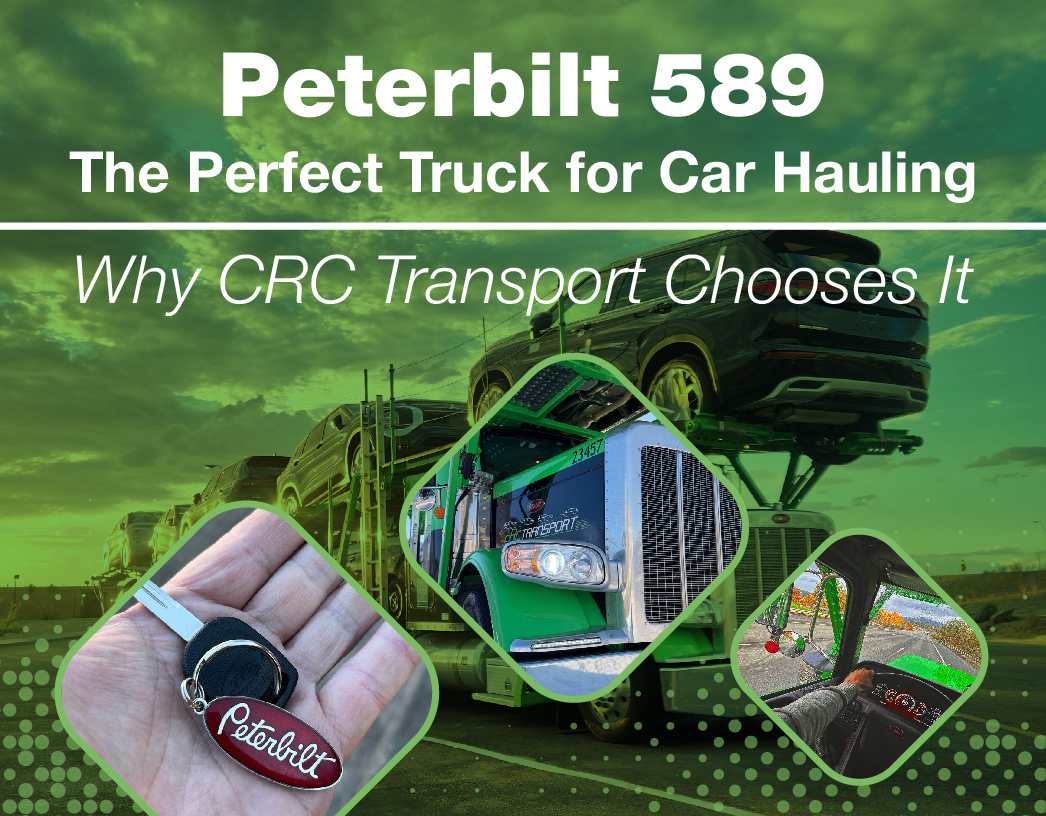
Peterbilt 589: The Perfect Truck for Car Hauling – Why CRC Transport Chooses It
In the car hauling industry, reliability, power, and driver comfort are essential. The choice of truck directly impacts efficiency and cargo safety. That’s why CRC Transport relies on the Peterbilt 589 – one of the best options for vehicle transportation. Let’s break down what makes this truck the ideal choice for our company.
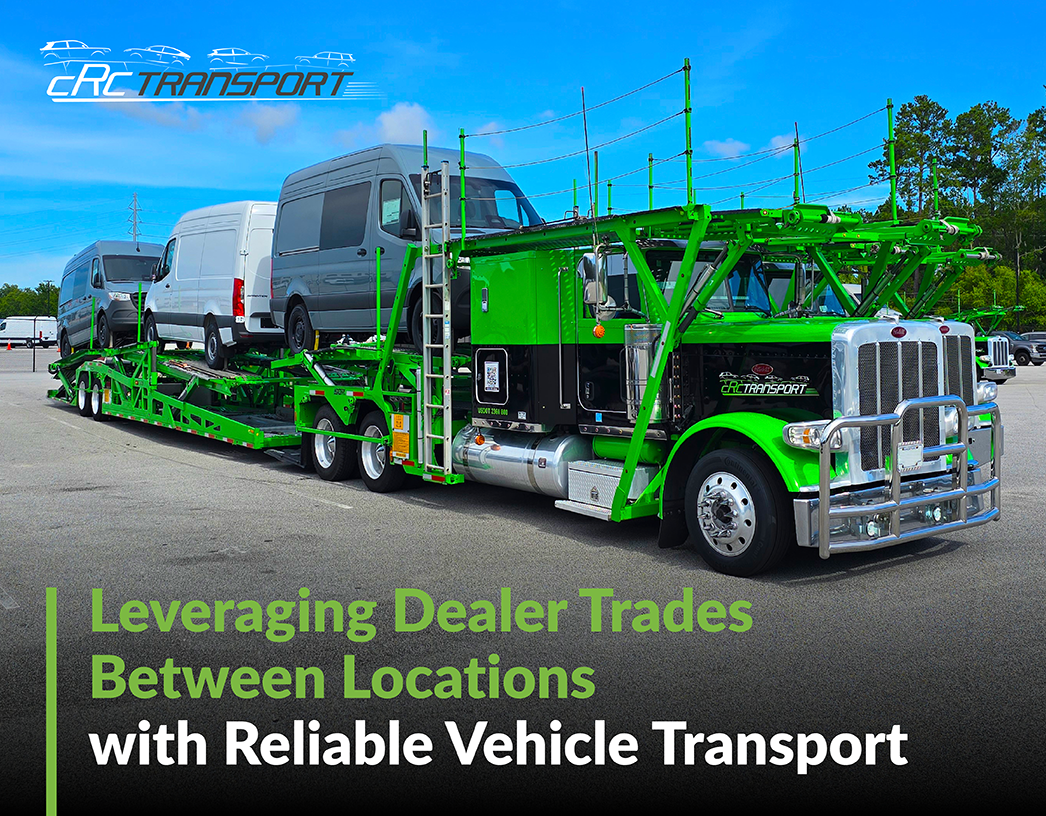
Leveraging Dealer Trades Between Locations with Reliable Vehicle Transport
Managing inventory across multiple rooftops is one of the biggest challenges for auto dealerships. Vehicles don’t always sell the same way in every market – what sits unsold in one location may be in high demand at another.
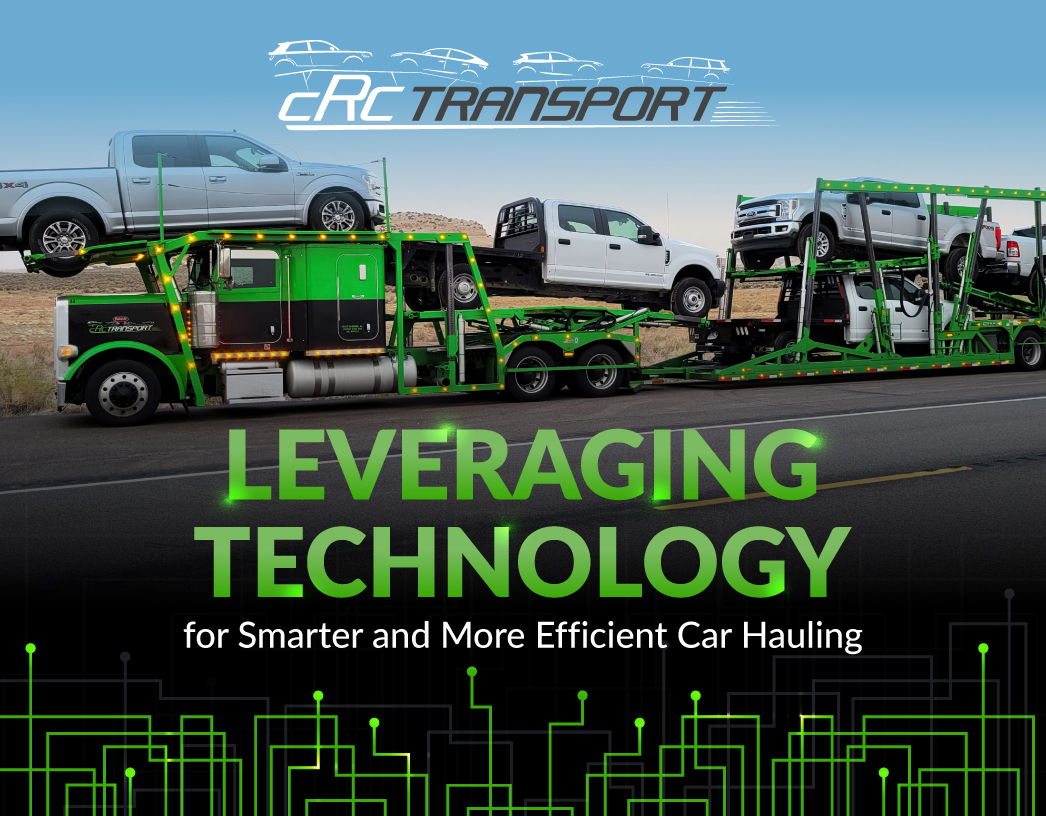
Leveraging Technology for Smarter and More Efficient Car Hauling
The car hauling industry is evolving rapidly with the adoption of cutting-edge technology. From real-time tracking to AI-powered logistics, auto shipping companies are leveraging innovations to improve efficiency, reduce costs, and enhance customer satisfaction.
