
How Dealerships Can Reduce Inventory Aging with Smarter Vehicle Transport
The Financial Pressure of Aging Inventory for Dealerships
For auto dealerships, inventory aging is more than a logistics issue – it’s a direct financial liability. Every day a vehicle sits unsold, it loses value, ties up capital, increases flooring costs, and reduces the dealership’s ability to rotate stock efficiently. In a competitive market where margins are already tight, optimizing the speed and reliability of vehicle movement can make the difference between a profitable month and a loss.
The challenge is clear: acquiring vehicles quickly is easy, but getting them delivered to the lot fast enough to capitalize on demand is where many dealers face delays. This is where smarter, streamlined vehicle transport services become a strategic advantage rather than just an operational expense.
Why Transport Delays Hurt Dealership Performance
Most dealers underestimate how much slow or unpredictable shipping impacts their overall business metrics. When transport partners miss pickup windows, extend delivery timelines, or fail to coordinate with auction schedules, the dealership suffers in multiple ways:
- vehicles arrive after demand peaks
- recon teams cannot plan workloads
- marketing campaigns must be postponed
- trade-ins and replacements accumulate
- stock distribution between locations becomes inconsistent
Even a short delay can push a high-demand unit into aging territory, especially for segments like SUVs, EVs, or CPO vehicles.
How Smarter Transport Reduces Inventory Aging
To minimize aging, dealerships need more than just a carrier. They need a logistics partner capable of optimizing movement from auction or OEM to lot. Smart transport strategies reduce downtime at every stage of the journey and streamline vehicle flow.
Here are the factors that make the biggest impact.
Pre-Scheduled and Predictive Routing
Dealers that work with a transport partner offering pre-scheduled lanes achieve faster turnover because their loads are planned in advance. Predictive routing ensures carriers know the pickup and delivery timeline before the vehicle is even purchased at auction.
This significantly reduces the waiting time after the sale, which is one of the biggest contributors to inventory aging.
Prioritizing High-Demand and Aged Units
Smart transport also means prioritizing the vehicles that need to move first. Whether it’s a truck that has already crossed a 45-day threshold or a new arrival scheduled for an upcoming weekend promotion, dealers benefit when their transport partner adapts routing to business goals, not just geographic convenience.
Real-Time Communication and Transparency
Dealers consistently cite poor communication as the number one issue with many car hauling companies. When the transport partner provides clear ETAs, proactive updates, and consistent status visibility, recon teams can plan ahead, marketing can align campaigns, and sales can prepare to present incoming vehicles to customers.
This eliminates idle time that contributes to inventory aging.
Faster Movement From Auction to Lot
For most franchise and independent dealerships, auction sourcing remains a core inventory channel. Any inefficiency in this pipeline slows down the entire business. Smarter transport solutions reduce delays by:
- ensuring immediate pickup after auction release
- optimizing multi-stop routing
- leveraging high-volume lanes for faster dispatch
- aligning transport windows with auction storage timelines
Dealers consistently report lower aging rates when auction vehicles spend less time waiting for a carrier to be assigned.
Multi-Location Inventory Balancing
For dealership groups, aging often occurs because certain locations move slower than others. Smart transport enables rapid redistribution of inventory between stores so that aging units are relocated to markets where demand is higher.
This requires a transport partner capable of running consistent inter-store lanes and managing internal dealership logistics efficiently.
Why Open Carrier Transport Fits Most Dealer Needs
CRC Transport operates exclusively with open carrier auto transport, which offers dealers the most cost-effective and scalable method of moving inventory. For high-volume B2B clients, this solution is ideal due to:
- high carrier availability
- flexibility in scheduling
- greater load capacity
- efficient state-to-state movement
- competitive pricing for recurring shipments
Open carrier transport is the most practical choice for approximately 95% of dealership inventory.
How CRC Transport Helps Dealers Reduce Inventory Aging
CRC Transport supports franchise dealers, used car stores, OEMs, and auction buyers with processes designed specifically to minimize aging:
- pre-scheduled lanes tailored to dealership needs
- transparent ETAs with consistent updates
- capacity for continuous multi-unit movement
- open carrier solutions optimized for volume transport
- flexible routing that prioritizes promotional or aging stock
By reducing delays at every stage of the transport chain, dealers can bring vehicles to market faster, rotate stock more effectively, and free up capital that would otherwise be tied up in aging units.
What Faster Inventory Turnover Means for Dealership Profitability
When vehicles reach the lot sooner, the benefits multiply:
- reduced depreciation
- lower flooring expenses
- improved CSI thanks to coordinated sales timelines
- optimized internal distribution
- stronger overall sales velocity
In simple terms: vehicles that move faster sell faster – and dealerships that optimize transport gain a measurable competitive edge.
Reliable Experts in Automotive Transportation
Have any questions or wish to Schedule a pickup today?
Related Posts
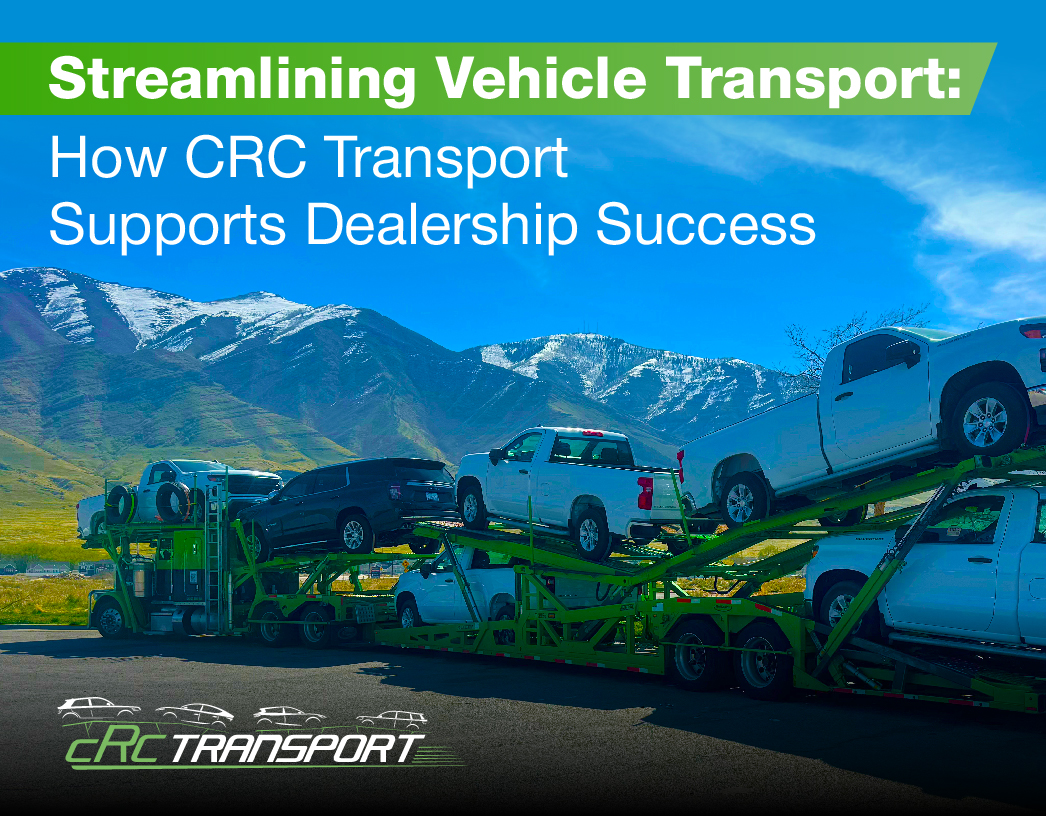
Streamlining Vehicle Transport: How CRC Transport Supports Dealership Success
The world of auto shipping is evolving rapidly, and dealerships across the United States are seeking innovative ways to streamline operations and enhance customer satisfaction. At CRC Transport, we’re proud to lead the way as a trusted auto transport company, providing dealerships with comprehensive, scalable solutions for car shipping and vehicle transport.
Digital Condition Reports: Reducing Damage Claims and Streamlining Delivery
In 2026 and beyond, paper-based inspection forms and manual documentation processes create risk, delay claims resolution, and increase administrative cost. VIN-level digital documentation improves transparency, accelerates dispute handling, and strengthens accountability across the vehicle distribution chain.
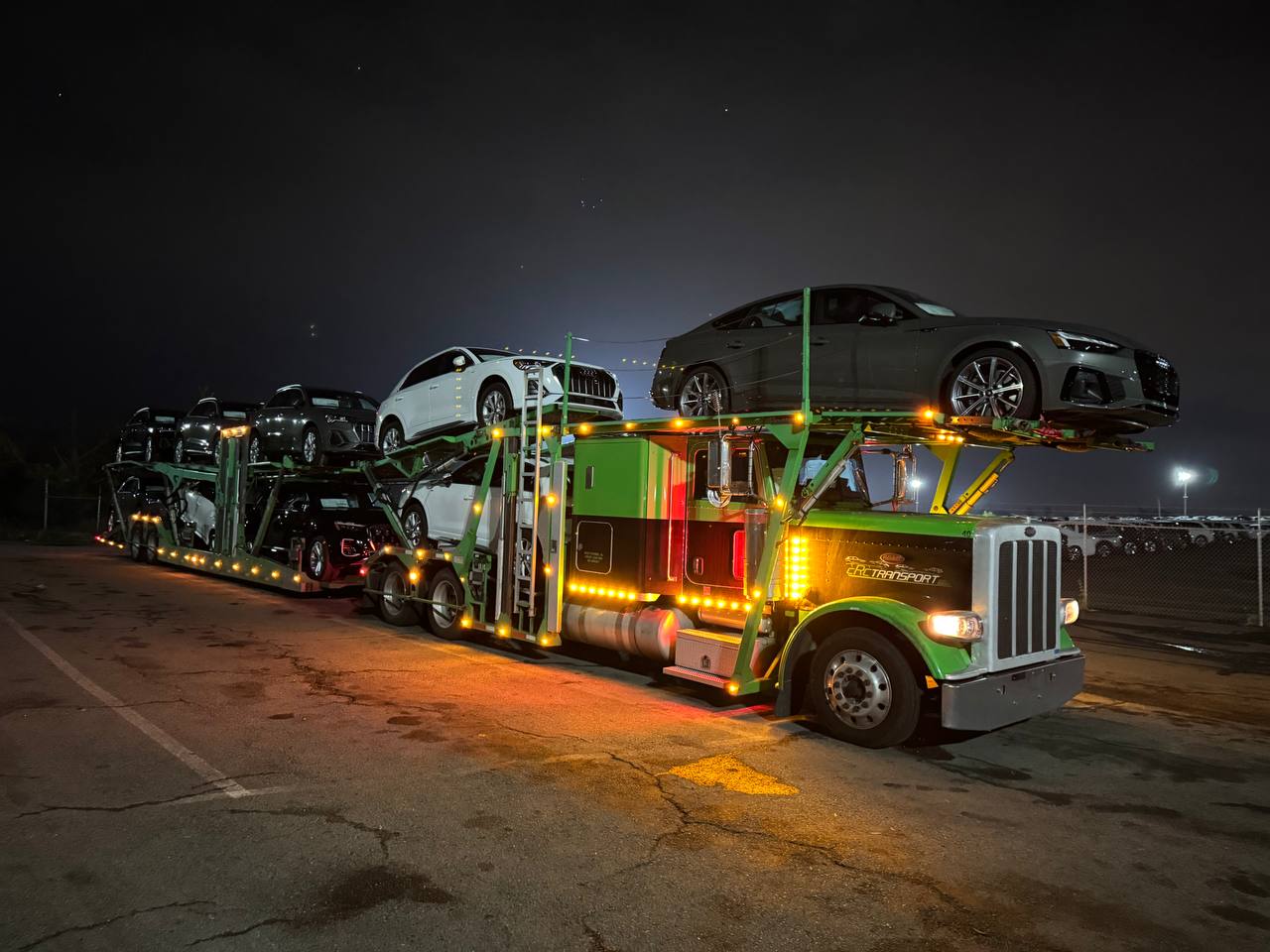
The Role of Auto Transport in Dealership Logistics
For dealerships operating across multiple locations, efficient vehicle transport is crucial for inventory management, timely deliveries, and maintaining customer satisfaction. Whether moving cars between branches or delivering directly to buyers, partnering with a reliable car transport company ensures seamless operations.
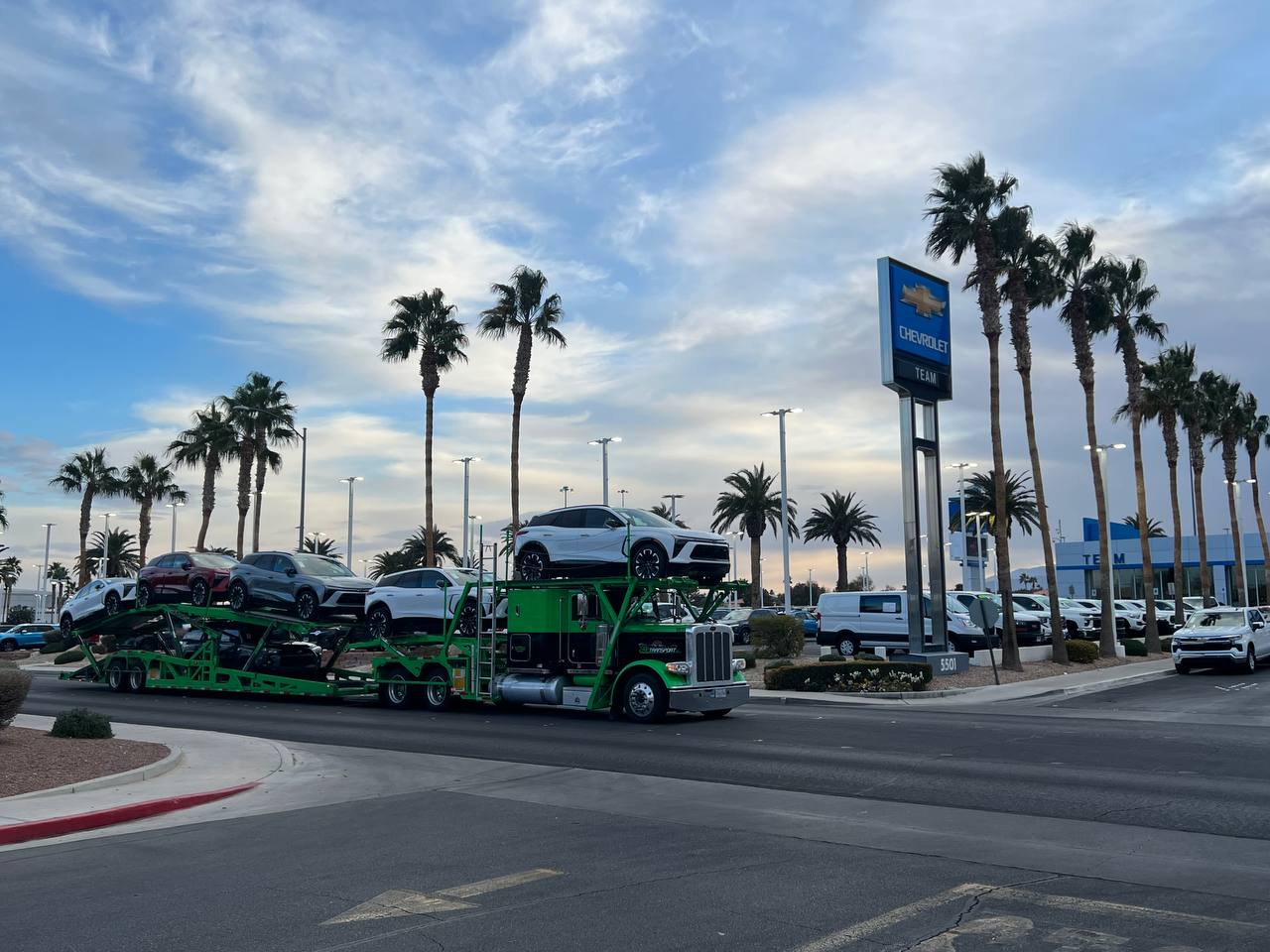
OEM Transport Challenges: Coordinating Deliveries from Factory to Showroom
For automakers and dealerships, coordinating deliveries from the factory floor to showroom lots is one of the most critical parts of the supply chain. Vehicles must move quickly, safely, and in showroom-ready condition. Yet, OEM logistics often involve multi-state routes, strict deadlines, and large shipment volumes, making the process more complicated than standard retail transport. […]
