How Delays at Auctions Affect Dealer Profit – And How Smart Logistics Prevent It
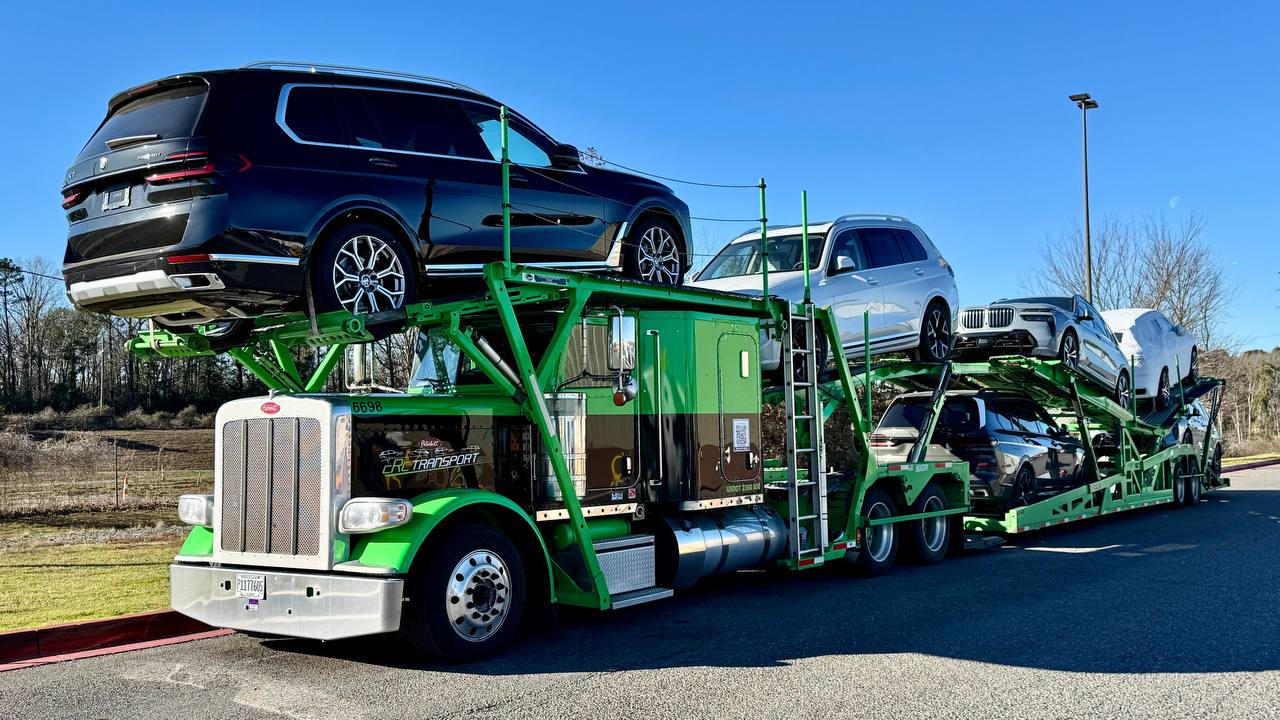
For most dealerships, auctions are the backbone of their used-car inventory pipeline. But while auctions are fast-paced on the bidding side, the logistics that follow can be surprisingly slow — and these delays have a direct, measurable impact on dealer profitability.
Every hour a vehicle sits at an auction instead of moving toward your lot increases costs, disrupts planning, and pushes back retail readiness. In today’s competitive market, efficiency is no longer optional; it’s a necessity for maintaining strong margins.
This article explains how auction delays affect dealership profit — and how modern logistics strategies and reliable transport partners help eliminate the bottlenecks that slow dealers down.
Auction Delays Create Hidden Costs for Dealerships
Many of the costs created by auction delays aren’t obvious at first. But over weeks and months, they accumulate and significantly impact a dealership’s financial performance.
Here are the biggest profit-drainers caused by slow auction processing and pickup delays:
1. Rising Floorplan and Holding Costs
Every extra day a vehicle remains at the auction incurs additional expenses:
- Storage fees
- Floorplan interest
- Administrative overhead
These small costs add up quickly, especially for dealerships that buy frequently or in high volume. Even a 2–3 day delay over dozens of vehicles increases annual expenses substantially.
2. Slower Inventory Turnover
Inventory creates profit only when it moves. When auction units sit idle waiting for pickup:
- Reconditioning gets delayed
- Photos aren’t taken
- Online listings can’t go live
- The selling window moves back
A delay at the auction becomes a delay throughout the entire downstream workflow.
3. Disrupted Reconditioning Schedules
Dealership service departments plan their workload around expected auction deliveries. When vehicles arrive late or unpredictably:
- Recon teams sit idle
- Staffing becomes inefficient
- Multiple units may suddenly arrive at once, creating bottlenecks
Inconsistent flow directly affects time-to-retail.
4. Inaccurate Sales Forecasting
Sales managers depend on reliable timelines for:
- Planning promotions
- Managing inventory mix
- Preparing for seasonal demand
Delays at auction can lead to stock shortages during peak periods or excess volume arriving too late to capitalize on demand.
5. Increased Risk of Damage or Loss
The longer a vehicle sits at an auction facility:
- The more touchpoints it goes through
- The more transfers occur
- The higher the likelihood of damage
Auction lots are high-traffic environments, and delays increase exposure to risk.
Where Auction Delays Usually Come From
Dealers often assume delays are unavoidable — but most come from predictable process gaps.
1. Slow Release Processing
Some auctions take longer to process paperwork, especially during high-volume periods.
2. Carrier Overbooking
Transport providers with limited capacity often can’t pick up quickly, leading to multi-day waits.
3. Manual Communication
Calling for updates, checking release status, or verifying availability slows everything down.
4. Last-Minute Load Changes
If routes aren’t optimized, carriers may postpone pickups to fill the truck.
5. Lack of Priority for Frequent Buyers
Dealers who purchase often should receive faster turnaround — but many transport companies don’t prioritize.
How Smart Logistics Solve Auction Delay Problems
Dealers can dramatically reduce delays by working with transport partners who use modern systems instead of outdated, manual processes.
Here’s how smart logistics prevents bottlenecks:
1. Fast Auction-to-Dispatch Transition
As soon as a vehicle is released, it should move immediately to scheduling.
Modern transport systems:
- Pull release information automatically
- Assign loads instantly
- Provide ETA updates without manual follow-up
This alone can eliminate 1–2 days of unnecessary waiting.
2. Optimized Routing for Predictable Timelines
Advanced routing software ensures:
- Minimal deadhead miles
- Efficient multi-stop pickups at auctions
- Faster delivery windows
Dealerships get predictable ETAs instead of vague promises.
3. Real-Time Tracking and Status Transparency
Tracking eliminates the guesswork:
- Dealers can see pickup confirmation
- Monitor vehicle movement
- Get accurate, updated ETAs
This helps plan recon, staff, and online listings ahead of time.
4. Dedicated Capacity for Frequent Buyers
High-volume dealerships should never wait behind one-off retail customers.
A strong transport partner offers:
- Priority dispatch
- Guaranteed lanes
- Consistent pickup cycles
This stability directly improves inventory turnover.
5. Streamlined Communication and Fewer Touchpoints
Instead of multiple calls, emails, or manual VIN handling:
- Transport orders can be automated
- Status updates are pushed automatically
- Dealers receive central communication from one source
Fewer touchpoints = fewer delays.
Why Dealers Need a Transport Partner With Auction Expertise
Auction logistics aren’t like standard point-to-point transport.
They require:
- Familiarity with auction release workflows
- Knowledge of high-volume days and peak hours
- Efficient coordination with auction staff
- Fast-response dispatch teams
Without this expertise, delays are almost guaranteed.
How CRC Transport Helps Dealers Avoid Auction Delays
CRC Transport is built around eliminating the exact bottlenecks that cost dealerships time and profit:
- Rapid pickup cycles for major auction locations
- Smart, efficient routing to reduce wait times
- Real-time tracking for complete visibility
- Priority scheduling for repeat dealership buyers
- Streamlined dispatch designed specifically for B2B operations
- Clear communication built around dealership workflows
By moving units quickly and predictably, we help dealerships shorten days-to-retail, lower holding costs, and maximize profitability across their entire operation.
Reliable Experts in Automotive Transportation
Have any questions or wish to Schedule a pickup today?
Related Posts

Happy Easter Sunday
Happy Easter Sunday to all of our wonderful colleagues!
How Dealerships Can Use Predictive Scheduling to Prevent Inventory Bottlenecks
In the competitive automotive market, dealerships face constant pressure to maintain balanced inventory levels without overstocking or creating delivery delays. Predictive scheduling powered by advanced logistics data allows dealers to anticipate transportation needs, streamline vehicle movements, and minimize costly bottlenecks. By working with automotive transport companies that use real-time analytics, dealers can achieve smoother operations […]

Putting the ‘team’ in teamwork at CRC Transport!
Putting the ‘team’ in teamwork at CRC Transport!
A day on the greens to unwind and bond – because our synergy is just as important as the miles we cover.
Here’s to the camaraderie that keeps our wheels turning smoothly! 🏌️♂️
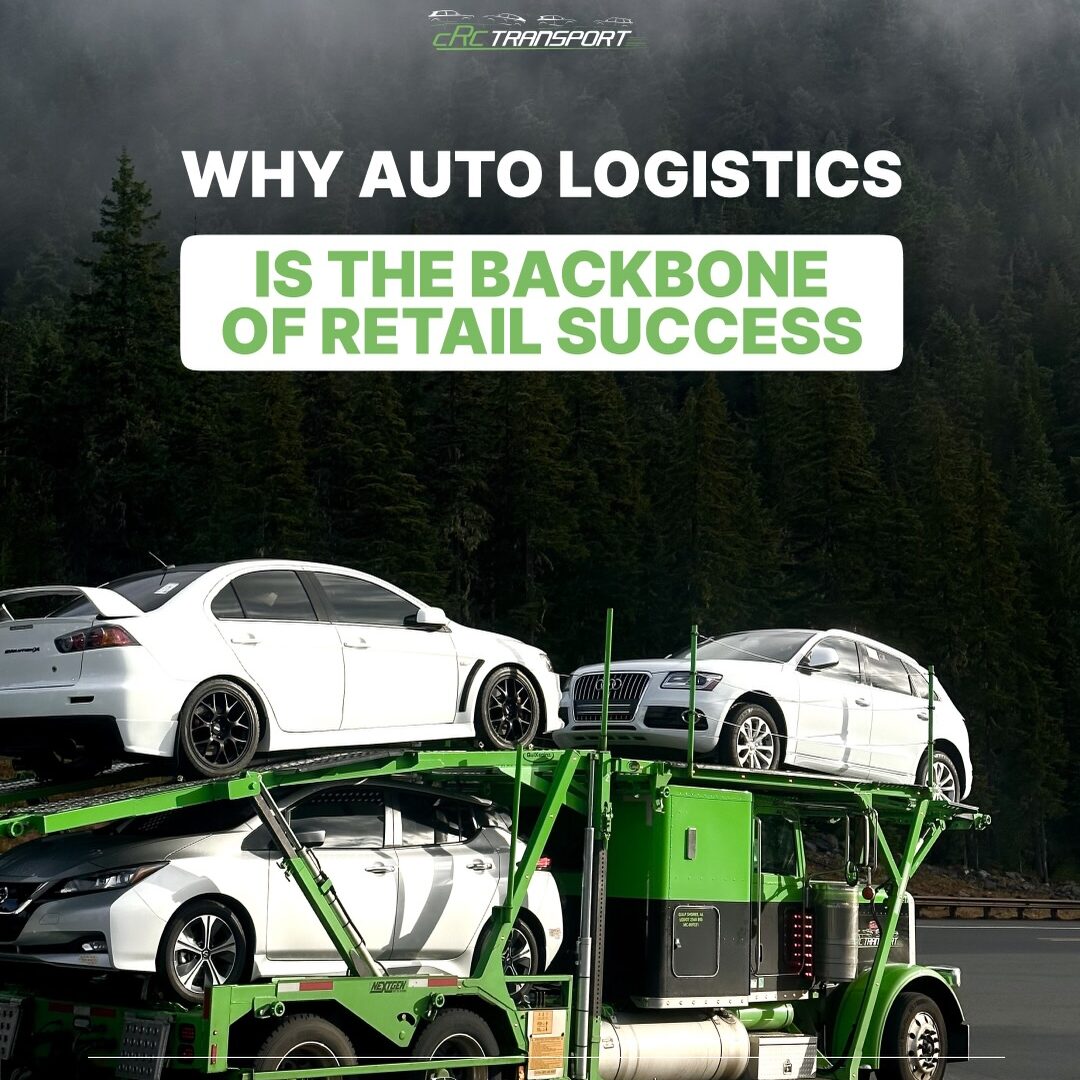
How Automotive Logistics Drives Retail Success for Dealers and OEMs
Retail success doesn’t begin on the showroom floor. It begins long before — with how inventory is planned, moved, and delivered. This carousel breaks down why auto logistics quietly determines sales velocity, margins, and customer trust for dealers and OEMs alike. Because when logistics works, retail wins. This is the standard CRC Transport operates by. […]
