
Managing Seasonal Peaks in Automotive Transport
Managing Seasonal Peaks in Automotive Transport
Seasonal peaks in automotive transport are predictable. Operational disruption during those peaks is not inevitable.
In 2026, OEMs and high-volume dealer groups face recurring volume surges driven by model year transitions, promotional campaigns, EV launches, auction cycles, and regional demand shifts. Without structured planning, these spikes result in delivery delays, increased freight rates, and higher damage risk.
Managing seasonal peaks requires forecasting, disciplined capacity alignment, and data-driven execution.
Why Seasonal Peaks Create Instability
Automotive transport volumes fluctuate due to:
- Model year changeovers
- End-of-quarter production pushes
- Incentive-driven sales campaigns
- EV release waves
- Fleet contract cycles
- Weather-related buying trends
During peak periods, the market experiences:
- Equipment shortages
- Driver availability constraints
- Higher spot market rates
- Increased transit variance
- Yard congestion
Structured planning stabilizes performance.
1. Forecast Volume by Quarter
Peak management begins with forecasting.
OEMs and dealer groups should project:
- Monthly shipment volume
- Regional allocation trends
- EV production scaling
- Import surges at ports
- Auction purchase cycles
Forecasting should extend at least one quarter ahead.
Reactive planning increases rate volatility and delivery inconsistency.
2. Secure Capacity Before Demand Surges
Spot market dependency increases cost and risk.
Effective peak planning includes:
- Pre-negotiated carrier agreements
- Reserved multi-vehicle load blocks
- Equipment allocation by corridor
- Enclosed capacity scheduling for high-value units
Dedicated capacity ensures pickup reliability even during market strain.
Predictable access stabilizes delivery performance.
3. Segment Inventory by Urgency
Not all vehicles require identical priority during peaks.
Segment inventory into categories such as:
Category A – Time-sensitive retail inventory
Category B – Standard replenishment units
Category C – Non-urgent transfers
This segmentation allows:
- Strategic expedited allocation
- Balanced load planning
- Reduced unnecessary premium freight
Prioritization protects margin.
4. Optimize Core Lanes
High-volume lanes require structured oversight.
During peak periods, review:
- Historical transit time data
- Seasonal disruption patterns
- Carrier performance consistency
- Damage frequency by route
Lane optimization reduces delivery variance when capacity tightens.
Consistency prevents operational strain.
5. Strengthen Port and Processing Coordination
Import-heavy periods often coincide with seasonal peaks.
Port congestion may lead to:
- Extended dwell time
- Storage fee escalation
- Equipment scheduling delays
Mitigation strategies include:
- Pre-scheduled inland transport
- Digital gate-out tracking
- Coordinated vehicle processing timelines
- Volume smoothing when possible
Upstream efficiency supports downstream stability.
6. Use Real-Time Visibility to Manage Variance
During peak periods, real-time tracking becomes critical.
VIN-level visibility enables:
- Early detection of delay
- Proactive dealer communication
- Rapid rerouting when needed
- Dynamic scheduling adjustments
Visibility reduces uncertainty during high-volume cycles.
Information is stability.
7. Monitor Damage Risk During High Volume
Peak periods increase handling intensity.
Higher yard density and accelerated loading schedules raise minor damage probability.
Preventative measures include:
- Structured digital condition reports
- Consistent inspection protocols
- Controlled load securement
- Experienced carrier crews
Damage prevention during peak periods protects profitability.
8. Prepare for Weather-Driven Seasonal Effects
Seasonal peaks often overlap with environmental challenges:
- Winter snow corridors
- Hurricane season disruptions
- Extreme summer heat
- Mountain pass restrictions
Peak planning should include:
- Alternate routing options
- Equipment adjustments
- Scheduling buffers
- Environmental monitoring
Proactive risk modeling reduces unplanned disruption.
9. Align Dealer Operations with Delivery Waves
Peak volume often overwhelms dealership operations.
Coordination should ensure:
- Recon staffing capacity
- Charging readiness for EV units
- Yard space availability
- Sales team preparation
Delivery without operational readiness creates secondary bottlenecks.
Alignment increases throughput efficiency.
10. Track Peak Performance Metrics
Data evaluation should include:
✔ Average transit time during peak vs non-peak periods
✔ Delivery variance range
✔ Spot rate dependency percentage
✔ Damage claim frequency
✔ Capacity utilization
✔ Port dwell trends
Post-peak analysis improves future planning cycles.
Continuous improvement reduces volatility year over year.
Seasonal Peak Management Checklist
✔ Quarterly volume forecasting
✔ Dedicated carrier agreements
✔ Inventory prioritization strategy
✔ Lane performance monitoring
✔ Real-time VIN tracking
✔ Port coordination planning
✔ Damage prevention protocols
✔ Weather contingency routing
Peak management requires structure, not reaction.
The CRC Transport Seasonal Planning Framework
CRC Transport supports OEMs and dealer groups during seasonal peaks through:
Capacity Forecasting
- Volume modeling
- Equipment allocation
- Lane prioritization
Operational Oversight
- VIN-level tracking
- Predictive ETAs
- Proactive exception alerts
Risk Mitigation
- Digital condition reporting
- Route adjustment planning
- Performance analytics review
This structured framework stabilizes distribution performance across high-demand cycles.
FAQ: Seasonal Peaks in Automotive Transport
When do seasonal peaks typically occur?
Model year transitions, quarter-end pushes, EV launches, and major sales campaigns.
Do freight rates increase during peak periods?
Yes, especially in spot markets without reserved capacity.
How can dealers reduce peak disruption?
By forecasting volume early and securing structured transport partnerships.
Does consolidation help during peaks?
Yes. Multi-vehicle load planning improves equipment utilization and reduces cost volatility.
What is the biggest risk during peak seasons?
Delivery variance that disrupts dealer inventory flow and increases financial exposure.
Final Perspective
Seasonal peaks in automotive transport are predictable cycles within the industry.
The difference between stable operations and logistical disruption lies in forecasting discipline, capacity alignment, real-time visibility, and structured risk mitigation.
OEMs and dealer groups that treat seasonal surges as strategic planning events, rather than reactive challenges, maintain consistent performance and protect margin throughout 2026 and beyond.
Reliable Experts in Automotive Transportation
Have any questions or wish to Schedule a pickup today?
Related Posts
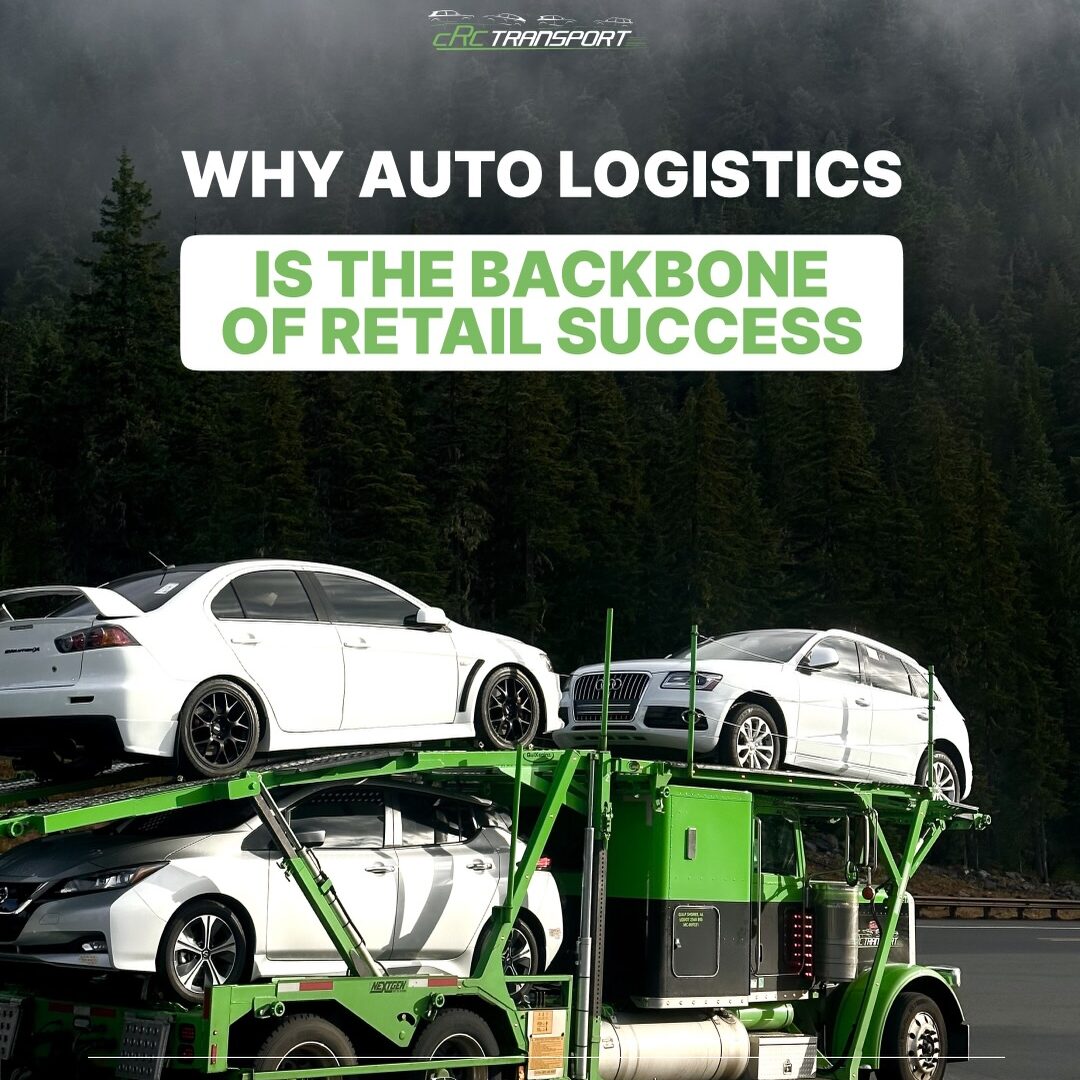
How Automotive Logistics Drives Retail Success for Dealers and OEMs
Retail success doesn’t begin on the showroom floor. It begins long before — with how inventory is planned, moved, and delivered. This carousel breaks down why auto logistics quietly determines sales velocity, margins, and customer trust for dealers and OEMs alike. Because when logistics works, retail wins. This is the standard CRC Transport operates by. […]
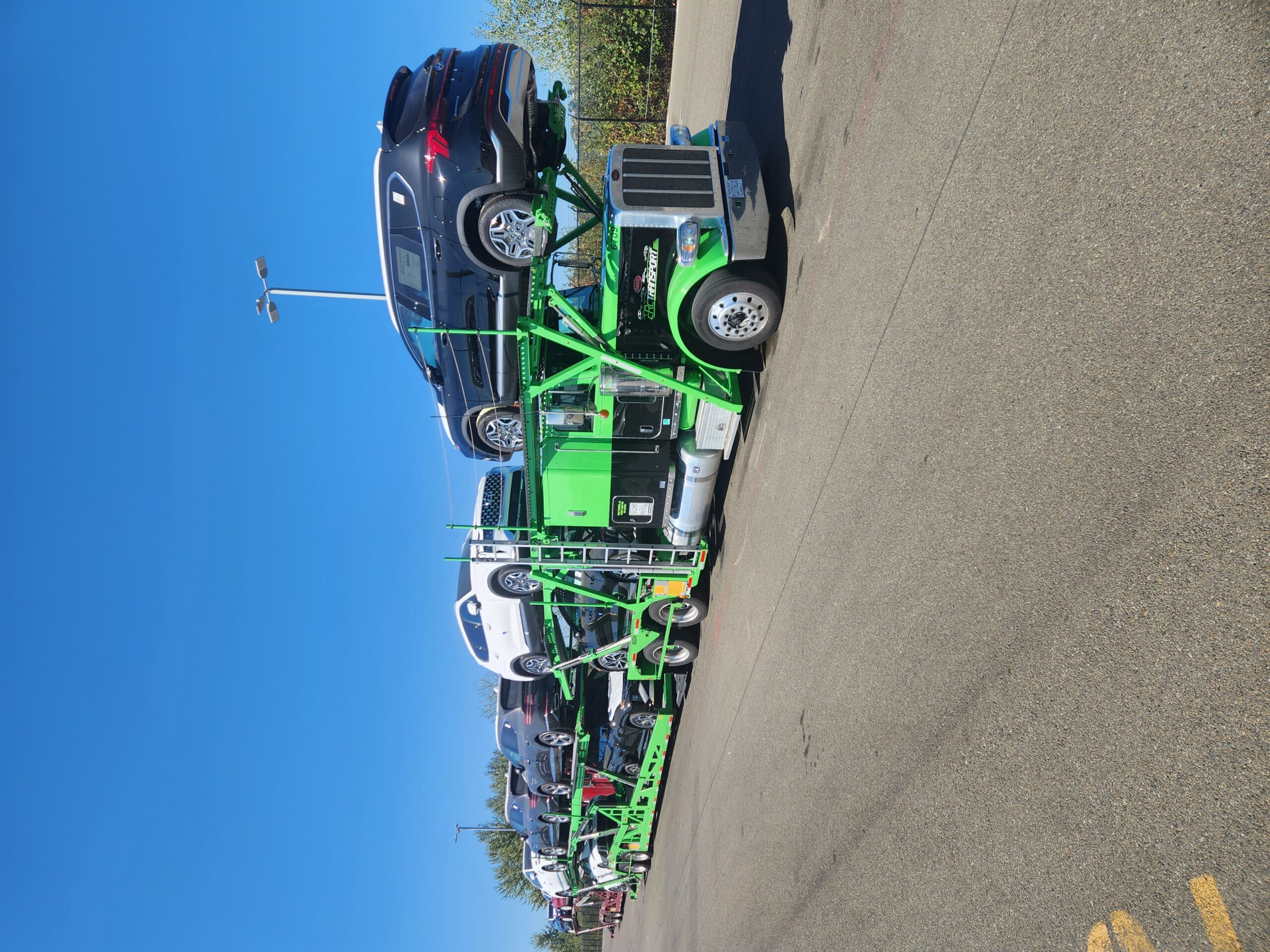
From Local to National: Scaling Your Dealership’s Transport Operations
As dealerships expand their reach, one of the biggest challenges they face is efficiently scaling vehicle logistics. Whether managing inventory across multiple states or optimizing regional deliveries, a reliable transport system is essential. Transitioning from local moves to nationwide logistics requires more than just additional carriers — it demands strategy, consistency, and trusted car shipper […]

Optimizing Vehicle Distribution from Port to Dealer
Optimizing vehicle distribution from port to dealer is one of the most critical stages in the automotive supply chain.
Digital Condition Reports: Reducing Damage Claims and Streamlining Delivery
In 2026 and beyond, paper-based inspection forms and manual documentation processes create risk, delay claims resolution, and increase administrative cost. VIN-level digital documentation improves transparency, accelerates dispute handling, and strengthens accountability across the vehicle distribution chain.
