
Open vs Enclosed Auto Transport – Strategic Decision Guide
Open vs Enclosed Auto Transport – Strategic Decision Guide
Open vs enclosed auto transport is not simply a pricing decision. It is a risk management decision.
In 2026, OEMs and high-volume dealerships must evaluate transport methods based on vehicle value, damage exposure, delivery urgency, insurance thresholds, and brand sensitivity. While open carriers dominate automotive distribution in the United States, enclosed transport plays a critical role for premium, EV, and launch vehicles.
Choosing correctly protects margin, reduces claims, and improves delivery predictability.
Understanding the Core Differences
Open Auto Transport
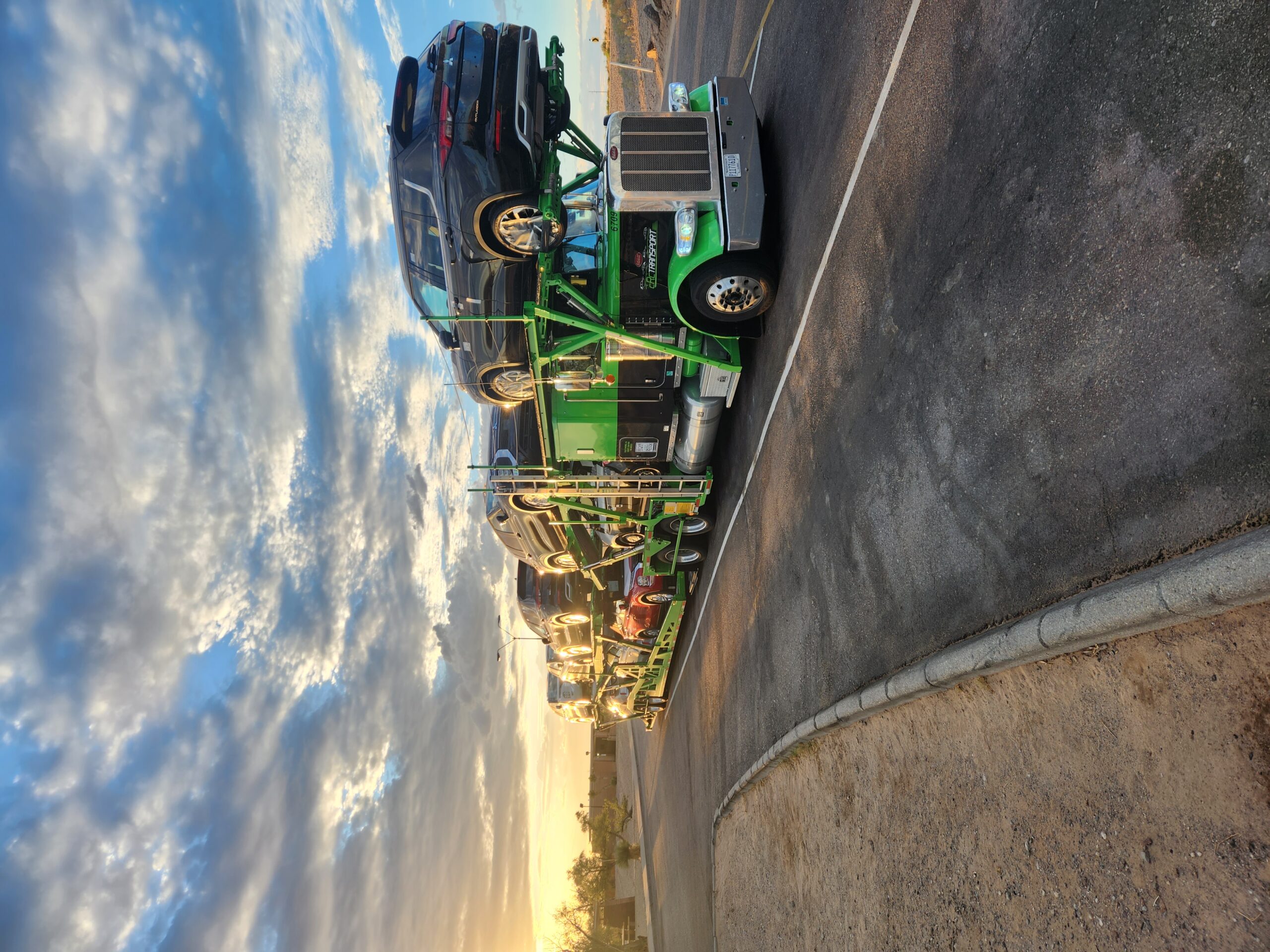
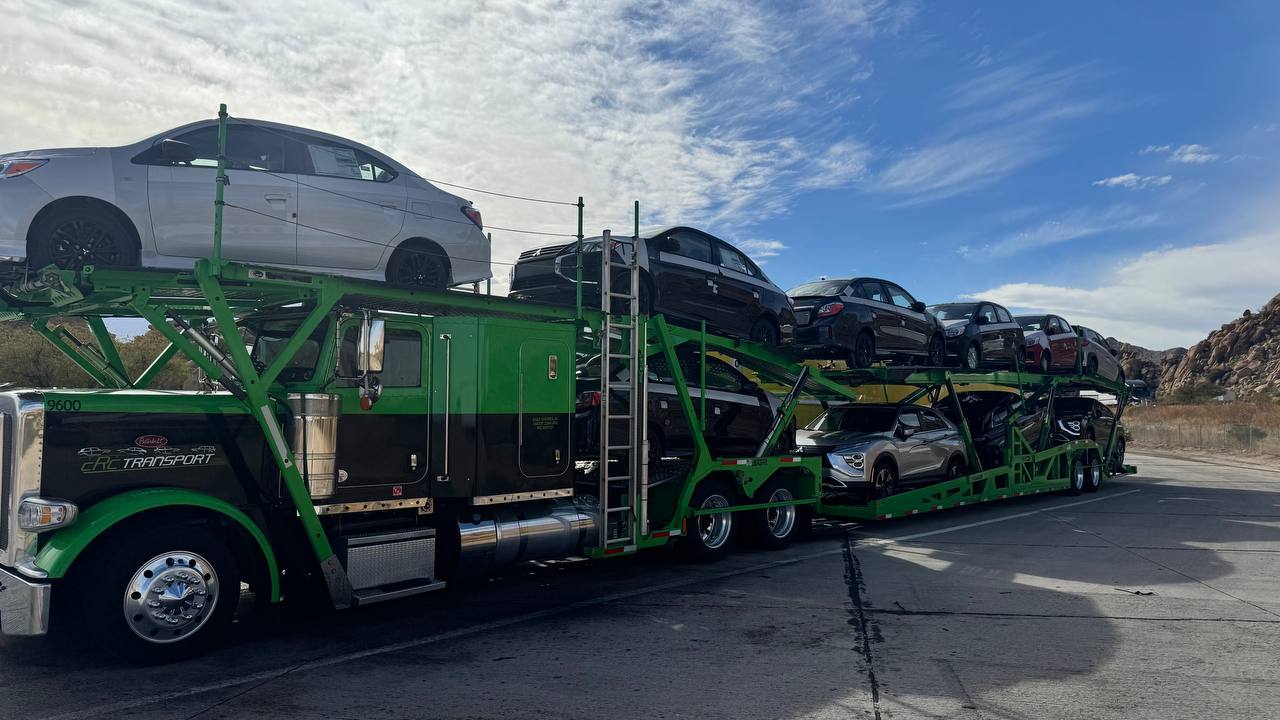
Open multi-vehicle carriers typically move 7 to 9 vehicles per load. This is the industry standard for:
- New vehicle distribution
- Dealer inventory transfers
- Auction-to-dealer shipments
- Fleet replenishment
Advantages:
- Lower cost per unit
- Higher availability
- Efficient consolidation
- Faster scheduling flexibility
Limitations:
- Exposure to weather
- Road debris risk
- Environmental contaminants
Enclosed Auto Transport
Enclosed carriers typically move 2 to 6 vehicles per load, depending on configuration.
Best suited for:
- High-value luxury vehicles
- Performance models
- EV launch units
- Prototype or confidential shipments
- Specialty trims with sensitive finishes
Advantages:
- Weather protection
- Debris shielding
- Reduced cosmetic exposure
- Higher security level
Limitations:
- Higher per-unit cost
- Lower capacity availability
- Potential scheduling lead time
Cost Considerations
Cost difference between open and enclosed transport can be significant on a per-unit basis.
However, the decision should factor:
- Vehicle MSRP
- Insurance deductible exposure
- Potential reconditioning cost
- Delivery delay impact
- Brand perception risk
For high-value EVs or performance models, minor cosmetic damage may exceed the incremental enclosed shipping premium.
Cost must be evaluated against total risk exposure, not freight rate alone.
Risk Exposure Analysis
Environmental Exposure
Open transport exposes vehicles to:
- Rain
- Snow
- Road debris
- Dust
- Sun exposure
Enclosed transport reduces these factors significantly.
Damage Probability
While the majority of open shipments arrive without issue, high-value vehicles with:
- Low ground clearance
- Specialty paint
- Exposed sensors
- Advanced camera systems
may justify additional protection.
Damage claims create:
- Repair cost
- Calibration expense
- Delivery delay
- Dealer dissatisfaction
EV-Specific Considerations
Electric vehicles introduce unique factors:
- Higher vehicle weight
- Sensor-dense exteriors
- Premium pricing tiers
- Launch sensitivity
Most standard EV distribution moves successfully on open carriers. However, enclosed transport may be recommended for:
- Early production runs
- Media launch vehicles
- Executive demonstration fleets
- Specialty trims
The decision should align with vehicle profile and launch strategy.
Launch and Confidential Shipments
During new model launches, enclosed transport often becomes mandatory.
Reasons include:
- Confidentiality protection
- Controlled handling
- Reduced public exposure
- Dedicated driver oversight
For OEMs, launch logistics carry reputational risk that exceeds freight cost considerations.
Insurance and Claims Impact
Insurance thresholds should guide decision-making.
Dealers and OEMs should assess:
✔ Cargo insurance limits
✔ Deductible structures
✔ Claims processing time
✔ Digital inspection protocols
If a vehicle’s value significantly exceeds average unit value, enclosed shipping may reduce financial exposure.
Geographic and Route Considerations
Route characteristics influence decision.
High-risk corridors may include:
- Mountain routes
- High-debris construction zones
- Extreme weather regions
- Coastal salt exposure areas
Long-haul shipments across multiple climates increase cumulative exposure.
In certain seasons, enclosed transport becomes strategically advantageous for sensitive inventory.
Volume Strategy for Dealer Groups
High-volume dealer groups should segment inventory:
Category A – Standard retail inventory
Category B – Premium trims
Category C – High-value or specialty units
Open transport works efficiently for Category A.
Enclosed may be appropriate for Categories B and C depending on risk tolerance.
Structured segmentation reduces overuse of premium transport while protecting critical units.
Delivery Speed and Capacity
Open carriers generally provide:
- Faster dispatch availability
- Higher national coverage
- More flexible routing
Enclosed carriers may require:
- Advanced scheduling
- Limited equipment availability
- Dedicated coordination
For time-sensitive deliveries, equipment availability may influence decision more than risk profile.
Sustainability Considerations
Open multi-vehicle carriers maximize load capacity and reduce per-unit emissions.
Enclosed carriers carry fewer units, which may increase per-unit fuel impact.
Organizations tracking ESG metrics should consider consolidation efficiency as part of planning.
Strategic Decision Matrix
| Factor | Open Transport | Enclosed Transport |
| Cost Efficiency | High | Moderate to Low |
| Weather Protection | Limited | High |
| Capacity Availability | High | Moderate |
| Best for Standard Inventory | Yes | Not Necessary |
| Best for High-Value Units | Sometimes | Yes |
| Launch Protection | Limited | Strong |
| Sustainability Efficiency | Higher per unit | Lower per unit |
The CRC Transport Approach
CRC Transport evaluates open vs enclosed transport based on:
Vehicle Profile Assessment
- MSRP tier
- Sensitivity of exterior components
- Launch status
Lane Risk Evaluation
- Distance
- Environmental exposure
- Seasonal risk
Insurance Alignment
- Cargo limits
- Claims documentation
- Digital inspection protocols
By aligning equipment choice with vehicle value and route profile, CRC supports cost control without increasing exposure.
FAQ: Open vs Enclosed Auto Transport
Is enclosed transport always safer?
It reduces environmental exposure but does not eliminate all risk.
Do most OEM vehicles ship open?
Yes. Open multi-vehicle carriers remain the industry standard for standard production units.
When is enclosed mandatory?
Typically for prototypes, confidential launches, and ultra-high-value vehicles.
Does enclosed transport significantly delay delivery?
It can require additional scheduling lead time depending on availability.
Should dealers use enclosed for all premium vehicles?
Not necessarily. Decision should consider route risk, value, and insurance exposure.
Final Perspective
Open vs enclosed auto transport is a strategic logistics decision, not a simple upgrade option.
In 2026, OEMs and dealerships must balance cost efficiency with risk exposure, vehicle value, route conditions, and launch sensitivity.
The most effective strategy is not choosing one method exclusively, but applying each intentionally based on data, risk tolerance, and operational goals.
Reliable Experts in Automotive Transportation
Have any questions or wish to Schedule a pickup today?
Related Posts
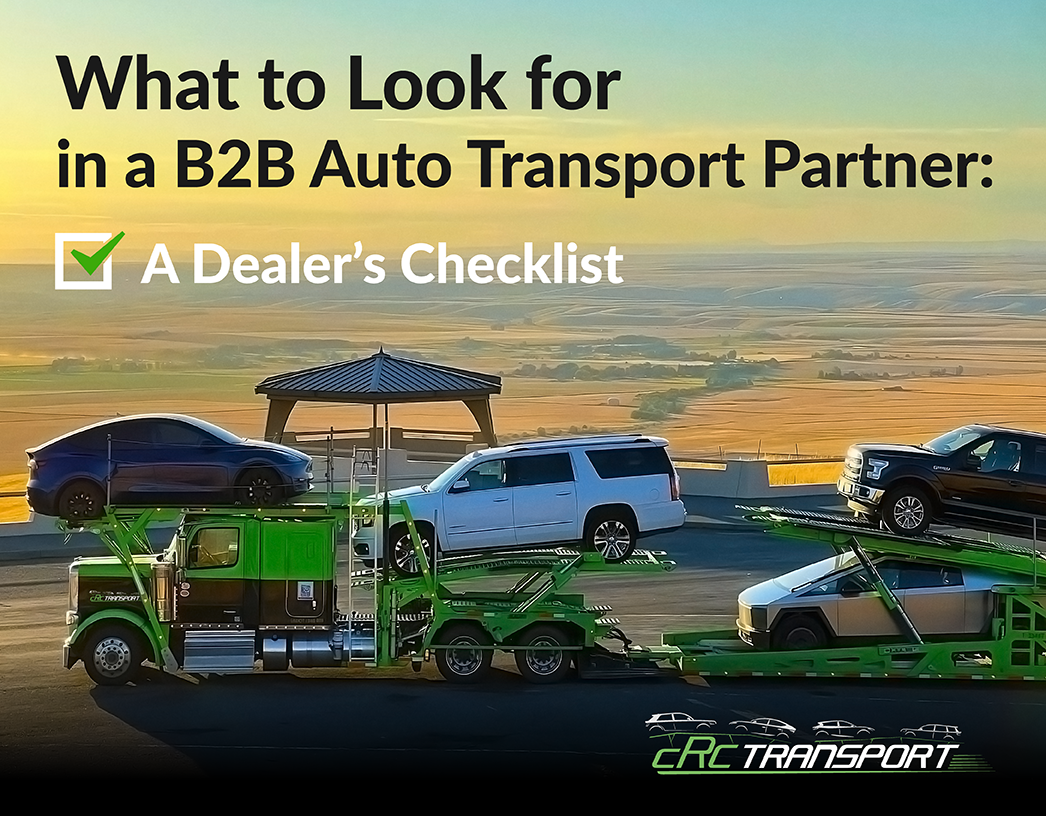
What to Look for in a B2B Auto Transport Partner: A Dealer’s Checklist
In today’s competitive automotive landscape, choosing the right auto transport partner can mean the difference between seamless operations and costly delays. With increasing demand for multi-location logistics, used inventory movement, and out-of-state deliveries, dealerships need a logistics provider that doesn’t just deliver vehicles – but delivers results.

The Business Value of Partnering with Nationwide Auto Transport Networks
For dealerships, rental agencies, and corporate fleets, transportation efficiency is more than logistics – it’s a competitive advantage. As vehicle demand shifts rapidly across regions, having access to nationwide auto transport networks ensures every car reaches the right market at the right time. Partnering with large-scale transport companies for vehicles provides flexibility, reliability, and scalability […]
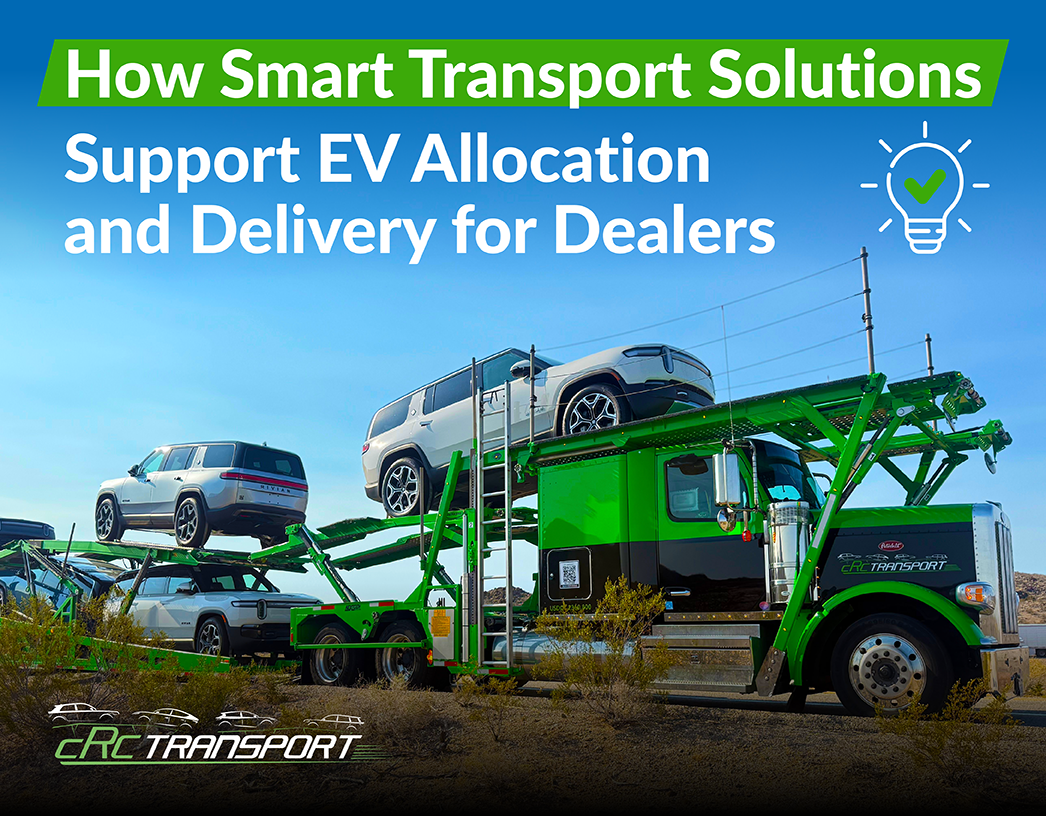
How Smart Transport Solutions Support EV Allocation and Delivery for Dealers
As the EV market grows, dealerships face increasing challenges in moving electric vehicles quickly and safely between locations. Whether it’s balancing allocations, responding to customer demand, or fulfilling manufacturer requirements, having access to a reliable vehicle transportation service is critical to ensuring smooth operations.
Shipping a Car for a Move: How to Make the Process Stress-Free
Relocating to a new city or state comes with many challenges, and transporting your car is often one of them. Whether you’re moving for work, family, or a fresh start, figuring out the best way to ship your car cross-country can seem overwhelming.
