The Hidden Cost of Cheap Car Transport for Dealerships
Why Real-Time Tracking Is Transforming Automotive Logistics
Modern automotive logistics is no longer just about moving vehicles from one point to another. The industry has evolved into a data-driven ecosystem where visibility, timing, and accuracy determine profitability. As dealerships, OEMs, and large auction operations deal with rising volume, more complex supply chains, and tighter delivery expectations, real-time tracking has become a critical tool for staying competitive.
In the past, dealers relied on vague delivery windows and manual check-ins to understand where their vehicles were. Today, advanced tracking systems eliminate uncertainty by offering continuous updates, instant notifications, and improved operational transparency. This shift allows businesses to make quicker decisions, reduce inefficiencies, and streamline inventory planning.
How Real-Time Tracking Enhances Dealer Efficiency
For dealerships, vehicle movement impacts everything from floorplan costs to sales velocity. Every hour a car spends in transit delays prep work, marketing, financing, and eventual sale. Real-time tracking solves this problem by giving dealers immediate access to pinpointed location data and accurate ETAs.
Key advantages for dealers include:
- More predictable scheduling – Teams can prepare for arrival with precision, reducing idle time in service bays and detailing departments.
- Better customer communication – When clients ask for status updates on newly purchased or transferred vehicles, the dealership can provide accurate timelines rather than estimates.
- Reduced operational friction – Managers can coordinate parking space availability, staffing, and internal workflows based on actual vehicle movement instead of assumptions.
When dealers know exactly when their inventory will land, they can increase turnover speed, reduce holding costs, and optimize staffing resources.
The Impact on OEM and Auction Logistics
OEMs and auctions handle higher volumes and more complex routing than individual dealerships, making real-time tracking even more valuable. For these organizations, visibility is not only about convenience but about maintaining continuity across the entire distribution chain.
OEMs benefit through:
- Improved production-to-distribution alignment – Knowing the exact transit status allows OEMs to balance factory output with carrier capacity and dealer demand.
- Higher accuracy in allocation planning – Real-time data helps OEMs adjust shipments and reassign loads dynamically when market needs shift.
- Fewer bottlenecks at distribution centers – With accurate arrival times, staff coordination becomes more efficient.
For auctions, tracking ensures smoother post-sale operations:
- Buyers receive accurate delivery expectations
- Auction yards avoid congestion and backlog
- Transport partners are held accountable for pickup and delivery timing
This level of transparency strengthens trust between auctions, transporters, sellers, and buyers.
Key Features That Make Modern Tracking Systems Essential
The value of real-time tracking comes from more than just GPS location dots on a map. Today’s systems integrate multiple layers of data, automation, and security features that elevate the logistics process.
Critical capabilities include:
- Continuous GPS updates with precise tracking throughout transit
- Automated status notifications at pickup, in transit, arrival, and completion
- Digital condition reports that include timestamped photos
- API integrations that connect directly with dealer and OEM management systems
- Performance analytics that help companies refine routes and scheduling over time
These features reduce manual work, cut communication delays, and provide a level of reliability that traditional tracking methods could never achieve.
Reducing Risk, Errors, and Damage Claims
One of the biggest advantages of real-time tracking is risk reduction. Every year, the industry faces costly disputes due to unclear timelines, communication gaps, or damage claims. Tracking technologies significantly lower these risks by documenting each stage of the trip.
Benefits include:
- Clear evidence of vehicle condition before and after transport
- Accurate timestamps for every leg of the journey
- Immediate identification of delays that might affect logistics planning
- Reduced fraud or misinformation because all parties have shared, verified data
For B2B operations that move large numbers of vehicles, fewer disputes mean lower administrative costs and better long-term relationships with transport providers.
How Tracking Supports Faster Inventory Turnover
Inventory turnover is a core profitability driver for dealerships. Faster arrival means faster prep, faster marketing, and faster selling. Real-time tracking supports this by eliminating wait-time uncertainty.
It helps teams:
- Prepare detailing and service bays in advance
- Schedule technicians more efficiently
- Notify sales managers of incoming units
- Reduce delays in CRM updates and online listings
As soon as a car hits the lot, it starts generating value. Tracking accelerates that moment.
Why Transport Partners Must Offer Real-Time Tracking Today
For modern dealers, OEMs, and auctions, choosing a transport partner without real-time tracking is a risk. Logistics expectations are rising, and transparency is no longer optional. Transport companies that offer reliable, tech-enabled solutions stand out as more trustworthy, more efficient, and more aligned with modern supply chain demands.
A partner that provides tracking helps clients:
- Improve planning
- Reduce operational uncertainty
- Strengthen accountability
- Enhance customer experience
- Increase efficiency across the entire logistics pipeline
Transport companies that embrace these technologies set a higher industry standard.
Final Thoughts
Real-time tracking is no longer a convenience – it has become a foundational requirement in modern automotive logistics. Dealers, OEMs, and auctions rely heavily on precise data to maintain operational continuity, improve inventory flow, and reduce risk. As the supply chain becomes more digitized and more integrated, tracking technology will only grow in importance.
Reliable Experts in Automotive Transportation
Have any questions or wish to Schedule a pickup today?
Related Posts
Digital Condition Reports + Smart Transport: The New Standard in Damage Prevention
Damage prevention has become one of the most important priorities for dealerships, auctions, and remarketing partners. With margins tightening and vehicle values rising, even minor transport-related issues can create major slowdowns — from delays in reconditioning to disputes that drain time and resources. As the industry shifts toward digitalization, two tools are becoming essential for […]
At CRC Transport, safety reigns supreme
Our commitment to secure car transportation is unwavering
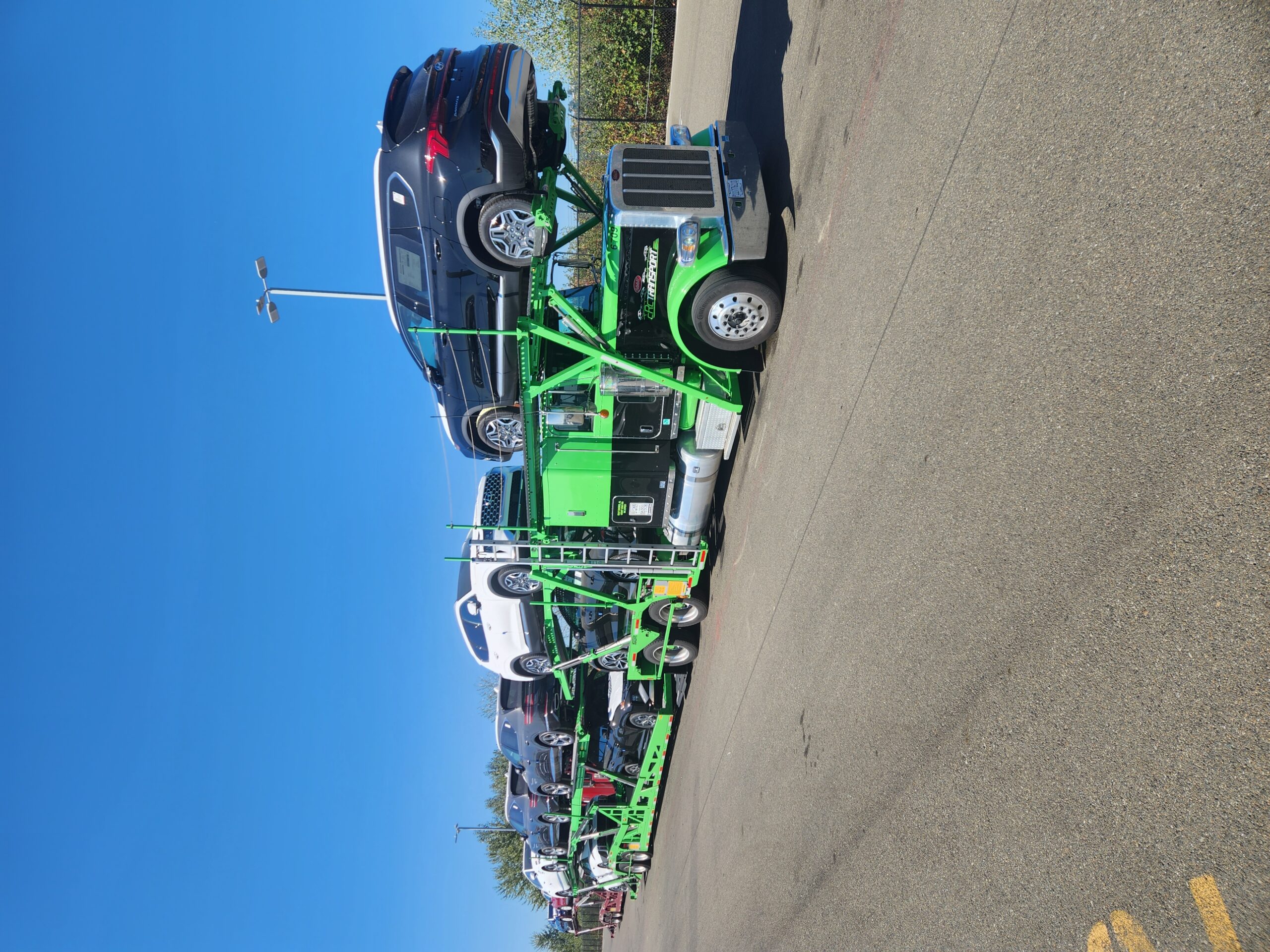
How Optimized Transport Scheduling Drives Profitability and Efficiency for Dealerships
For dealerships, transport scheduling is far more than a logistics detail — it’s a key factor that directly affects profitability, operational efficiency, and customer satisfaction. Vehicles that arrive late, in the wrong order, or without proper coordination can create bottlenecks in recon, sales, and lot placement, increasing costs and slowing inventory turnover. Understanding the relationship […]
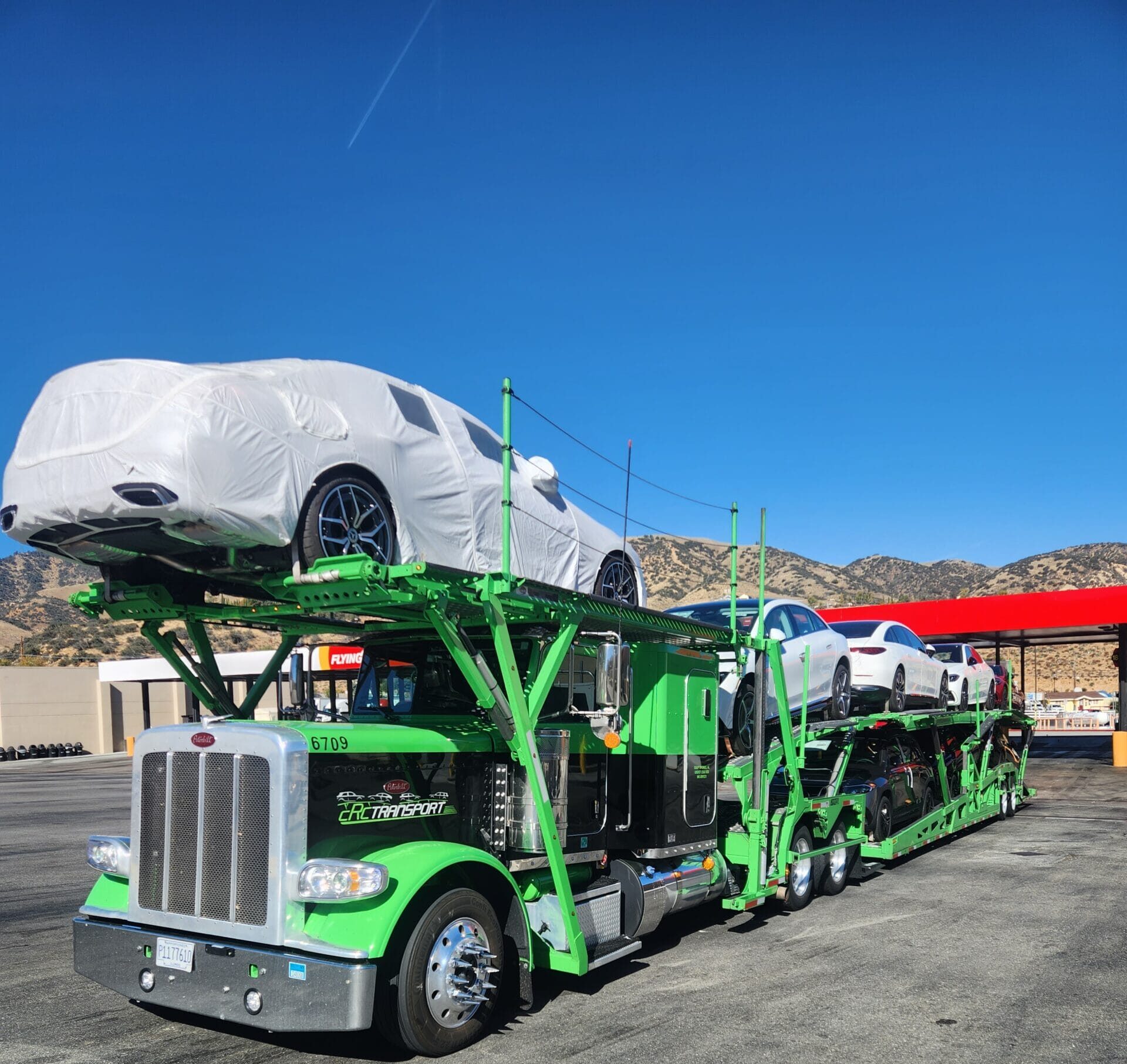
Car Shipping for Classic and Luxury Vehicles: Ensuring Safe Transport with Open Carriers
Transporting classic and luxury vehicles demands extra care, especially when you’re not using enclosed trailers. Fortunately, open transport remains a safe, reliable, and cost-effective solution – if you choose the right partner.
