
The Rise of AI in Automotive Transport Planning
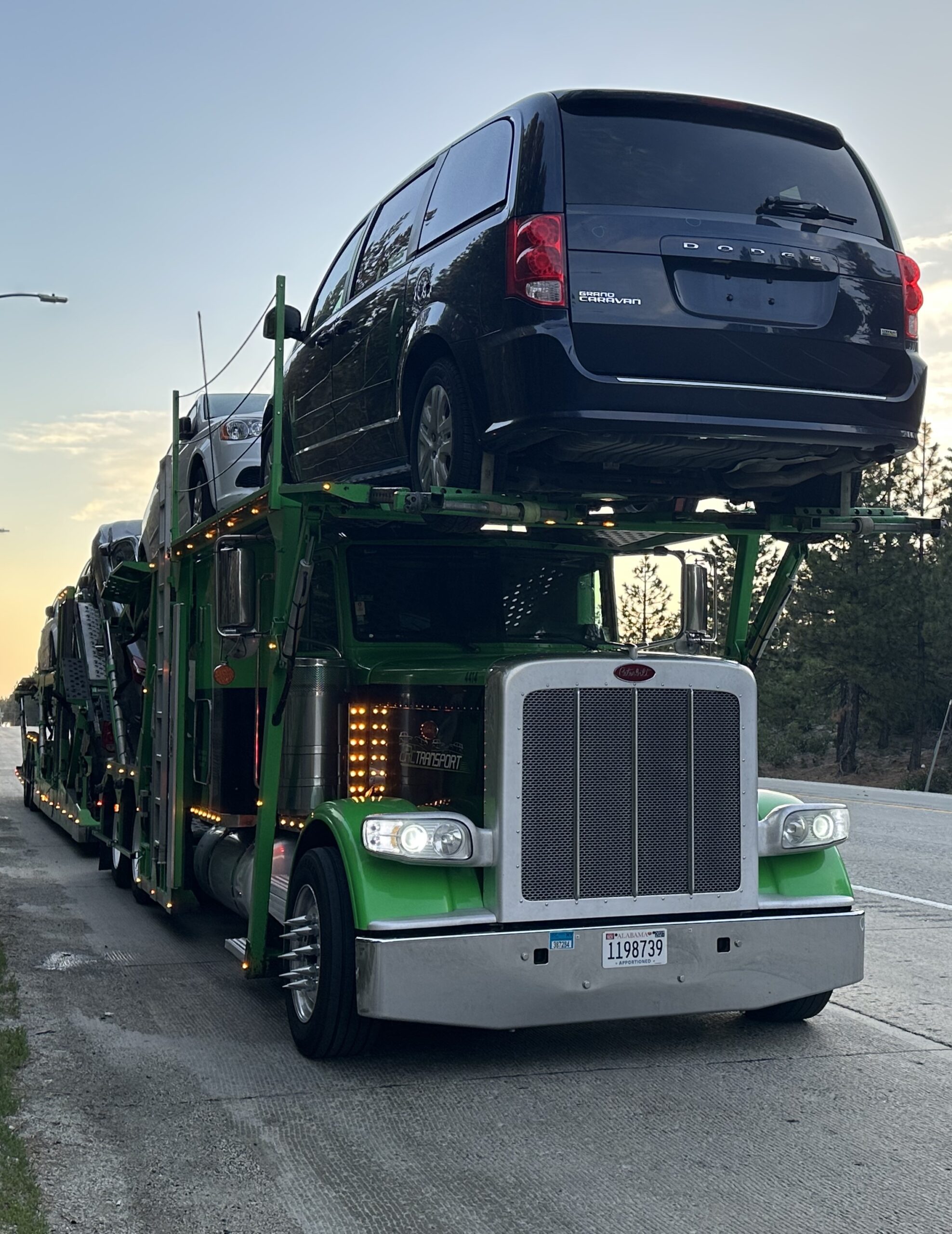
The Rise of AI in Automotive Transport Planning
AI in automotive transport planning is no longer experimental — it is operational.
As OEM vehicle distribution networks grow more complex, traditional dispatch logic is being replaced by predictive modeling, automated lane optimization, and real-time exception management. In 2026 and beyond, artificial intelligence is becoming a core layer of automotive logistics infrastructure.
For OEMs, dealer groups, and fleet operators, AI-driven transport planning is delivering measurable improvements in:
- Cost per mile
- On-time performance
- Inventory velocity
- Risk mitigation
- EV-specific handling efficiency
This article explores how AI is reshaping automotive transport planning across the U.S. distribution ecosystem.
Why Automotive Logistics Needed AI
Automotive transport planning involves high variability:
- Weather disruptions
- Traffic congestion
- Production schedule shifts
- Dealer demand volatility
- EV handling constraints
- Capacity shortages
Manual dispatch systems struggle to adapt in real time.
AI systems analyze:
- Historical lane performance
- Seasonal fluctuations
- Real-time GPS signals
- Regional capacity trends
- Fuel cost volatility
- Insurance risk exposure
The result is adaptive planning — not static routing.
1. Predictive Route Optimization
Traditional route planning relies on static distance calculations. AI models incorporate:
- Historical delay patterns
- Weather forecasts
- Traffic congestion modeling
- Road restriction databases
- Seasonal volume changes
Instead of “shortest distance,” AI calculates “lowest risk-adjusted delivery time.”
Benefits for OEMs:
- Improved ETA accuracy
- Reduced dwell time
- Fewer late dealer deliveries
- Lower penalty exposure
For long-haul corridors like Michigan to Texas or Georgia to California, predictive routing significantly reduces performance variance.
2. VIN-Level Intelligence
Modern AI systems process data at the VIN level.
This enables:
- Individual vehicle status monitoring
- Damage pattern analysis
- Claim probability modeling
- Transport history tracking
- Warranty risk correlation
AI can identify trends such as:
- Specific lanes with elevated minor damage risk
- Loading configurations tied to claims
- High-risk weather corridors
This transforms transport from reactive to preventative.
3. Capacity Forecasting & Dynamic Allocation
Carrier capacity fluctuates seasonally.
AI models forecast:
- Peak production periods
- EV launch surges
- Auction season volume spikes
- Recall campaigns
This allows:
- Pre-positioned carrier assets
- Dedicated equipment scheduling
- Reduced spot market dependency
- Lower expedited shipping costs
In 2026, OEMs increasingly expect logistics partners to provide predictive capacity modeling — not just dispatch execution.
4. EV-Specific Planning Intelligence
EV transport adds new planning variables:
- Weight distribution constraints
- Battery state-of-charge requirements
- Specialized loading procedures
- Enclosed transport prioritization
- Regulatory considerations
AI models incorporate:
- Equipment compatibility databases
- Load configuration simulations
- Energy efficiency modeling
- Temperature pattern forecasts
This ensures EV distribution aligns with safety and compliance requirements.
5. Exception Detection & Autonomous Alerts
AI systems monitor shipments in real time.
They detect:
- Route deviation
- Unplanned stops
- Delay probability spikes
- Weather hazard exposure
- Temperature anomalies (where applicable)
Instead of waiting for driver updates, AI sends automated alerts to:
- OEM logistics teams
- Dealer receiving managers
- Fleet coordinators
Proactive communication reduces downstream operational disruption.
6. Claims & Risk Mitigation Modeling
One of the most impactful AI applications is damage risk modeling.
By analyzing:
- Carrier performance history
- Weather exposure data
- Route elevation and terrain
- Loading configuration data
- Seasonal trends
AI identifies patterns tied to elevated claims.
This allows:
- Adjusted route selection
- Enhanced inspection protocols
- Modified load sequencing
- Targeted driver training
Reduced claims directly protect OEM and dealer margin.
7. Dealer Demand Forecasting Integration
AI is increasingly integrated with dealer sales velocity data.
This supports:
- Dynamic redistribution of units
- Smarter plant-to-region allocation
- Reduced overstock scenarios
- Faster replenishment for high-performing markets
Transport planning becomes synchronized with retail demand — not separated from it.
8. Sustainability Optimization
AI also improves environmental performance.
Through route clustering and load optimization:
- Empty miles decrease
- Fuel efficiency improves
- Per-unit emissions drop
- Idle time reduces
For OEMs reporting carbon metrics, AI-driven optimization contributes measurable sustainability gains.
9. API-Driven Ecosystems
AI transport planning is most powerful when integrated into:
- ERP systems
- Transportation Management Systems (TMS)
- Dealer management platforms
- Supply chain analytics dashboards
Modern logistics partners must provide API-compatible visibility and reporting to support AI workflows.
Without integration, AI remains isolated.
With integration, it becomes operational infrastructure.
AI vs Human Dispatch: The Hybrid Model
AI does not eliminate dispatchers. It augments them.
AI handles:
- Data aggregation
- Predictive modeling
- Risk scoring
- Optimization simulations
Human planners handle:
- Relationship management
- Complex exception resolution
- Strategic lane adjustments
- Confidential prototype coordination
The strongest 2026 logistics models combine AI intelligence with experienced operational oversight.
Evaluation Checklist: AI-Enabled Transport Partners
OEMs and dealer groups should assess:
✔ Predictive ETA modeling
✔ VIN-level tracking analytics
✔ Real-time exception alerts
✔ Capacity forecasting tools
✔ Claims data analysis
✔ API integration capability
✔ EV-specific planning intelligence
✔ Sustainability reporting
AI adoption should be measurable — not just marketing language.
The CRC Transport Approach to AI-Driven Planning
CRC Transport integrates structured data analysis into vehicle logistics operations through:
1. Lane Performance Review
- Historical delay evaluation
- Risk-adjusted routing decisions
- Weather-aware planning
2. VIN-Level Monitoring
- Real-time shipment tracking
- Digital documentation
- Exception alerting
3. Continuous Optimization
- Claims trend analysis
- Load configuration refinement
- Carrier performance scoring
By combining predictive modeling with operational oversight, CRC supports OEMs and dealer groups navigating increasingly complex distribution networks.
FAQ: AI in Automotive Transport Planning
Does AI replace dispatchers?
No. AI enhances decision-making but still requires human operational management.
Is AI only useful for large OEMs?
High-volume networks benefit most, but dealer groups also gain from predictive routing and cost optimization.
How does AI reduce damage risk?
By identifying patterns in routes, loading methods, and carrier performance tied to elevated claims.
Does AI improve delivery speed?
It improves predictability and reduces variance — often resulting in faster average transit times.
Is AI integration expensive?
Initial implementation varies, but long-term cost savings from optimization and risk reduction typically outweigh investment.
Final Perspective
The rise of AI in automotive transport planning reflects a broader shift: logistics is becoming data infrastructure.
In 2026 and beyond, the competitive advantage will not belong to the lowest bidder — but to the most intelligent network.
For OEMs and dealer groups seeking operational stability, AI-driven planning is no longer optional. It is foundational.
Reliable Experts in Automotive Transportation
Have any questions or wish to Schedule a pickup today?
Related Posts

ALSC Europe 2024
CRC Transport was thrilled to explore Europe and actively participate in this dynamic event.
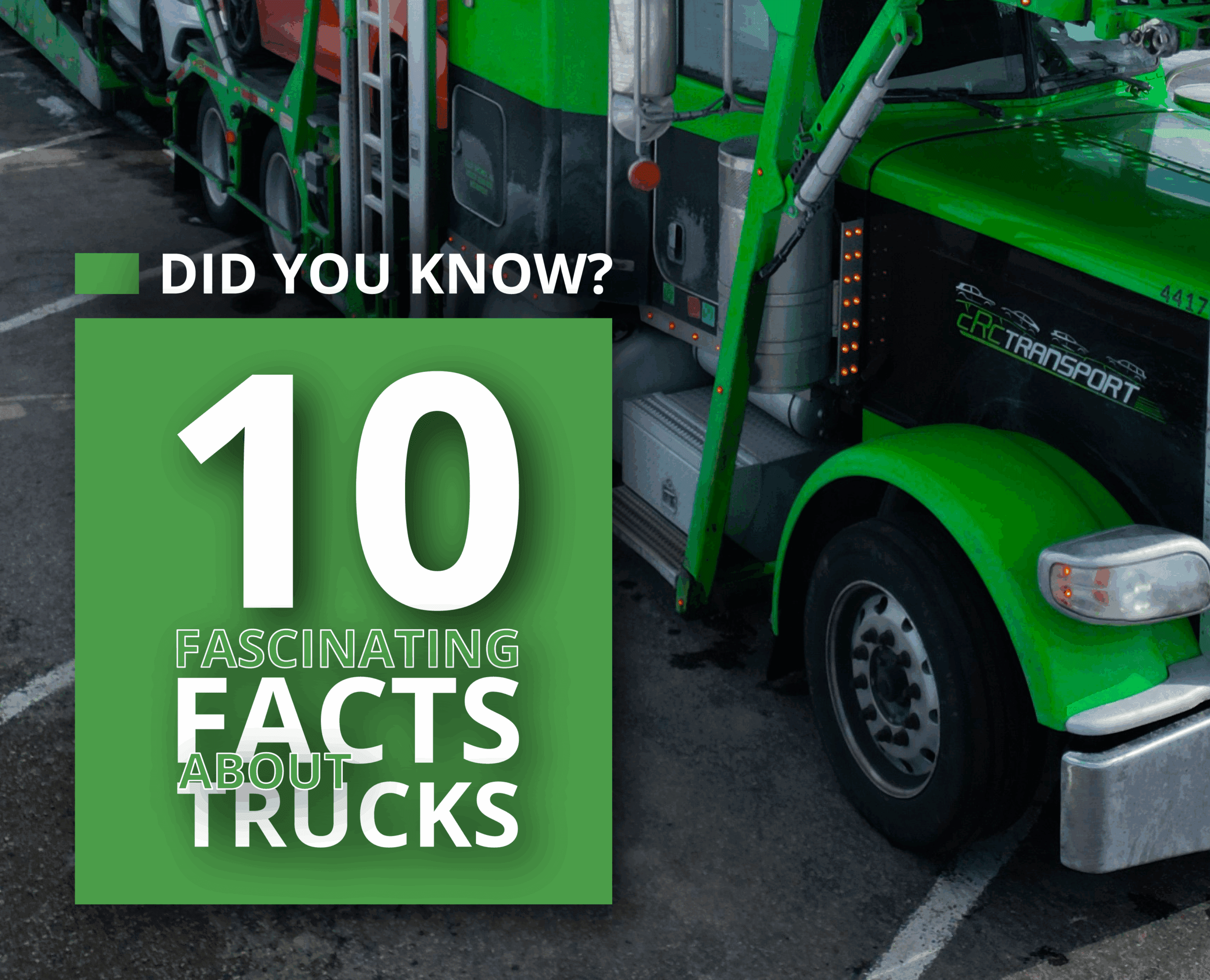
10 Fascinating facts about trucks. Did you know these?
The trucking industry plays a vital role in global commerce, ensuring the efficient movement of goods and supporting economic stability. Beyond their operational importance, trucks represent a rich history of innovation and technological advancements.
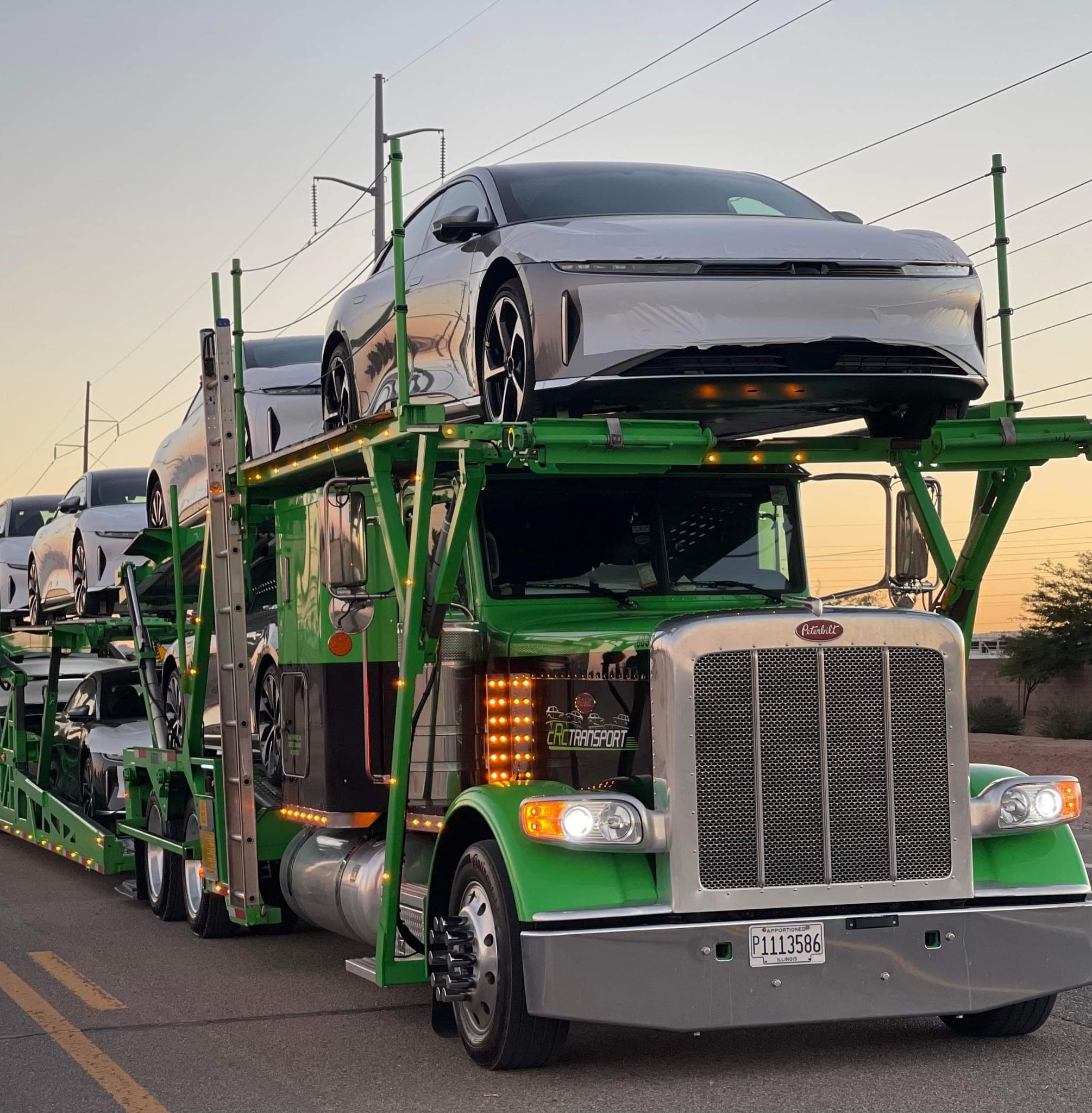
The Future of B2B Auto Transport: AI, Automation, and Predictive Logistics
Artificial intelligence is no longer a futuristic idea – it’s redefining the present of B2B auto transport. For dealerships coordinating multi-state deliveries, AI-powered logistics systems bring clarity and speed to once complex operations. By analyzing routes, performance metrics, and fuel data, AI provides actionable insights that help determine how much does it cost to ship […]
Let’s Talk Logistics: CRC Transport at Used Car Week 2025
Used Car Week kicks off today 🔥 Find us at Booth 101 to discuss logistics solutions that keep your fleet moving and your operations efficient — from capacity planning to cross-border coordination. Play our game, grab some CRC Transport merch, and let’s talk about what’s actually slowing down your inventory turns. Week’s just getting started. […]
