
Transport Planning for EV Launch Campaigns
Transport Planning for EV Launch Campaigns
Transport planning for EV launch campaigns requires a higher level of precision than standard production distribution.
In 2026, electric vehicle launches are tightly coordinated marketing, production, and dealer activation events. Delays, damage, or confidentiality breaches during launch logistics can impact brand perception, sales momentum, and dealer performance.
Unlike routine distribution, EV launch transport is time-sensitive, visibility-intensive, and risk-exposed.
OEM logistics teams must treat launch distribution as a structured operational program – not a standard shipping cycle.
Why EV Launch Logistics Is Different
EV launches typically involve:
- Compressed distribution timelines
- High-value units
- Executive demonstration fleets
- Media vehicles
- Early production runs
- Confidential routing requirements
Any disruption during the launch phase has amplified impact.
Damage during routine distribution affects margin.
Damage during launch affects reputation.
1. Capacity Forecasting Before Production Release
One of the most common launch failures is late-stage capacity scrambling.
EV launch planning should begin with:
- Volume forecasting by region
- Dedicated carrier reservation
- Equipment type allocation
- Enclosed carrier scheduling
- Multi-state routing design
Capacity should be secured before units leave the plant.
Spot market dependence increases risk exposure during launch windows.
2. Enclosed vs Open Strategy for Launch Units
While standard EV production often moves via open carriers, launch units frequently justify enclosed transport.
Enclosed transport is recommended for:
- Media reveal vehicles
- Executive demonstration fleets
- First production shipments
- Specialty trims
- Confidential pre-release units
Protection level must match exposure risk and brand sensitivity.
3. Confidentiality and Controlled Handling
Pre-release EV models may require restricted visibility.
Launch transport plans should address:
- Limited driver access
- Secure routing
- Reduced public exposure
- Controlled yard staging
- Documentation privacy
Confidential routing and limited touchpoints reduce information leakage risk.
4. VIN-Level Tracking and Real-Time Visibility
Launch campaigns require precise delivery timing.
OEM teams need:
- VIN-level GPS tracking
- Predictive ETAs
- Digital inspection reporting
- Real-time exception alerts
- Centralized reporting dashboards
Dealer marketing schedules depend on delivery certainty.
Visibility supports synchronized reveal campaigns and inventory announcements.
5. Damage Prevention During Launch
EV launch vehicles often include:
- Premium paint finishes
- Advanced sensor systems
- High MSRP configurations
- Early production hardware
Damage risk mitigation should include:
- Structured load planning
- Digital condition reports at pickup and delivery
- Reduced handling transfers
- Dedicated drivers when appropriate
Launch damage generates disproportionate negative impact.
6. Regional Distribution Phasing
Large-scale EV launches often require staged regional rollouts.
Strategic phasing includes:
- Priority markets
- Dealer density mapping
- Demand forecasting alignment
- Staggered arrival waves
Coordinated regional distribution prevents bottlenecks and uneven inventory flow.
7. EV-Specific Operational Considerations
Launch transport must address EV-specific requirements such as:
- Battery state of charge alignment
- Charging availability at staging hubs
- Weight distribution compliance
- Equipment ramp compatibility
Failure to account for EV technical factors can delay activation at the dealership level.
8. Weather and Environmental Risk Planning
Launch timelines are often fixed, but weather is not.
Transport planners should:
- Evaluate seasonal climate exposure
- Prepare alternate routing strategies
- Monitor storm patterns
- Adjust scheduling buffers without disrupting campaign timing
Proactive planning reduces last-minute rescheduling.
9. Dealer Readiness Coordination
Transport timing must align with dealer operational readiness.
Launch coordination should confirm:
- Charging infrastructure availability
- Recon scheduling capacity
- Sales team training completion
- Marketing material readiness
Vehicles arriving before dealer preparation creates inefficiency.
Vehicles arriving late disrupt campaign execution.
Synchronization is critical.
10. Post-Launch Performance Review
After campaign completion, OEMs should analyze:
✔ Transit time variance
✔ Damage frequency
✔ Delivery synchronization accuracy
✔ Capacity utilization
✔ Regional performance differences
Launch analytics inform future campaign optimization.
Continuous improvement reduces long-term operational risk.
EV Launch Transport Risk Mitigation Checklist
✔ Dedicated capacity reserved in advance
✔ Enclosed equipment allocation for sensitive units
✔ VIN-level real-time tracking
✔ Digital condition reporting
✔ Confidential routing protocols
✔ EV weight and charge coordination
✔ Regional distribution phasing
✔ Weather contingency planning
Launch logistics requires structured oversight at every stage.
The CRC Transport EV Launch Framework
CRC Transport supports EV launch campaigns through:
Dedicated Planning Phase
- Volume forecasting
- Equipment allocation
- Lane mapping
- Risk assessment
Controlled Execution
- VIN-level tracking
- Secure handling protocols
- Digital inspection documentation
- Proactive exception management
Post-Launch Review
- KPI reporting
- Damage trend analysis
- Delivery performance evaluation
This structured approach supports predictable, brand-sensitive EV launch execution across U.S. markets.
FAQ: EV Launch Transport Planning
Why is launch transport more complex than standard distribution?
Launch units carry higher brand and timing sensitivity, requiring stricter oversight.
Is enclosed shipping mandatory for EV launches?
Not always, but it is commonly used for premium or confidential units.
How early should capacity be secured?
Ideally before production release and regional allocation.
Does EV launch planning require dealer coordination?
Yes. Delivery timing must align with dealer readiness and marketing rollout.
What is the biggest risk during EV launches?
Delivery delay or damage that disrupts synchronized campaign timing.
Final Perspective
Transport planning for EV launch campaigns demands coordination, visibility, confidentiality, and risk control.
In 2026, successful EV launches depend not only on production readiness and marketing execution, but also on disciplined logistics planning.
OEMs that integrate launch logistics into strategic planning frameworks protect brand reputation, dealer confidence, and operational stability during high-impact campaign windows.
Reliable Experts in Automotive Transportation
Have any questions or wish to Schedule a pickup today?
Related Posts
Performance at scale doesn’t happen by chance
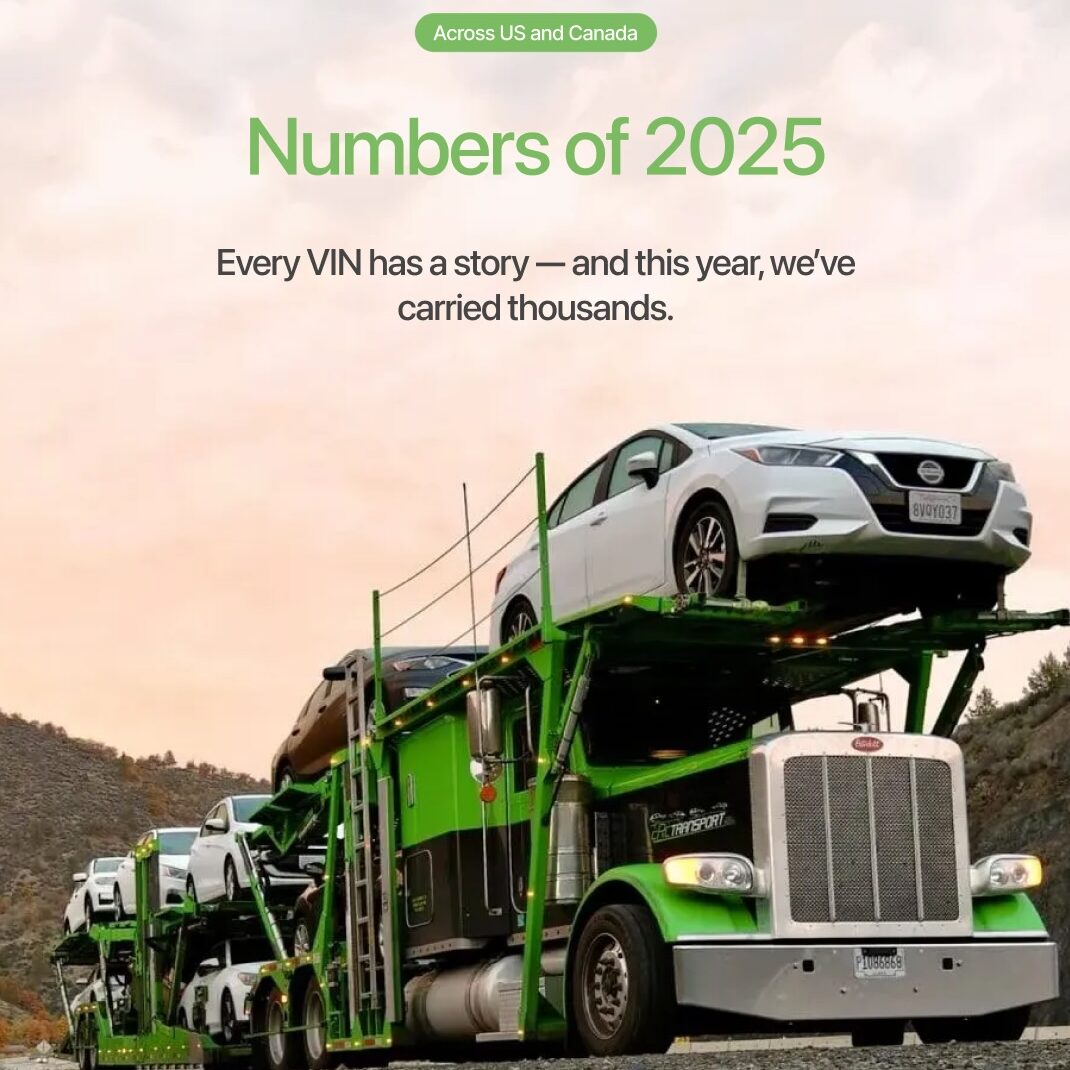
Performance at scale doesn’t happen by chance. In 2025, CRC Transport delivered consistent results across a growing, modern fleet — supporting OEMs and dealers with predictable transit, minimal dwell time, and industry-leading damage prevention. These figures reflect more than volume. They represent operational discipline, long-term partnerships, and a team structured to perform under pressure. Reliable […]
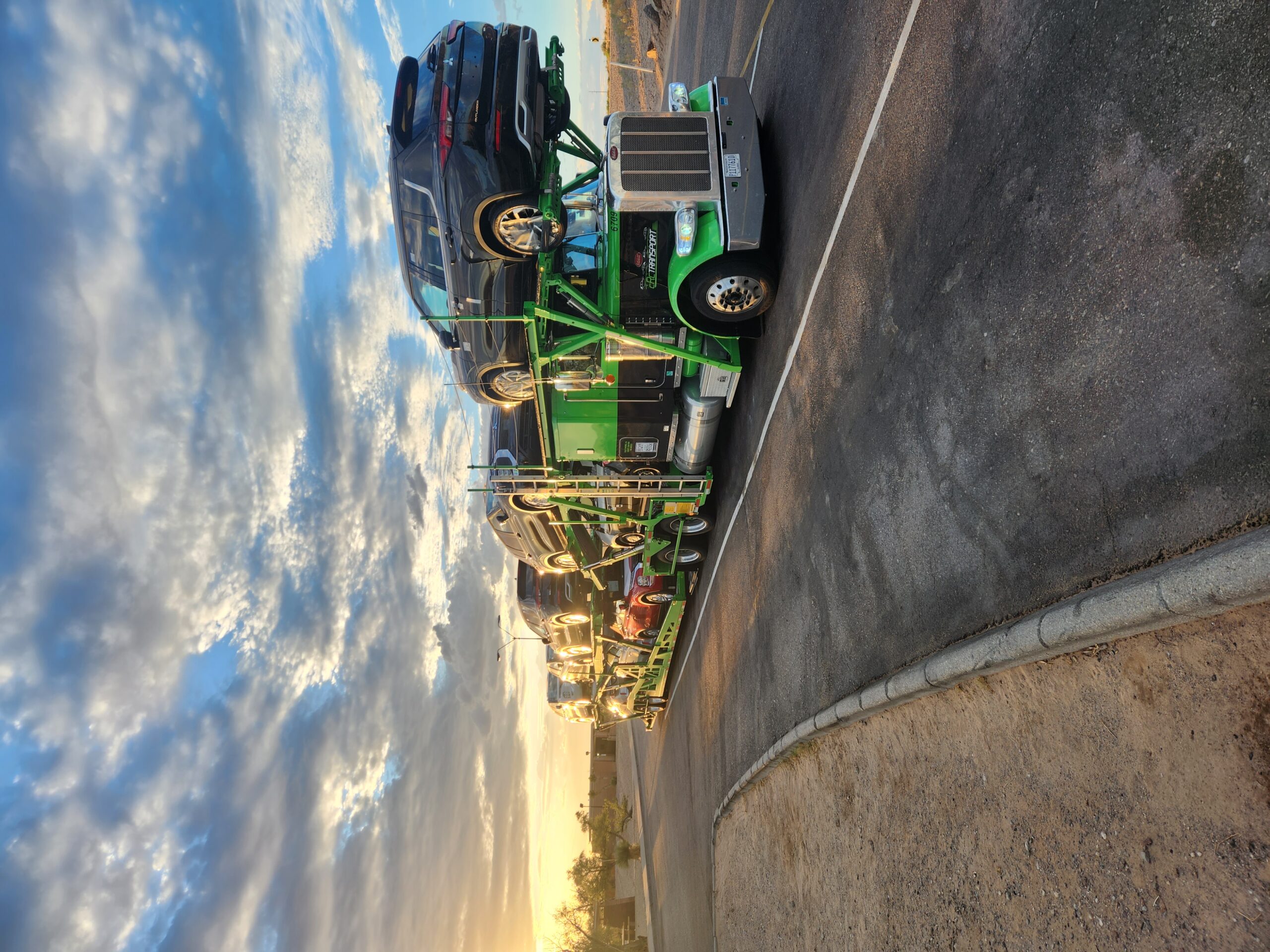
Open vs Enclosed Auto Transport – Strategic Decision Guide
Open vs enclosed auto transport is not simply a pricing decision. It is a risk management decision.

Our Values
At CRC Transport, our journey is not just about transporting vehicles; it’s a commitment to values that define our character and service. Our foundation is built on three core pillars.
Shipping a Non-Running Car: What You Need to Know
Not every vehicle is ready to drive onto a trailer. Whether it’s due to mechanical issues, an accident, or restoration work, shipping a non-running car comes with its own set of challenges. Fortunately, many car shipping services are equipped to handle inoperable vehicles with the right tools and experience.
