
Vehicle Logistics for Multi-State Dealer Groups
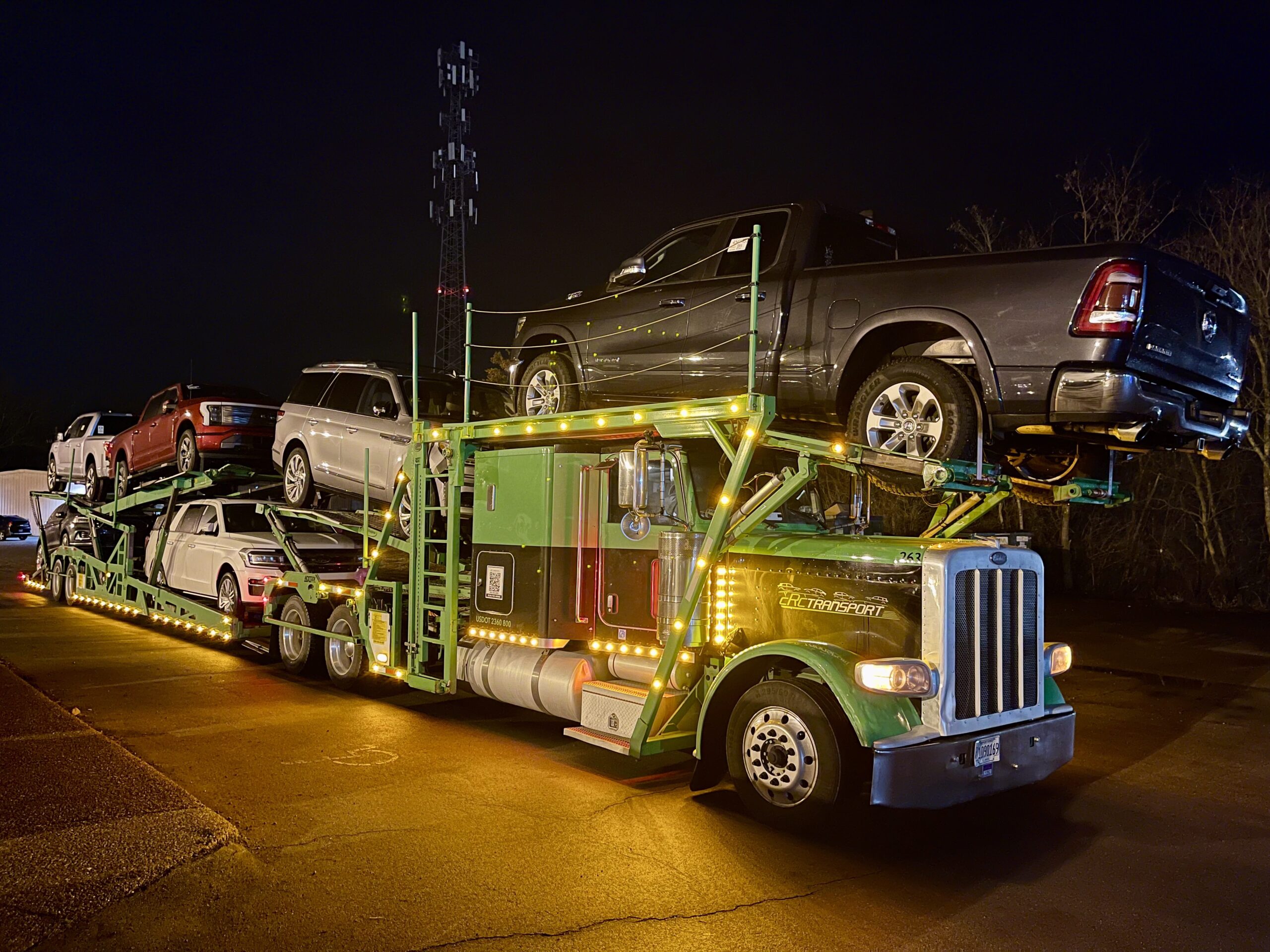
Vehicle Logistics for Multi-State Dealer Groups
Vehicle logistics for multi-state dealer groups is significantly more complex than single-rooftop distribution.
In 2026, dealer networks operating across multiple states must coordinate inventory acquisition, inter-store transfers, auction purchases, OEM allocations, EV deliveries, and customer demand shifts across wide geographic areas. Without structured transport planning, freight cost rises, delivery variance increases, and floorplan exposure expands.
Multi-state operations require centralized oversight, lane discipline, and scalable visibility infrastructure.
Why Multi-State Logistics Requires Structured Planning
Dealer groups operating across state lines face:
- Multiple regulatory environments
- Diverse weather exposure
- Varied demand velocity by region
- Inter-dealer inventory balancing
- Higher cumulative freight spend
- Increased delivery variance risk
Each additional state adds operational variables.
Unstructured dispatching leads to inefficiency.
1. Define Core Lanes Across the Network
Multi-state dealer groups should identify recurring corridors such as:
- Auction to regional hub
- OEM plant to primary store
- Store-to-store transfers
- Port to inland distribution center
Lane-based planning allows:
- Historical performance tracking
- Predictive transit modeling
- Carrier performance benchmarking
- Cost stability
Defined lanes reduce variability and improve planning accuracy.
2. Centralize Transport Oversight
Decentralized dispatch often leads to inconsistent practices across locations.
A centralized logistics coordination model ensures:
- Consolidated load planning
- Unified carrier relationships
- Standardized inspection protocols
- Consistent insurance review
- Coordinated delivery scheduling
Central control improves cost leverage and operational stability.
3. Optimize Multi-Vehicle Consolidation
Volume aggregation is a major advantage for multi-state groups.
Strategic consolidation allows:
- Cross-location load clustering
- Hub-and-spoke routing
- Backhaul optimization
- Reduced empty miles
- Lower per-unit freight cost
High-volume dealer groups can leverage scale to stabilize rates and improve equipment utilization.
Consolidation is a competitive advantage.
4. Manage Inter-Dealer Transfers Strategically
Vehicle redistribution between rooftops is common.
Without structured planning, inter-store transfers:
- Increase freight cost
- Add delivery variance
- Raise damage exposure
Optimized routing integrates:
- Multi-stop delivery
- Regional staging hubs
- Coordinated scheduling
Integrated transfers reduce operational friction.
5. Implement VIN-Level Tracking Across the Network
Multi-state distribution increases visibility complexity.
VIN-level tracking provides:
- Real-time shipment location
- Predictive ETA updates
- Exception alerts
- Delivery confirmation transparency
Centralized dashboards allow leadership to monitor performance across all locations.
Visibility supports scale.
6. Align Logistics with Regional Demand Variability
Demand patterns vary by state.
Dealer groups should analyze:
- Regional sales velocity
- Seasonal trends
- EV adoption rates
- Incentive program timing
Logistics flow should adapt dynamically to demand shifts.
Inventory balance reduces floorplan pressure.
7. Prepare for Regulatory Differences
Operating across states introduces variations in:
- Weight restrictions
- Emissions standards
- Urban delivery limitations
- Seasonal road regulations
Carriers must demonstrate multi-state compliance experience.
Regulatory awareness reduces unexpected delay.
8. Mitigate Risk Across Long-Haul Corridors
Long-haul interstate transport increases:
- Environmental exposure
- Damage probability
- Delivery variance
- Insurance risk
Mitigation strategies include:
- Predictive route optimization
- Digital condition reporting
- Controlled handling protocols
- Enclosed shipping for premium units
Risk management must scale with geographic footprint.
9. Integrate Logistics Data with Dealer Systems
Multi-state groups benefit from integrating transport data into:
- Dealer Management Systems
- Inventory planning tools
- Finance reporting dashboards
- Sales forecasting platforms
Data integration allows:
- Accurate inventory readiness projections
- Reduced manual tracking
- Improved operational alignment
Digital infrastructure supports scalability.
10. Monitor Network-Level Performance Metrics
Leadership should track:
✔ Average transit time by state
✔ Delivery variance by corridor
✔ Damage claim frequency
✔ Freight cost per unit
✔ Capacity utilization
✔ Inter-store transfer efficiency
Network-level analytics reveal inefficiencies invisible at single-store level.
Data enables continuous optimization.
Multi-State Dealer Logistics Checklist
✔ Defined core transport lanes
✔ Centralized dispatch coordination
✔ Multi-vehicle load optimization
✔ VIN-level real-time tracking
✔ Regulatory compliance review
✔ Damage prevention protocols
✔ Integrated data reporting
✔ Performance benchmarking
Scale requires structure.
The CRC Transport Multi-State Distribution Model
CRC Transport supports multi-state dealer groups through:
Lane Optimization
- Cross-state routing design
- Performance analytics
- Risk-adjusted corridor planning
Consolidation Strategy
- Multi-rooftop load coordination
- Hub-and-spoke integration
- Capacity forecasting
Real-Time Oversight
- VIN-level GPS tracking
- Predictive ETAs
- Digital condition reporting
This structured approach supports consistent distribution across diverse U.S. markets while maintaining cost control and delivery stability.
FAQ: Multi-State Dealer Logistics
Why is centralized oversight important?
It ensures consistent performance standards and improves freight leverage.
Does consolidation reduce cost significantly?
Yes. Aggregated volume improves equipment utilization and rate stability.
How can multi-state dealers reduce delivery variance?
By defining core lanes and securing structured carrier partnerships.
Is VIN-level tracking necessary at scale?
Yes. Visibility complexity increases with geographic footprint.
What is the biggest risk in multi-state logistics?
Unpredictable delivery variance across long-haul corridors.
Final Perspective
Vehicle logistics for multi-state dealer groups requires strategic discipline.
In 2026, geographic expansion must be supported by lane optimization, centralized coordination, digital visibility, and structured risk management.
Dealer groups that treat logistics as infrastructure rather than transaction gain measurable financial stability and operational resilience across expanding regional networks.
Reliable Experts in Automotive Transportation
Have any questions or wish to Schedule a pickup today?
Related Posts
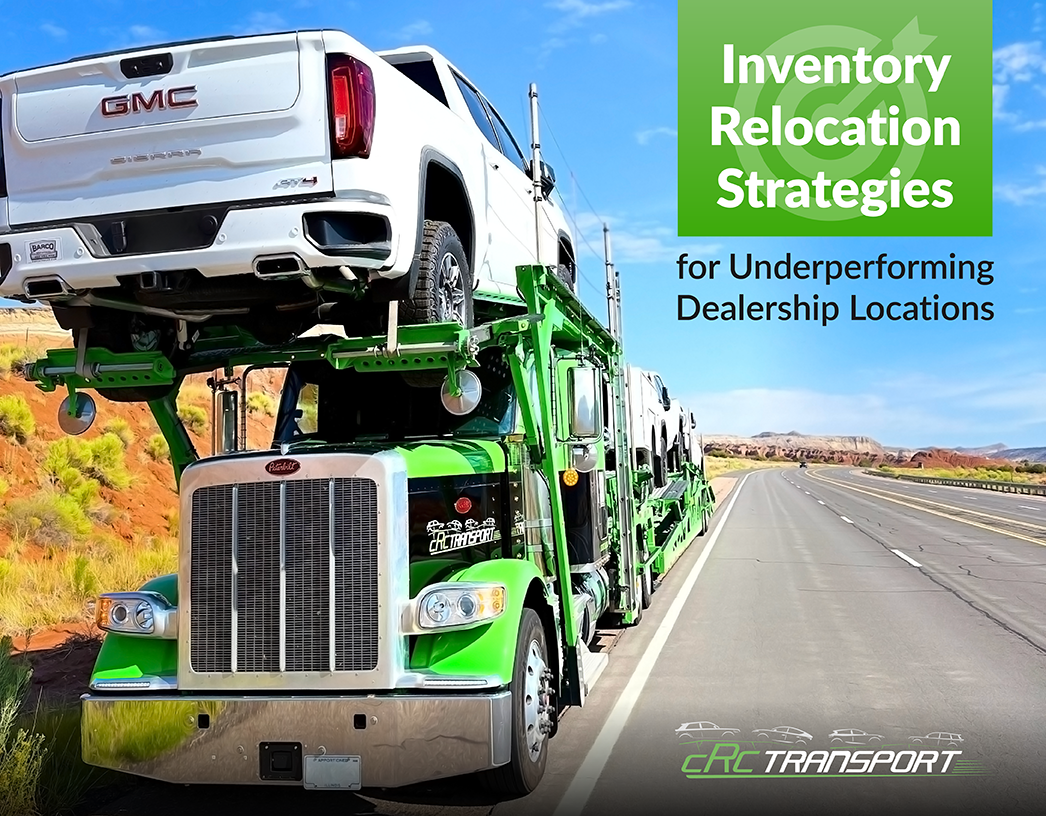
Inventory Relocation Strategies for Underperforming Dealership Locations
When a dealership location underperforms, unused inventory becomes a liability. Instead of letting vehicles sit idle, smart relocation strategies allow you to shift that inventory to stores with higher turnover rates.
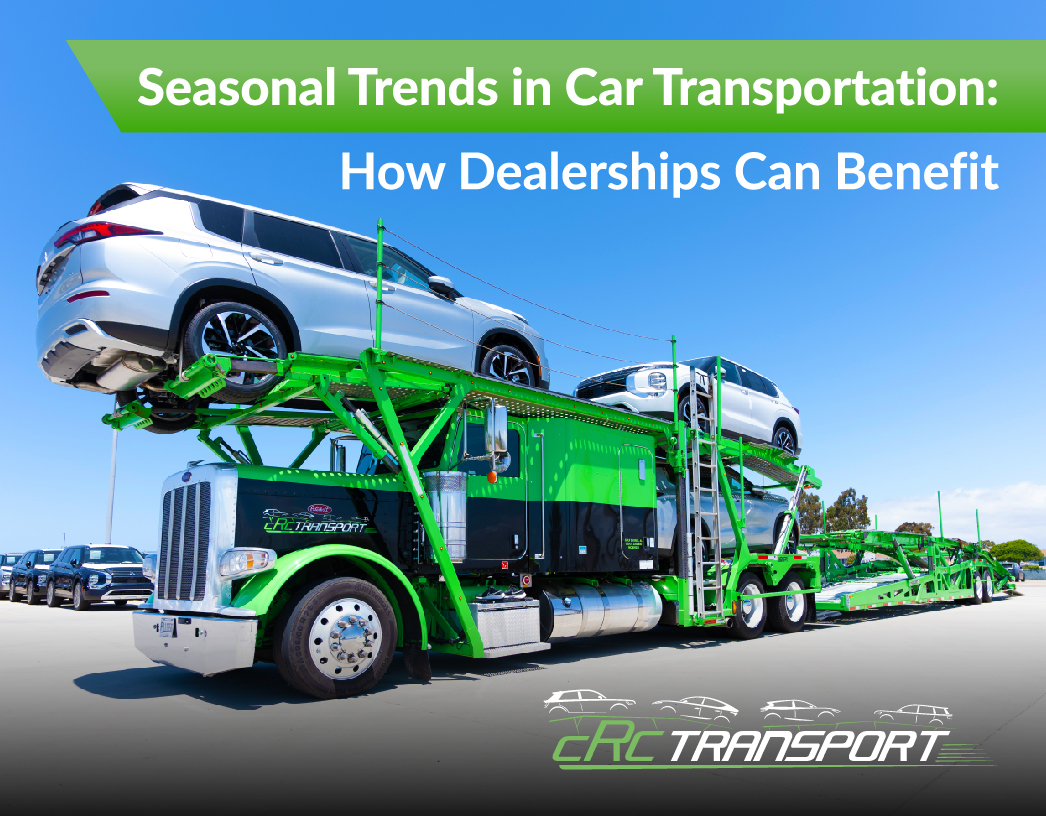
Seasonal Trends in Car Transportation: How Dealerships Can Benefit
In the automotive industry, timing can be everything – especially when it comes to vehicle shipping. For car dealerships that rely on efficient vehicle transportation to maintain inventory flow, understanding seasonal trends in auto transport can lead to better planning, lower costs, and improved customer satisfaction.
Leadership Lessons from the Road: What Logistics Teaches About Management
The best leadership lessons don’t come from boardrooms. They come from the highway — where decisions happen in real time, where communication gaps cost hours, and where trust is either earned or destroyed with every handoff. At CRC Transport, our drivers and dispatchers live these principles every day. And they translate directly to how businesses […]
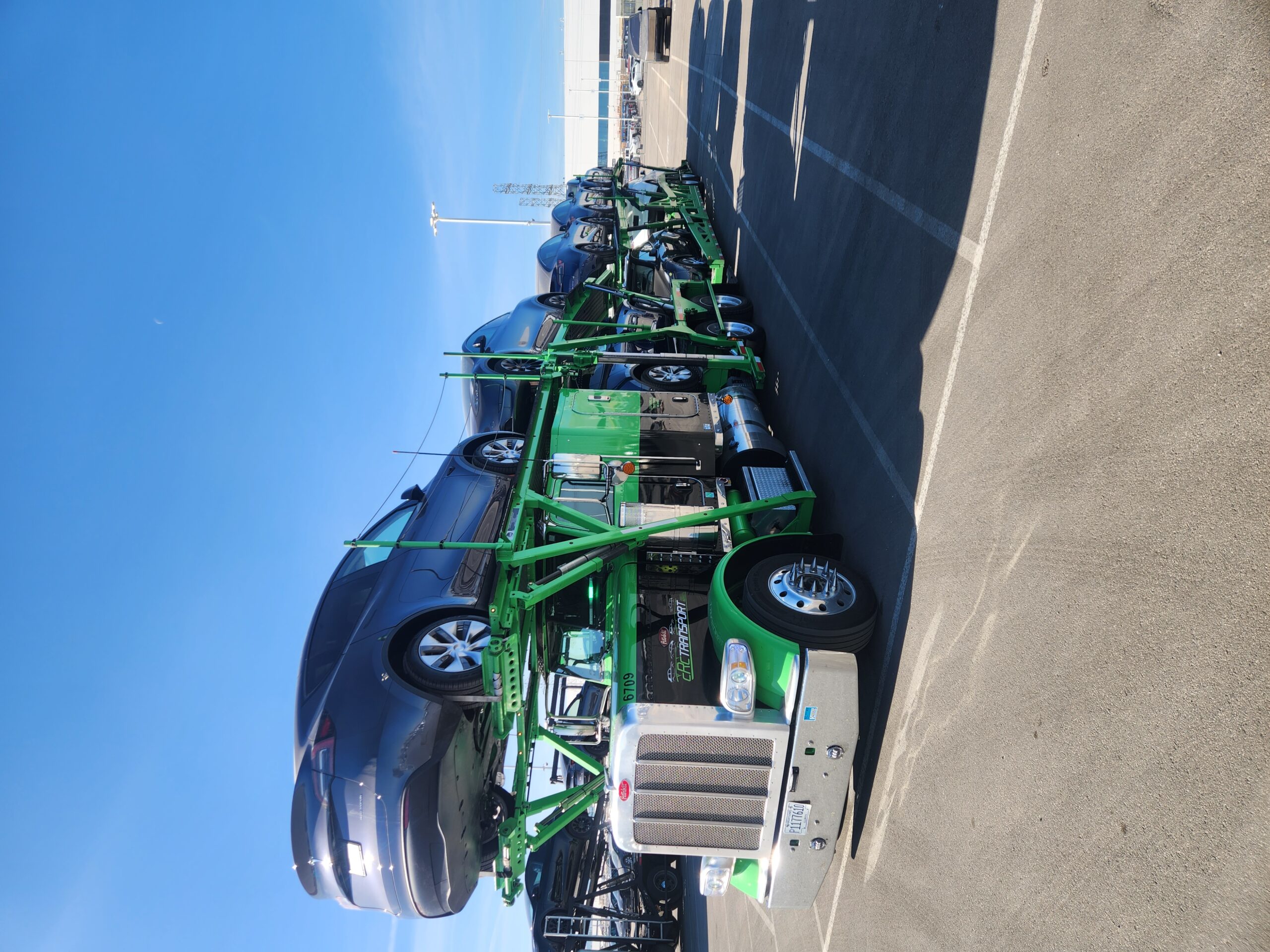
The Impact of Regional Regulations on Dealer Vehicle Transport
Regional regulations play a larger role in dealer vehicle transport than many operators initially realize.
