
Why OEMs Need Predictable Transport Partners to Stabilize Distribution in 2025
The Shifting Landscape of OEM Distribution in 2025
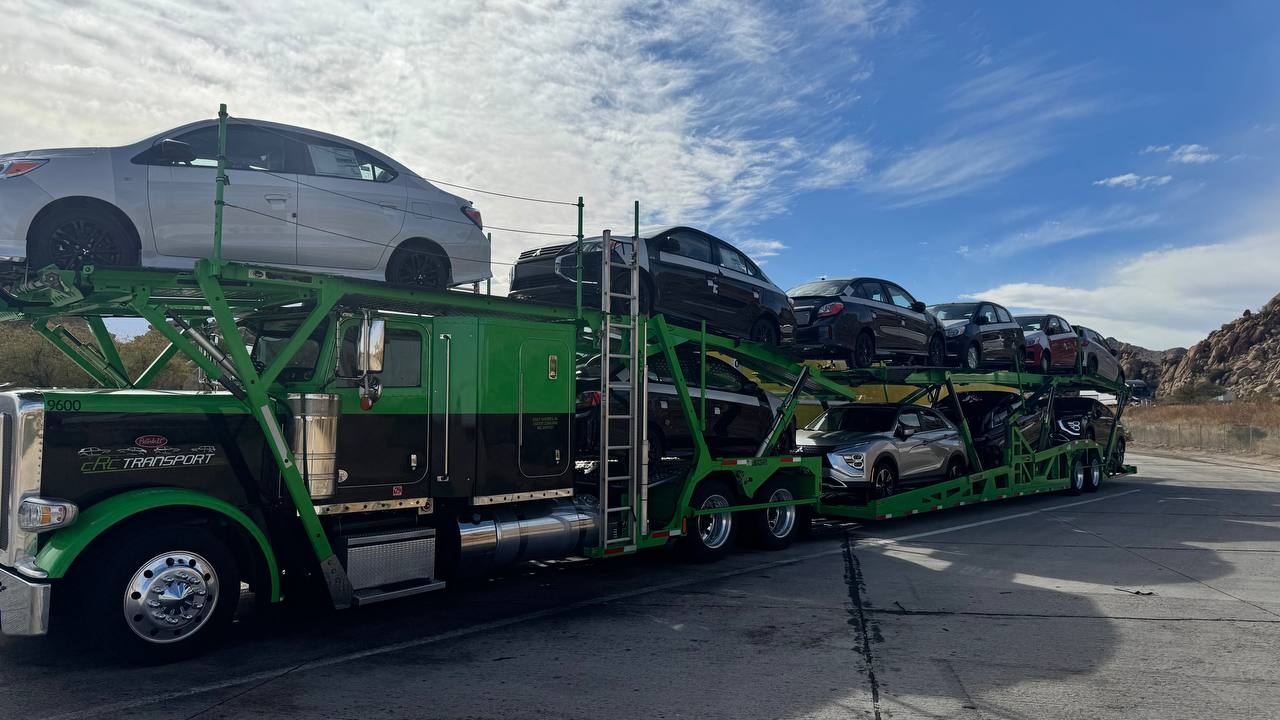
In 2025, OEMs face a more complex and dynamic distribution environment than ever before. Production fluctuations, evolving consumer demand, EV rollout schedules, and multi-state dealer networks place intense pressure on manufacturers to move vehicles efficiently. While factories and logistics centers are optimized for output, the final step – getting vehicles from plant or storage yard to dealerships – often becomes the bottleneck.
Predictability in automotive transport services is no longer a convenience. It is a critical component of OEM operational success. When transport schedules slip, the entire distribution chain is disrupted, creating a cascading effect that impacts dealers, regional managers, and ultimately end customers.
Why Predictability Is the Most Important KPI for OEM Transport
OEMs ship thousands of vehicles every month. One late truckload isn’t just a scheduling issue – it affects:
- dealer launch timelines
- stock allocation across regions
- production planning feedback loops
- warehouse congestion
- OEM-to-dealer trust and satisfaction metrics
Predictability ensures that distribution plans align with real-world execution. When a transport partner consistently meets pickup windows, delivers on schedule, and communicates proactively, OEMs can rely on accurate movement forecasts and avoid costly operational misalignment.
How Unpredictable Transport Disrupts OEM Distribution
When transport partners are inconsistent or overextended, OEMs experience measurable operational drawbacks:
- dealership lots receive delayed shipments
- priority vehicles miss marketing windows
- EV launches fall out of sync with regional readiness
- factory output is forced to adjust
- storage facilities become overcrowded
- incentive programs become misaligned with actual inventory availability
These issues reduce efficiency at scale and increase the total cost per delivered vehicle.
The Role of Open Carrier Transport in OEM Distribution
For most vehicle types, open carrier auto transport remains the most scalable and cost-effective method for OEM distribution. It accommodates large volumes, maintains consistent throughput, and supports multi-state dealer networks with predictable scheduling.
Advantages for OEMs include:
- higher load capacity
- faster dispatch on common routes
- easier coordination with regional distribution hubs
- optimized pricing for recurring high-volume movement
- strong availability across major OEM-to-dealer corridors
Open carriers offer the speed and consistency required for stable distribution without the limitations associated with more specialized transport types.
Why Predictive Scheduling Matters for Modern OEM Logistics
OEM logistics teams require more than “estimated” timelines. They need transport partners who provide precise, reliable, and structured pickup and delivery cycles. Predictive scheduling allows OEMs to:
- pre-plan dealer allocations
- manage rolling inventory
- coordinate marketing and promotions
- stabilize factory-to-dealership flow
Transport consistency directly reduces operational noise and supports smoother distribution planning across the entire network.
Real-Time Visibility and Communication Across the Distribution Chain
Transparent communication has become an essential requirement for OEMs. Poor visibility leads to avoidable delays, incorrect ETAs, and misalignment with dealer expectations.
A reliable transport partner provides:
- clear pickup confirmations
- live route updates
- precise delivery windows
- proactive notifications of delays
- consistent communication with OEM coordinators
This enhances the OEM’s ability to deliver accurate information downstream and maintain strong dealer relationships.
Supporting Regional Allocation and Balanced Inventory
OEMs must distribute vehicles across multiple markets, each with its own demand patterns, dealer performance metrics, and seasonal shifts. Predictable transport enables OEMs to:
- allocate inventory strategically
- rebalance stock between regions
- support high-performing stores with reliable replenishment
- minimize aging in slower markets
- reduce yard congestion in distribution centers
Stable logistics also help OEM field teams plan and forecast more accurately, ensuring every region has the inventory needed to meet sales targets.
Preventing Bottlenecks During High-Volume Periods
Model year transitions, incentive pushes, and new-vehicle launches place additional stress on OEM shipping schedules. Transport partners who rely on fluctuating capacity or ad hoc routing often struggle during high-demand cycles.
Predictable transport partners, on the other hand:
- pre-schedule volume
- dedicate carriers to OEM lanes
- maintain capacity even during spikes
- ensure consistent delivery flow
This avoids bottlenecks that could derail high-value launches or seasonal sales windows.
Why OEMs Are Increasingly Prioritizing Transport Reliability Over Cost
In 2025, reliability has become more valuable than minor cost savings. OEMs recognize that the financial consequences of unpredictable logistics – including manufacturing slowdowns, storage congestion, dealer dissatisfaction, and delayed launches – far outweigh the benefits of selecting the lowest-priced carrier.
A stable transport partner supports:
- lower total operational cost
- stronger dealer satisfaction
- predictable allocation flow
- fewer last-minute escalations
- improved SCM alignment
Cost predictability, operational consistency, and distribution stability now matter more than shaving a few dollars off per unit.
How CRC Transport Supports OEM Distribution Stability
CRC Transport enhances OEM distribution performance through:
- predictable open-carrier scheduling
- consistent pickup and delivery windows
- reliable capacity for recurring OEM shipments
- proactive communication throughout each movement
- optimized routing across high-density OEM corridors
- scalable logistics for multi-state distribution needs
With transparent ETAs, strong communication, and dependable open-carrier availability, OEMs can reduce distribution volatility and enhance operational predictability across the region.
The Bottom Line for OEMs in 2025
OEMs no longer compete solely on product quality. Distribution speed, predictability, and alignment with dealer expectations have become core differentiators. A strong transport partner stabilizes the entire chain, enabling smoother launches, better dealer experiences, and reduced operational friction.
Predictable transport ensures the right vehicles reach the right markets at the right time – every time.
Reliable Experts in Automotive Transportation
Have any questions or wish to Schedule a pickup today?
Related Posts
Integrating Auto Transport Scheduling into Dealership Inventory Planning
In today’s competitive automotive market, efficient inventory management is crucial for dealership success. One often overlooked aspect is the integration of auto transport scheduling into inventory planning.

Scaling Your Dealership with Multi-Location Vehicle Logistics
As modern dealerships expand their footprint across cities, states, and regions, vehicle logistics becomes one of the most critical – and complex – elements of operational success. Whether you’re managing two locations or ten, your ability to move inventory efficiently between them directly impacts sales velocity, overhead costs, and customer satisfaction.

ALSC Europe 2024
CRC Transport was thrilled to explore Europe and actively participate in this dynamic event.
How Dealerships Can Simplify Trade-In Logistics with the Right Transport Partner
Managing inventory flow doesn’t end when a car is sold. For dealerships, reverse auto transport is a crucial yet often overlooked part of the trade-in process. Whether you’re accepting vehicles from buyers out of state or reallocating trade-ins between locations, getting cars back to your lot quickly and securely requires a clear logistics strategy.
